wayground logo

Free Printable Worksheets

Font size

S
M
L
XL
Worksheets

Year 8 unit 1

Total questions: 50

Worksheet time: 39mins
Name
Class
Date
1.

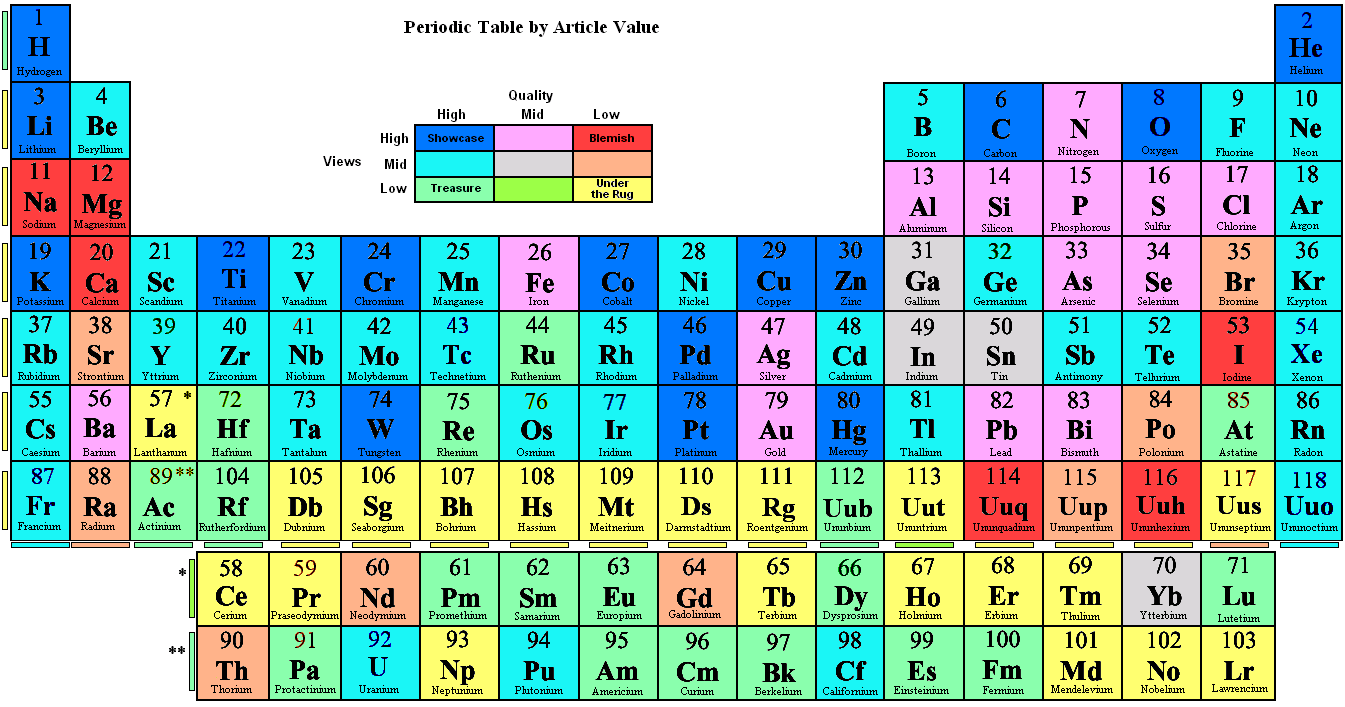
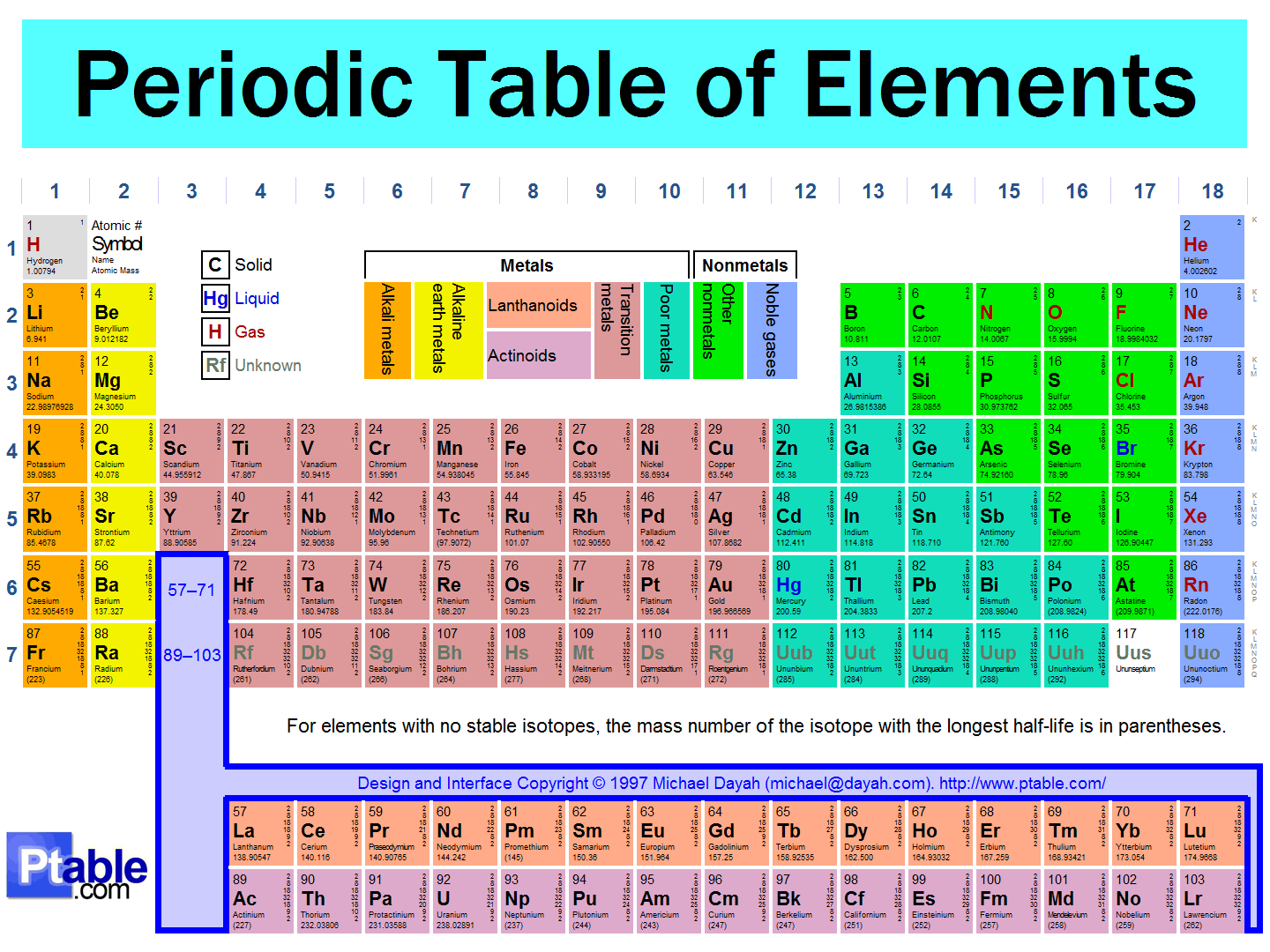
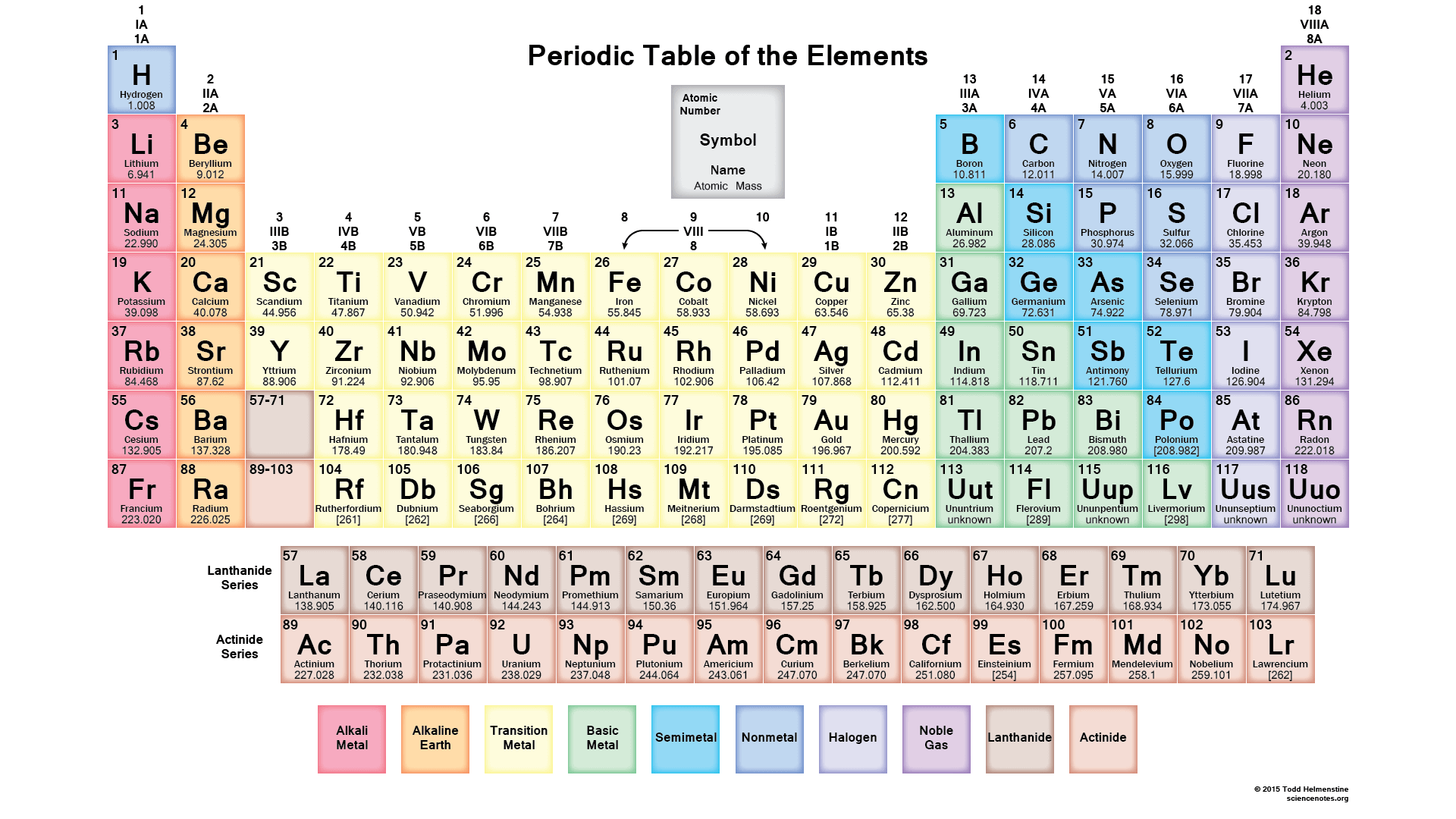
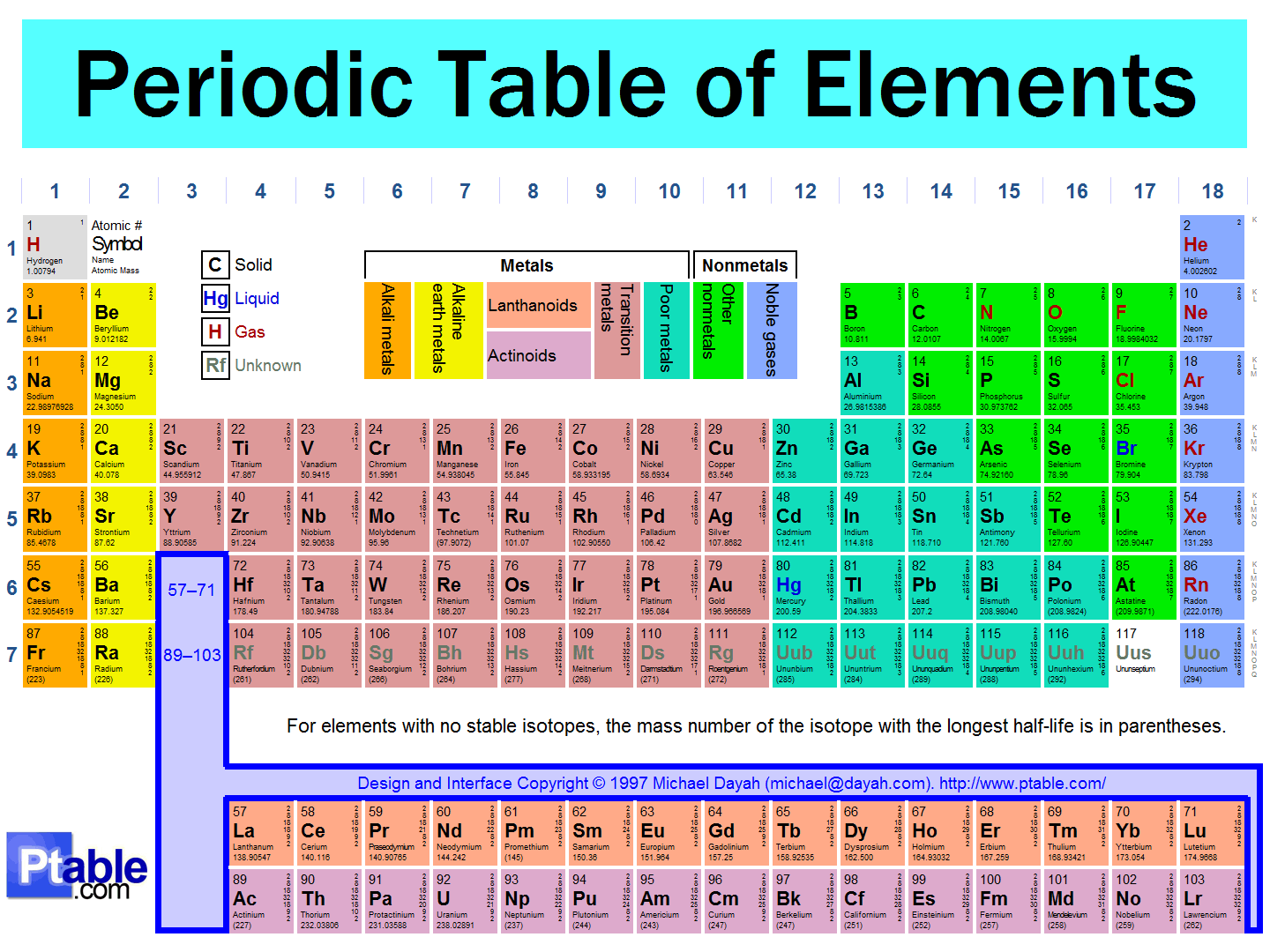
The vertical (up and down) columns in the Periodic Table are called

a)

groups

b)

towers

c)

periods

d)

atomic numbers

2.
Sodium (Na) is found in period 
a)
3
b)
2
c)
4
d)
1
3.

the positively charged subatomic particle contained in the nucleus of an atom

a)

proton

b)

neutron

c)

electron

d)

matter

4.

a negatively charged subatomic particle that orbits the nucleus of an atom

a)

proton

b)

neutron

c)

electron

d)

matter

5.

What does the atomic mass tell you?

a)

Basically,the number of electrons and protons

b)

The number of neutrons

c)

Basically, the number of protons and neutrons

d)

The number of protons.

6.
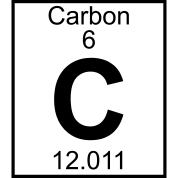
What does the 6 represent?
a)
atomic mass
b)
atomic number
c)
element name
d)
chemical symbol 
7.

The horizontal (side to side) rows in the Periodic Table are called

a)

groups

b)

families

c)

periods

d)

atomic numbers

8.

Elements which are shiny, conduct electricity and heat are called

a)

metal

b)

nonmetal

c)

metalloid

d)

nonexistent

9.
Sodium (Na) is found in group 
a)
1
b)
2
c)
3
d)
4
10.

Which group of the periodic table is composed of inert (not reactive) gases with 8 valence electrons?

a)

alkali metals

b)

alkaline earth metals

c)

halogens

d)

noble gases

11.

The atoms on the right of the staircase are called

a)

metalloids

b)

non-metals

c)

metals

d)

noble gases

12.
Each column in the periodic table is called a 
a)
period
b)
group
c)
cluster
d)
unit
13.
Which is a halogen?
a)
Helium
b)
Chlorine
c)
Oxygen
d)
Neptune
14.
Which is an alkali metal?
a)
Magnesium
b)
Iron
c)
Sodium
d)
Europium
15.
A neutron has a charge of
a)
+2
b)
No charge
c)
-1
d)
+1
16.

Who invented the Periodic Table?

a)

Mendeleev

b)

Bohr

c)

Lewis

d)

Democritus

17.

Mendeleev's genius was his ability to

a)

predict elements that were not discovered yet

b)

organize elements by their mass

c)

had an element named after himself

d)

organize elements by properties

18.
What is the symbol for Potassium?
a)
P
b)
K
c)
Pb
d)
Pd
19.
What is the symbol for Carbon?
a)
C
b)
Ca
c)
Cl
d)
H
20.
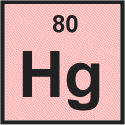
What is the name of this element?
a)
Helium
b)
Rubidium
c)
Hydrogen
d)
Mercury
21.
Which one of these is not a noble gas?
a)
Helium
b)
Radon
c)
Iodine
d)
Krypton
22.
Which one of these is the symbol for lead?
a)
Rb
b)
Pb
c)
Li
d)
Au
23.
Which one of these elements is found in electrical cord?
a)
Cu
b)
H
c)
Kr
d)
Br
24.
What will cause an object to move?
a)
Applied forces
b)
Balanced forces
c)
Unbalanced forces
25.

What is the unit to MEASURE force?

a)

Kilogram

b)

Meter

c)

Pounds

d)

Newton

26.

Which example would be a balanced force?

a)

Train moving at a constant speed in the same direction.

b)

A skier going down a hill.

c)

A basketball being passed to a teammate.

d)

An apple falling to the floor.

27.
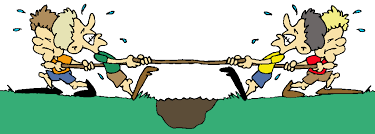
If these teams are pulling with the same amount of force what will happen?
a)
The boy in blue will win.
b)
They will not move at all.
c)
The boy in red will win.
d)
Both will fall down.
28.

What force ultimately slows the roller coaster to a stop?

a)

Applied

b)

Normal

c)

Friction

d)

Gravitational

29.
What force holds the planets in motion around the sun?
a)
Magnetic
b)
Electrical
c)
Gravitational
d)
Air Resistance
30.
Friction is a force that acts in an ___________ direction of movement.
a)
similar
b)
opposite
c)
parallel
d)
west
31.
A type of friction that occurs when air pushes against a moving object causing it to decelerate.
a)
surface area
b)
air resistance
c)
velocity
d)
gravity 
32.

The upward force acting on the parachute is called ______________.

a)

Force of friction

b)

Force of gravity

c)

Normal force

d)

Air resistance

33.

The upward force acting on the gymnast by the rope is called __________________.

a)

Force of tension

b)

Force of gravity

c)

Normal Force

d)

Force of friction

34.

In a meadow ecosystem, a population of rabbits increases. What populations are most likely to increase as a result?

a)

foxes, hawks, and other predators of the rabbits

b)

leafy plants that rabbits eat

c)

rabbits that live elsewhere

d)

worms that live in the meadow soil

35.

In any community, which group includes the largest number of animals?

a)

herbivores

b)

prey

c)

predators

d)

consumers

36.

An organism that makes its own food is a/an

a)

producer.

b)

consumer.

c)

predator.

d)

prey.

37.

Two or more overlapping food chains form a/an

a)

food chain

b)

food web

c)

community

d)

population

38.

To avoid being eaten, a rabbit will run away from

a)

carnivores.

b)

scavengers.

c)

herbivores.

d)

producers.

39.

Without the Sun, which of Earth's organisms could no longer survive?

a)

producers only

b)

producers and consumers

c)

scavengers only

d)

nearly all organisms

40.

In a diagram of a food web, the arrows show the flow of

a)

soil

b)

sunlight

c)

oxygen

d)

energy

41.
Plants in the desert are able to store__________ in their roots, stems and leaves.
a)
evaporation
b)
nocturnal
c)
water
d)
driest
42.
The name of a tree found in the deciduous biome.
a)
camouflage
b)
maple
c)
coniferous
d)
cactus
43.
A place where an organism lives.
a)
Terrain
b)
Habitat
c)
Community
d)
Population
44.
Which of these organisms is a producer?
a)
strawberries
b)
insect
c)
mouse
d)
owl
45.
The parts of the food chain in the picture are out of order.  Which picture should be second in the food chain shown?
a)
snake
b)
sun
c)
carrot
d)
rabbit
46.
The parts of the food chain in the picture are out of order.  Which picture should be third in the food chain shown?
a)
snake
b)
sun
c)
carrot
d)
rabbit
47.
Which organism do the owl and the weasel compete for in the food web?
a)
Hawk
b)
Spider
c)
Grasshopper
d)
Shrew
48.
A frog eats a fly. The frog and fly are demonstrating ________.
a)
mutualism
b)
competition
c)
predator/prey
d)
parasitism
49.
An animal that is hunted for food.
a)
predator
b)
prey
c)
consumer
d)
decomposer
50.
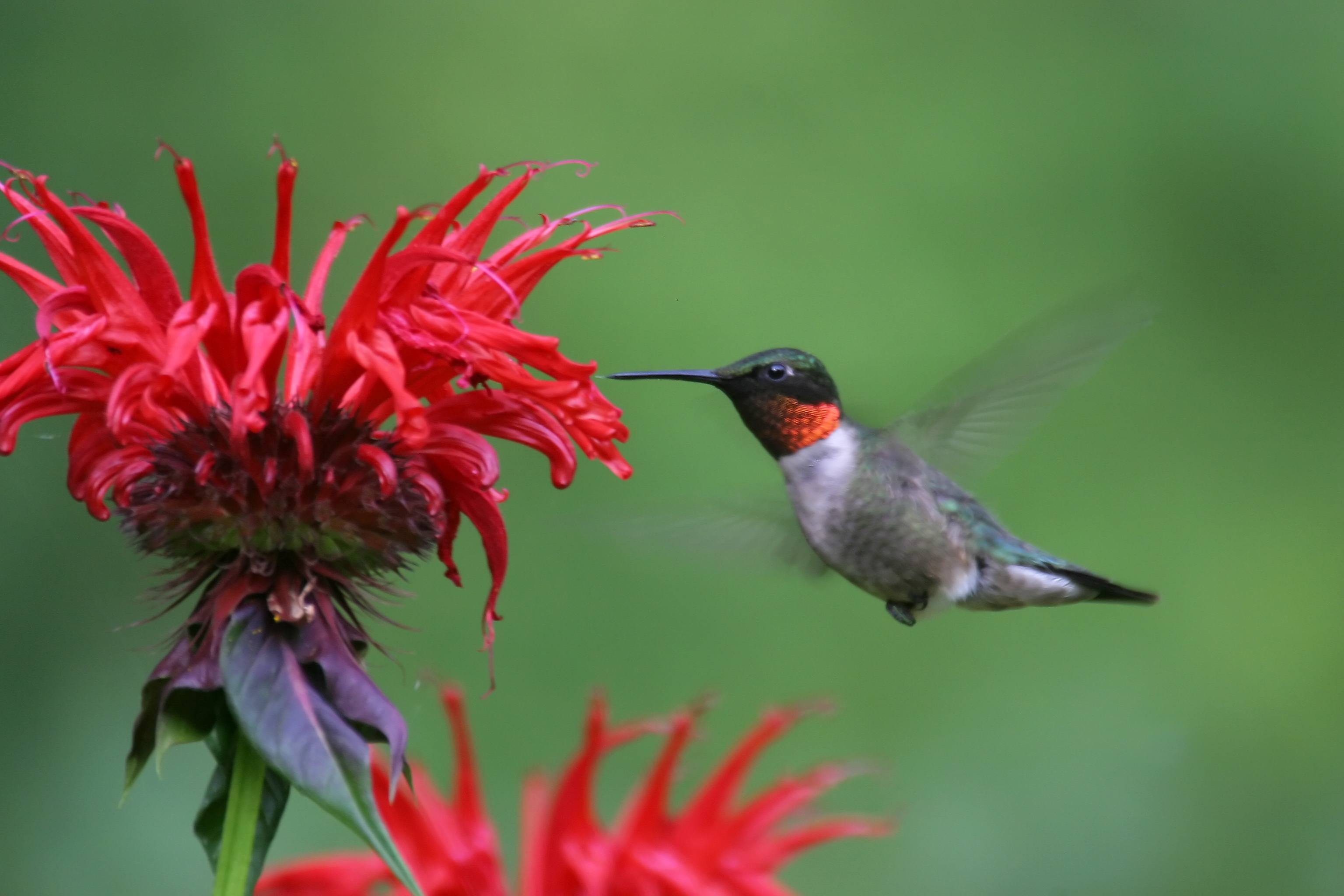
What type of symbiosis?  Hummingbirds feed on nectar from flowers.  The flowers are pollinated by hummingbirds as they move from flower to flower.
a)
commensalism
b)
mutualism
c)
parasitism
d)
predation