
 Worksheets
Biomolecules
Total questions: 37
Worksheet time: 19mins
What is a biomolecule?
The dissolved particle in a solution
One of the by-products of respiration
Large molecule that is present in living organisms
None of the above
Which of the following are biomolecules?
RNA, DNA, proteins, lipids
Proteins, lipids, carbohydrates, polymers
Nucleic acid, lipids, carbohydrates, monomers
Proteins, lipids, carbohydrates, nucleic acids

The function of the nucleic acid is --
to store and transmit genetic information inherited from your parents
to maintain our body temperature
to build up muscles bones and other body parts
to regulate sugar in your blood and give your cells energy

What are lipids?
Polymers made of amino acids
Monomers that store and transfer genetic information
Fatty acids not generally soluble in water
Complex carbohydrates like starch

Which of the following is a characteristic of protein?
Made up of amino acids and regulate cellular processes
Fats, oils, and waxes
Complex carbohydrates known as starches
DNA and RNA

Which biomolecule makes up cell membranes?
Protein
Carbohydrate
Lipid
Nucleic acid
Which biomolecule is helpful for long term energy storage?
Nucleic acid
Protein
Carbohydrate
Lipid

Which biomolecule is useful for a fast source of energy?
Lipid
Nucleic acid
Protein
Carbohydrate
Which biomolecule is important for insulation?
Lipid
Proteins
Carbohydrates
Nucleic acid
What is the monomer for proteins?
Amino acid
Nucleotide
Fatty acid
Monosaccharide
Which monomer makes up nucleic acids?
Amino acid
Nucleotide
Fatty acid
Monosaccharide
What is the monomer for carbohydrates?
Amino acid
Nucleotide
Fatty acid
Monosaccharide
Which monomer makes up lipids?
Amino acid
Nucleotide
Fatty acid
Monosaccharide
Which two biomolecules are made up only of carbon, hydrogen, and oxygen?
Protein and Nucleic Acid
Protein and Lipid
Carbohydrate and Lipid
Carbohydrate and Nucleic Acid
Carbon, hydrogen, oxygen, nitrogen, and phosphorous make up which biomolecule?
Protein
Carbohydrates
Lipids
Nucleic acid
Which contains carbon, hydrogen, oxygen and has a ring-like structure?
Nucleic acid
Carbohydrates
Proteins
Lipids
Which biomolecule contains carbon, hydrogen, oxygen, and nitrogen?
Carbohydrate
Lipid
Protein
Nucleic acid
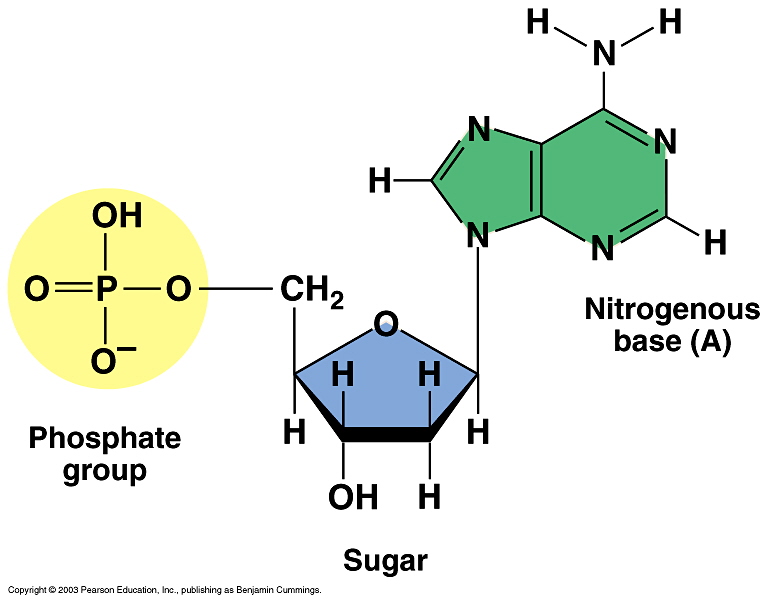
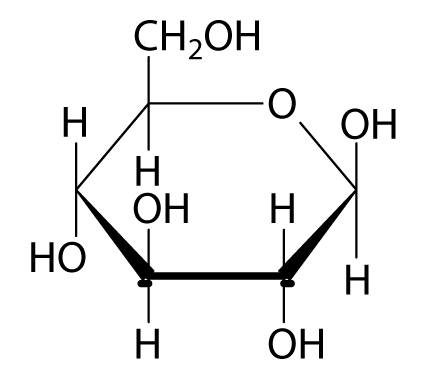
Match the protein with the correct picture.


Match the disaccharide (carbohydrate) with the appropriate picture.


Identify the lipid:


Equations
(A) glucose + glucose --> maltose + water
(B) amino acid + amino acid --> dipeptide + water
Which statement about processes A and B is correct?

