wayground logo

Free Printable Worksheets

Font size

S
M
L
XL
Worksheets

Carbon Cycle: Effects to the Earth's Spheres

Total questions: 31

Worksheet time: 23mins

Name
Class
Date
1.

What does NOT produce carbon dioxide?

a)

Photosynthesis

b)

Burning Fossil Fuels

c)

Animal respiration

d)

Plants decaying

2.
Organisms that do not decompose can be buried and become what?
a)
water
b)
nutrients
c)
air
d)
fossil fuels
3.
Carbon can be found in...
a)
The atmosphere
b)
Soil
c)
Fossil fuels
d)
All of the above
4.
Which of the following removes carbon from the atmosphere?
a)
Combustion
b)
Respiration
c)
Photosynthesis
d)
Death
5.

Cellular respiration is the process by which organisms take in _____ and release _____.

a)

photosynthesis, air

b)

carbon, oxygen

c)

oxygen

d)

oxygen, carbon dioxide

6.
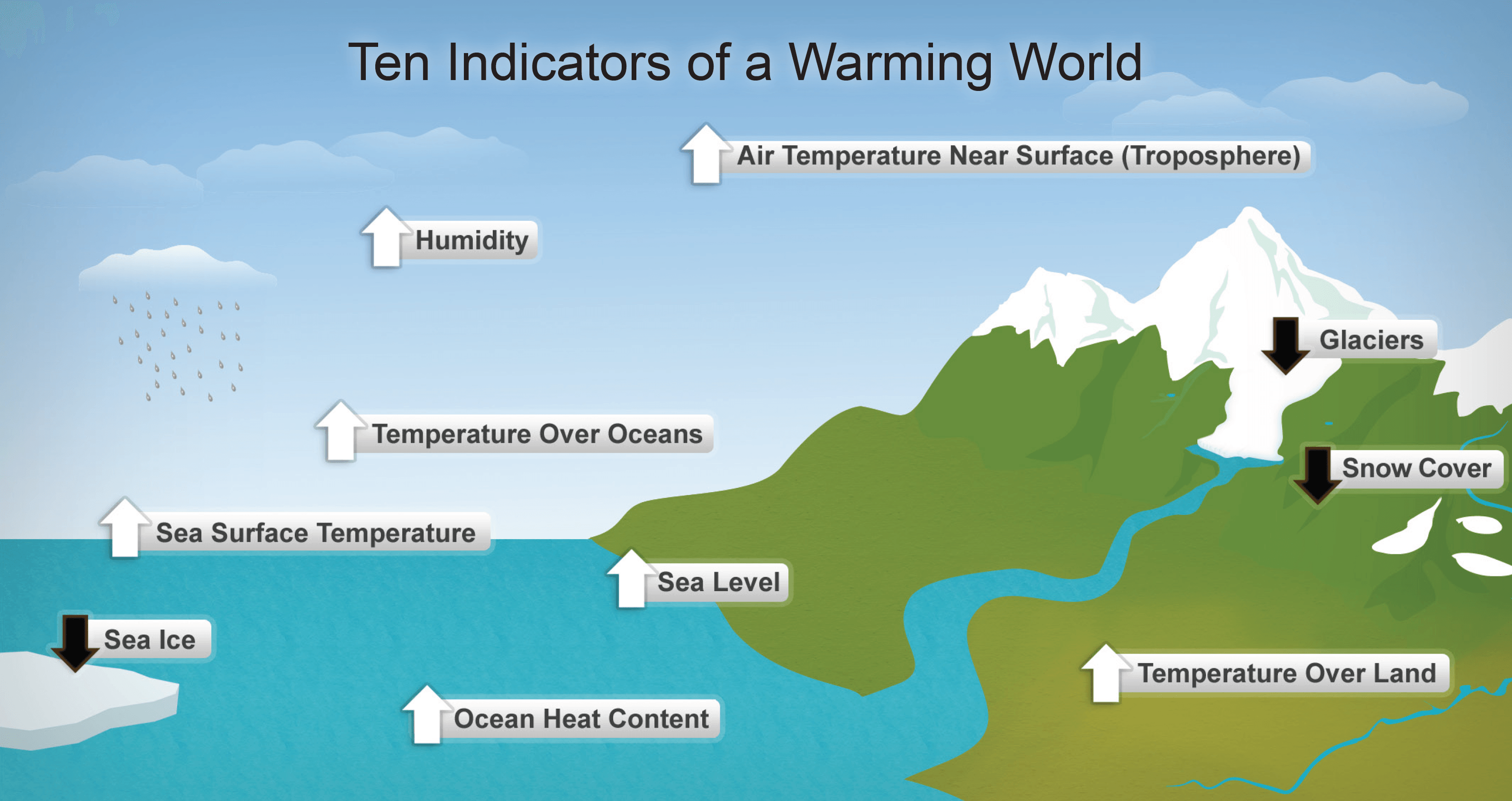
The average temperature of the surface of Earth has increased approximately 1°C in the past century. Which reason best explains this increase in temperature?
a)
lower levels of ozone in the atmosphere
b)
lower levels of nitrogen in the atmosphere
c)
higher levels of carbon dioxide and other greenhouse gases in the atmosphere
d)
higher levels of oxygen in the atmosphere
7.
The rock, dust, soil, and minerals of the Earth's solid crust and outer mantle make up the ____
a)
Biosphere
b)
Geosphere
c)
Cryosphere
d)
Atmosphere
8.
The Four Spheres of Earth
a)
are all connected
b)
have nothing to do with one another
c)
exist on Venus and Mars
d)
don't affect human life
9.
All living things on earth are part of the....
a)
Biosphere
b)
Lithosphere
c)
Hydrosphere
d)
Atmosphere
10.
Oceans, rain, and glaciers belong to this sphere.
a)
Atmosphere
b)
Biosphere 
c)
Lithosphere
d)
Hydrosphere
11.
Body of air surrounding our planet. 
a)
Hydrosphere 
b)
Biosphere 
c)
Atmosphere 
d)
Geosphere 
12.
The main human activity that releases greenhouse gases is
a)
using bottled water
b)
burning fossil fuels
c)
texting on cellphones
d)
eating meat
13.
The greenhouse gas having the greatest role in human-caused global warming is
a)
methane
b)
carbon dioxide
c)
CFCs (chlorofluorocarbons)
d)
ozone
14.

The effects of people and their actions on the biosphere is called

a)

human impact

b)

biome

c)

environmental change

15.

The circulation of the element Carbon among Earth's atmosphere, land, oceans, and organisms is called _____________.

a)

the Carbon Cycle

b)

the Oxygen Cycle

c)

the Carbon dioxide Cycle

d)

the Water Cycle

16.

The total amount of the carbon on Earth is constant.

a)

True

b)

False

17.

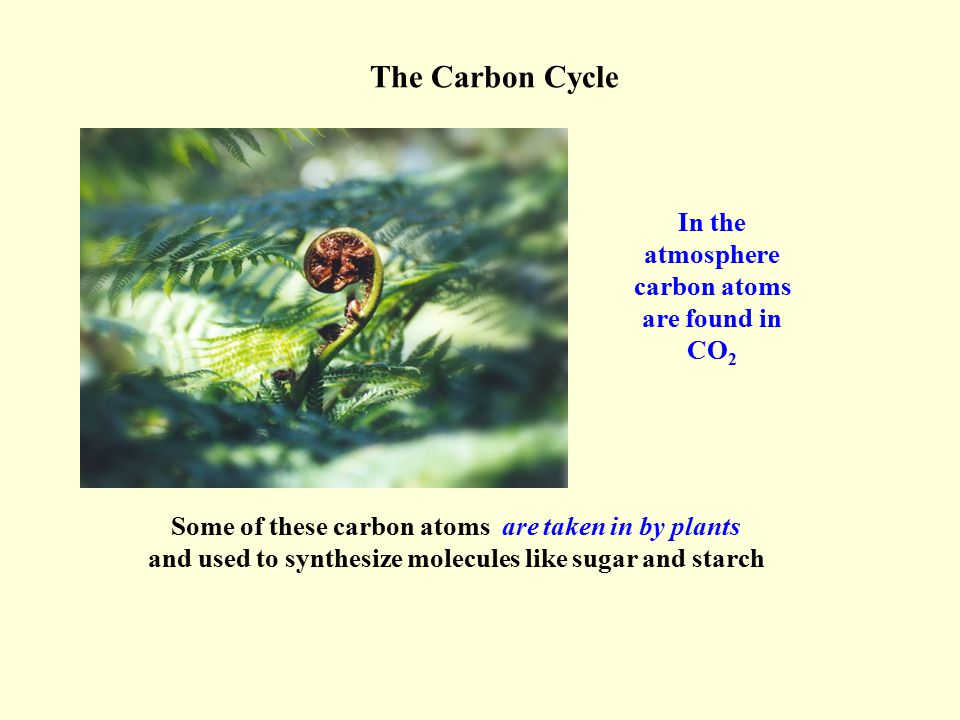
Carbon is used in the process called __________ by plants and algae to make food and the building blocks for growth.

a)

carbon cycle

b)

life

c)

photosynthesis

d)

decomposition

18.

Bacterias that decompose dead plants release _____________ back into the atmosphere.

a)

water

b)

nitrogen

c)

oxygen

d)

carbon

19.

Ocean coral and oysters use carbon to create _________.

a)

oxygen

b)

shells

c)

leaves

d)

food

20.

Limestone is a type of rock created from the ______________ of dead sea organisms.

a)

waste

b)

slime

c)

shells

d)

unknown

21.

Since the mid- 1800's, _____________ activity has significantly altered the carbon cycle.

a)

animal

b)

plant

c)

unknown

d)

human

22.
When humans burn fossil fuels, most of the carbon quickly enters the                       as carbon dioxide.
a)
Water
b)
Atmosphere
c)
Sun
d)
Air
23.
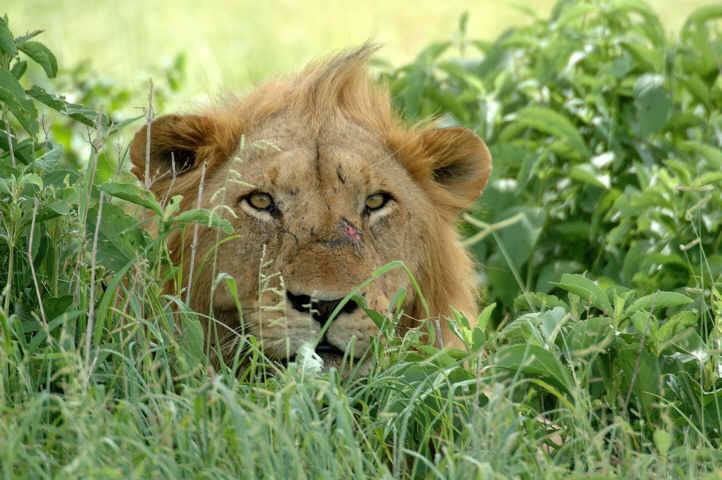
How does the carbon in grass become part of a lion?
a)
The lion eats the grass
b)
Carbon from grass doesn't end up in a lion. 
c)
The carbon ends up in the lion's food chain. 
d)
The lion breathes in carbon given out by the plant
24.

Carbon can be found in...?

a)

The atmosphere

b)

Inside of the Earth

c)

Fossil fuels

d)

All of the above!

25.

Which of the following have been linked to climate change?

a)

droughts

b)

flooding

c)

melting of polar ice caps

d)

all of the above

26.
During photosynthesis, carbon is moved from which reservoir to which reservoir?
a)
From the atmosphere to the terrestrial biosphere.
b)
From the troposphere to the terrestrial biosphere.
c)
From the lithosphere to the terrestrial biosphere.
d)
From the hydrosphere to the terrestrial biosphere
27.
Which one of these does not add CO2 to the atmosphere?
a)
cooking with gas
b)
planting trees
c)
burning wood
d)
riding in a bus
28.
In the carbon cycle, producers take in the gas __
a)
carbon dioxide
b)
oxygen
c)
nitrogen
d)
carbon monoxide
29.

A fossil fuel is a natural fuel formed in the geological past from remains of living organisms.

a)

True

b)

False

30.

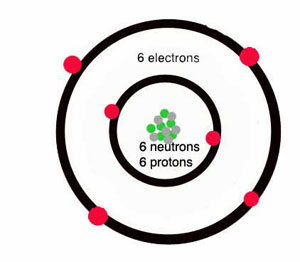
_____________ is an essential element of all living creatures.

a)

Gold

b)

Carbon

c)

Carbon dioxide

d)

Silver

31.

Describe in not less than 5 sentences or illustrate through chemical equations the roles of the biological processes called photosynthesis and cellular respiration in the carbon cycle. ( 5 points)

4 lines