
 Worksheets
CELL IT!
Total questions: 25
Worksheet time: 34mins

The 3 parts of the Cell Theory are...?
All living things are composed of cells
Cells are the basic units of structure and function in living things
All cells are produced from other cells
All living things are composed of cells
Cells are the basic units of dance and vibes in living things
All cells are destroyed from other aliens
All living things are composed of Jell-O
Cells are the basic units of structure and function in living things
All cells are produced from factories in Canada
All living things are composed of cells
Cells do karate and practice eating whole pies in their free time
All cells are produced from other cells
What is the purpose of the nucleus?
It is the command center, contains DNA, and cell division
It protects the cell
It stores energy for the cell
It gets rid of waste in the cell
What is the jelly-like substance that keeps the organelles floating?
Cell Membrane
Nucleus
ER
Cytoplasm

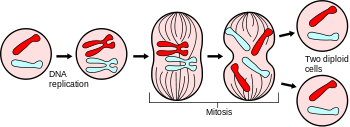
When cells are damaged, new cells are created by cell a process called cell division. How does the cell theory support this fact?
It states that all cells have a nucleus which divides.
It states that all living things are made up of one or more cells.
It states that cells come from previously existing cells.
It states that the basic units of structure and function are cells.
The ___ is the basic unit of structure and function of organisms
atom
cell
matter
all other answers are correct

Robert Hooke
Matthias Schleiden
The cell membrane...
is like a wall that blocks everything from going into the cell
controls what can go into or out of a cell
is hard and rigid, and gives the cell its shape, like an exoskeleton
Which part of the cell CONTROLS everything that happens in the cell?
mitochondria
nucleus
cell membrane
vacuole
Chloroplasts...
are where plant cells do photosynthesis and make food
are where plant cells produce energy
are where both plant and animal cells make food (photosynthesis)
Which thing is NOT made of cells?
A dog
A carrot
A piece of candy
A piece of wood from a tree
What instrument do you need to use to see cells?
A microscope
A telescope
A periscope
In order to be considered a living thing, that thing must
grow and develop
take in food and excrete waste
reproduce
all of the above
What do cells do?
Be adorable
Sustain life
Make phone calls
Create buildings.
Which of the following is the largest single cell?
Yolk of an ostrich egg
Yolk of a chicken egg
Yolk of an egg of the snake
Yolk of the quail egg
bacteria
unicellular
multicellular
neither

Who was the first person to view living cells using a simple microscope?
Virchow
Leeuwenhoek
Hooke
Schwann

