
 Worksheets
Electromagnets & Energy
Total questions: 27
Worksheet time: 54mins
Name
Class
Date
1.
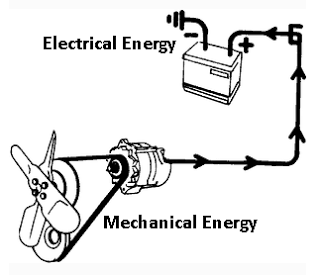
What is the transfer of electricity in a motor?
a)
chemical to mechanical
b)
electrical to mechanical
c)
mechanical to electrical
d)
physical to potential
2.
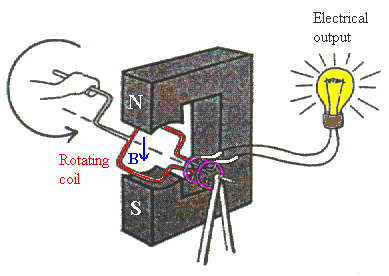
What is the transfer of electricity in a generator?
a)
Mechanical to Electrical
b)
Physical to Potential
c)
Electrical to Mechanical
d)
Yogurt to Light
3.
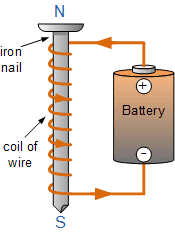
What can you use to make an electromagnet?
a)
Battery, nail and string
b)
Battery, pencil and wire
c)
Wire, battery and iron ore (nail)
d)
Peanut butter, lampshade, hand sanitizer
4.
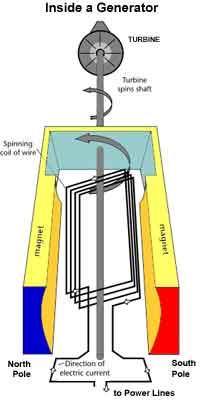
In large generators in power plants, ___________ rotate inside a coil of wire to produce an electric current.
a)
Wind
b)
Water
c)
Magnets
d)
Circuits
5.
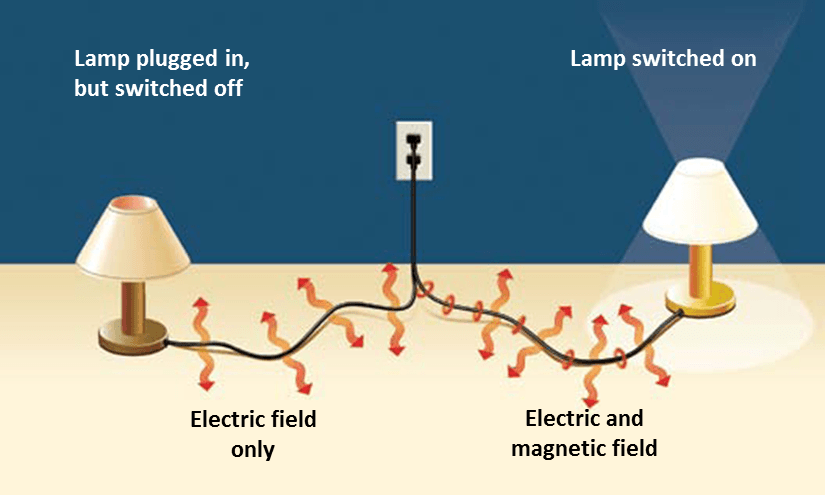
Electric fields are often associated with what other kind of field?
a)
Magnetic Fields
b)
Nuclear Fields
c)
Particle Fields
d)
Corn Fields
6.
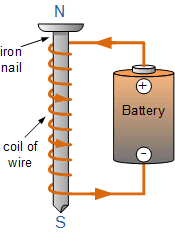
What device is made of coils of wire with an electrical current passing through it in order to generate a magnetic field?
a)
Electromagnet
b)
Generator
c)
Electron Magnet
d)
Motor
7.
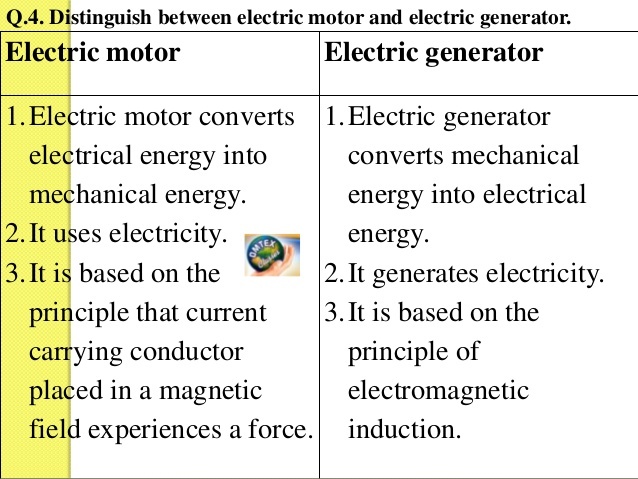
What two forces are required for generators and electric motors to work?
a)
magnetism and thermal
b)
electricity and thermal
c)
electricity and magnetism
d)
magnetism and radiant
8.
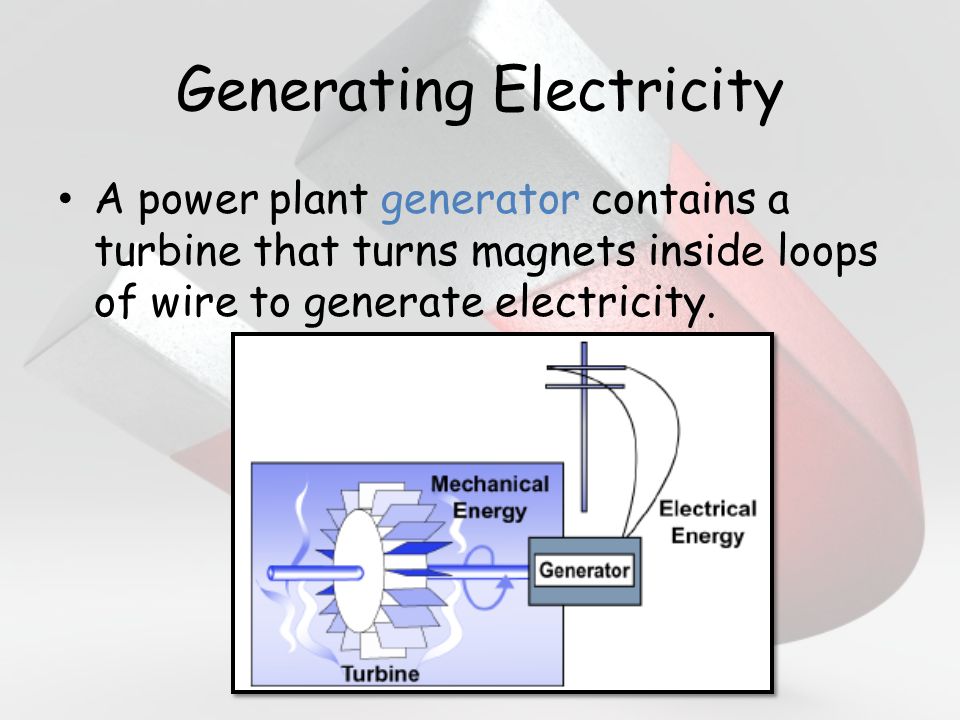
What is the fan that turns the magnet inside a generator called?
a)
electromagnet
b)
turbine
c)
solar panel
d)
pinstock
9.
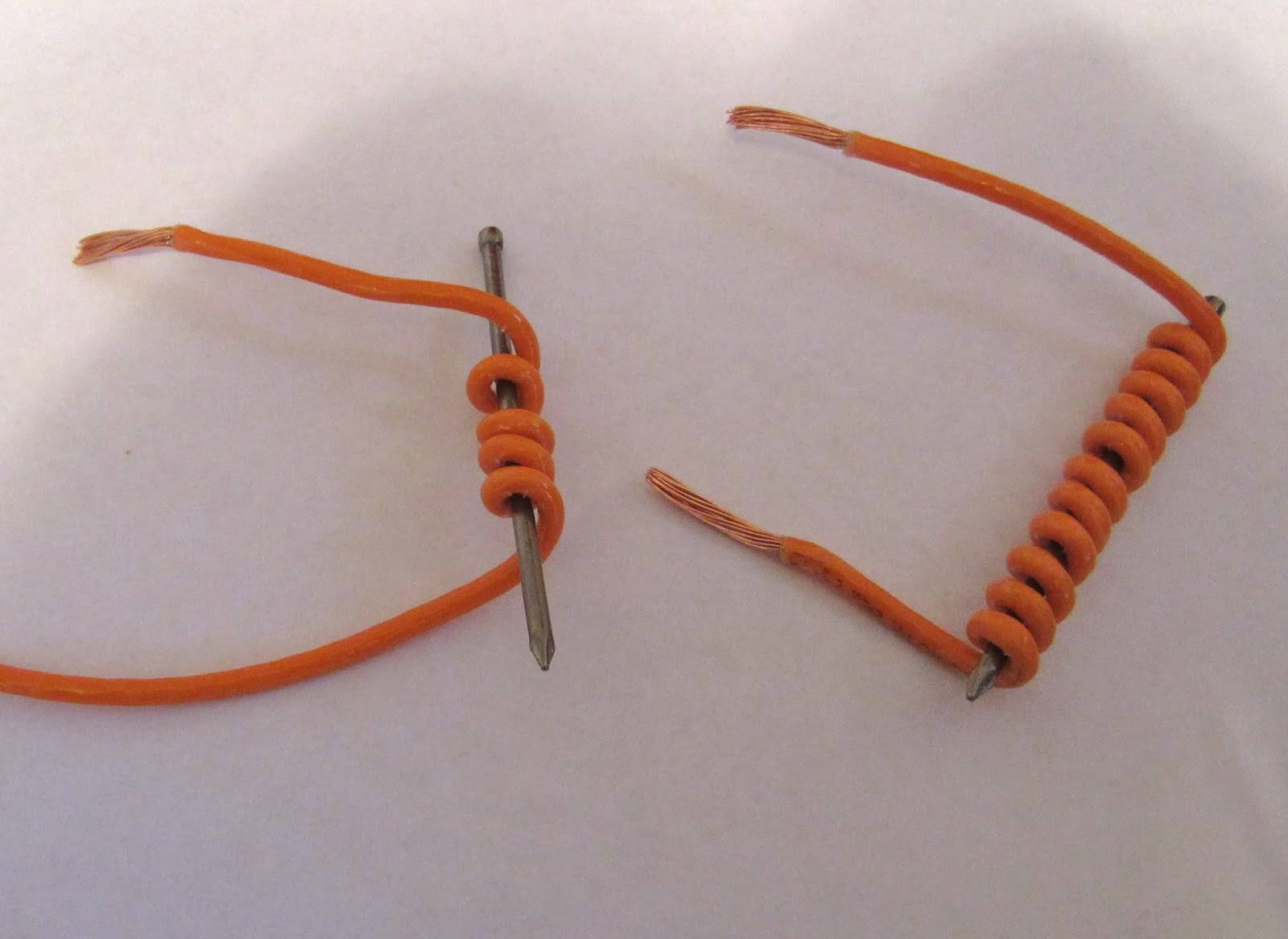
What happens to the strength of an electromagnet as you add more coils around it?
a)
Increases
b)
Decreases
c)
Stays the same
d)
Stops completely
10.
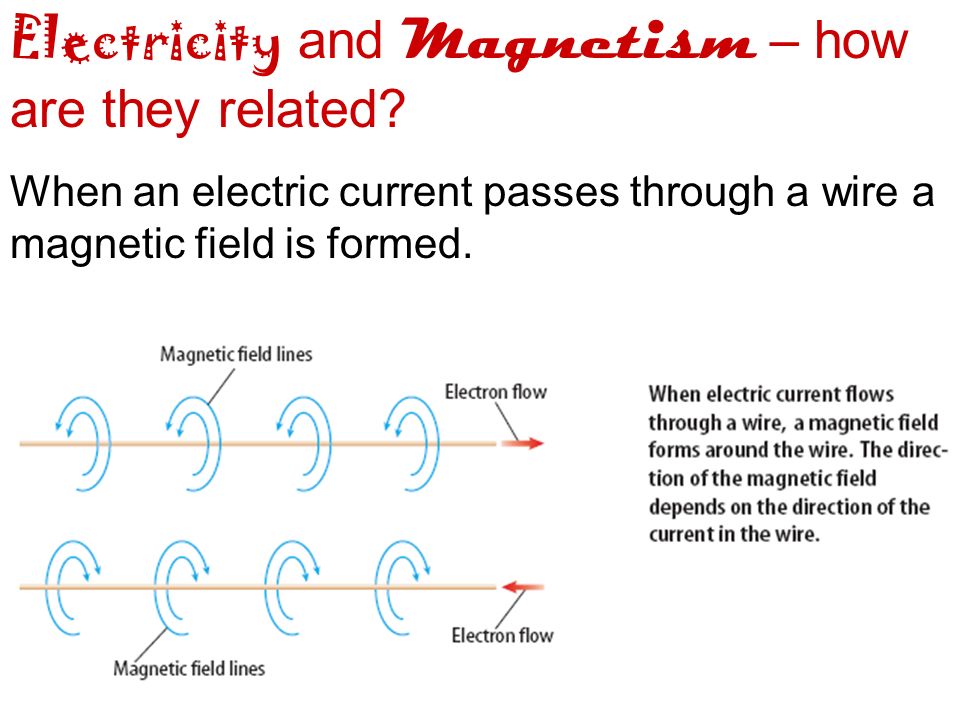
While electric current is flowing through a wire, what surrounds the wire?
a)
a magnetic field
b)
a glowing light
c)
neutrons
d)
protons
11.
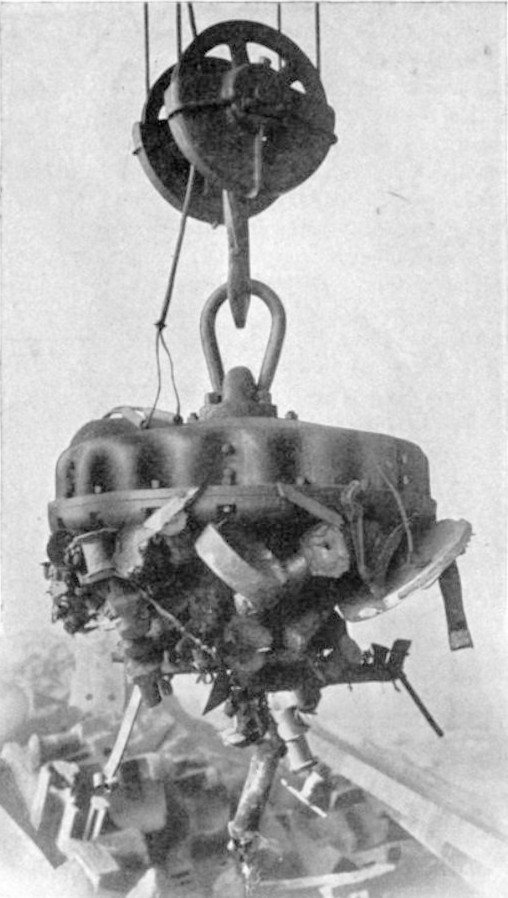
How are electromagnets different from magnets?
a)
magnets can be turned on/off
b)
you can turn an electromagnet on/off
c)
magnets are more powerful
d)
magnets have a North and South pole
12.
Stored energy.
a)
Potential Energy
b)
Kinetic Energy
13.
The energy of motion.
a)
Potential Energy
b)
Kinetic Energy
14.
Kinetic energy is related to
a)
position or height of an object
b)
speed of an object
15.
Potential energy is related to
a)
position or height of an object
b)
speed of an object
16.

a)
Potential Energy
b)
Kinetic Energy
17.

a)
Potential Energy
b)
Kinetic Energy
18.

a)
Potential Energy
b)
Kinetic Energy
19.

a)
Potential Energy
b)
Kinetic Energy
20.
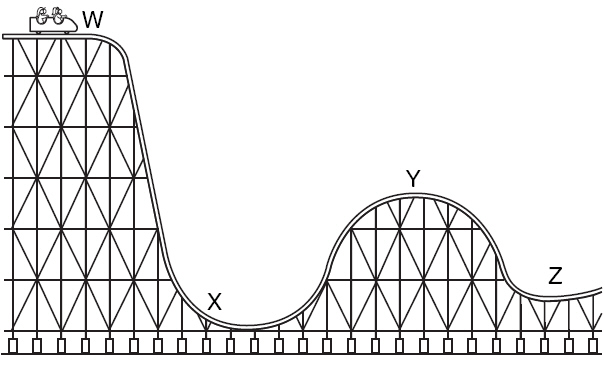
At which point is potential energy greatest?
a)
W
b)
X
c)
Y
d)
Z
21.
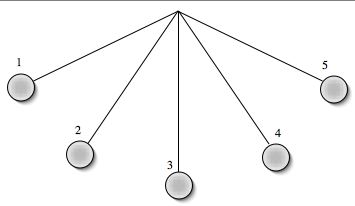
When a pendulum swings, at which point is kinetic energy highest?
a)
1
b)
2
c)
3
d)
4
22.
A 0.40 kilogram bird is flying at a constant speed of 8.0 m/s. What is the bird's kinetic energy ?
a)
3.2 J
b)
4.2 J
c)
2.0 J
d)
12.8 J
23.
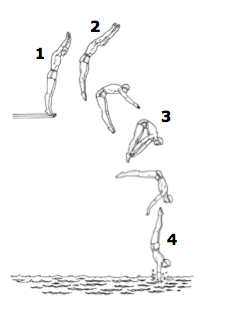
2. The diagram to the right represents a diver’s motion from the top of a high diving board into a pool of water. At what point does the diver have the greatest kinetic energy and the least potential energy?
a)
1
b)
2
c)
3
d)
4
24.

Energy and work are measured in
a)
kilograms
b)
meters
c)
Joules
d)
m/s
25.
How can I gain potential energy? (choose the best answer)
a)
Run a mile
b)
Walk up the stairs
c)
Climb a mountain
d)
Go down the stairs
26.
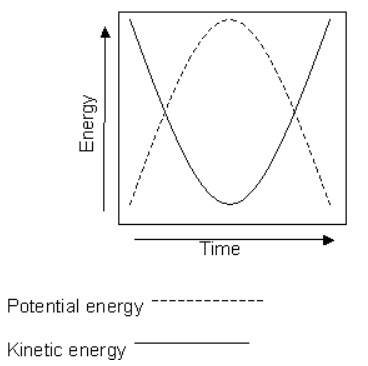
According to this graph, as kinetic energy decreases, potential energy must?
a)
Increase
b)
Decrease
c)
Stay the same
27.
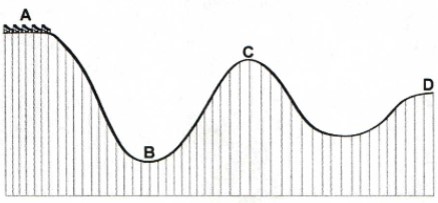
Based on the diagram of a roller coaster car on a roller coaster track, what statement is true?
a)
The car at point A has more kinetic energy than the car at point C
b)
The car at point C has less kinetic energy than the car at point B.
c)
The car at point C has more kinetic energy than the car at point B.
d)
The car at point D has less potential energy than the car at point B.
100 %

