
 Worksheets
PASS 100 Lifestyle, Leisure and Recreation
Total questions: 30
Worksheet time: 23mins
A good activity for a family with very small children may be
going to a rock concert at night
picnic at park
watching an "R" rated scary movie
a golf tournament
Which leisure activity can be done alone?
bingo
football
walking
waterskiing
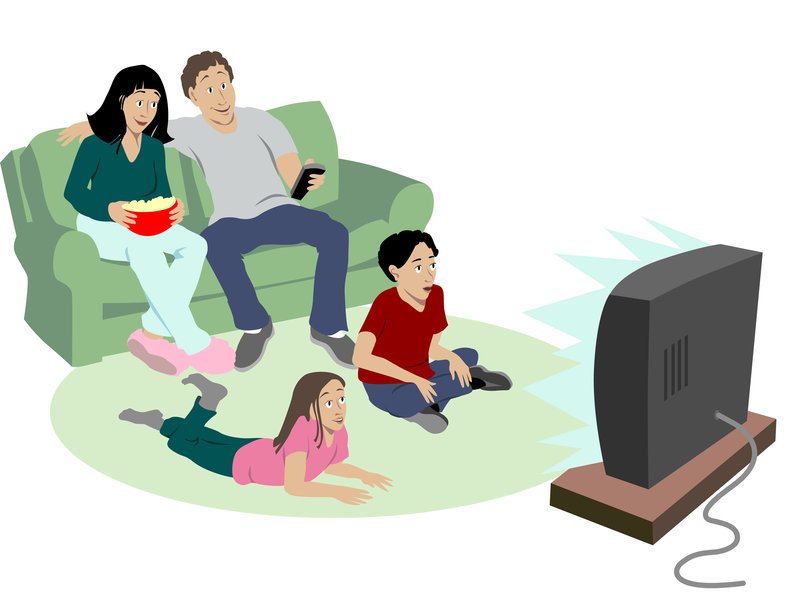
What is the leisure activity? (there may be more than one answer)
play video game
dance
go out with friends
watch TV
Which one of the following statements best describes a healthy, active lifestyle?
Playing a football match
Walking for 20 minutes each day and eating a balanced diet
Playing sport and training twice a week
What is leisure time?
your free time when you have free time to do what you want or not working
travelling to another country
when you are busy and working
business trip to somewhere
What is recreation?
Something fun
A pastime, diversion, exercise, or other resource affording relaxation and enjoyment
Fun outdoor activities
A pastime, exercise, or other resource affording relationships and enjoyment

WATCHING TV is ...
SPORT
LEISURE
SPORT AND LEISURE
NONE OF THE ABOVE
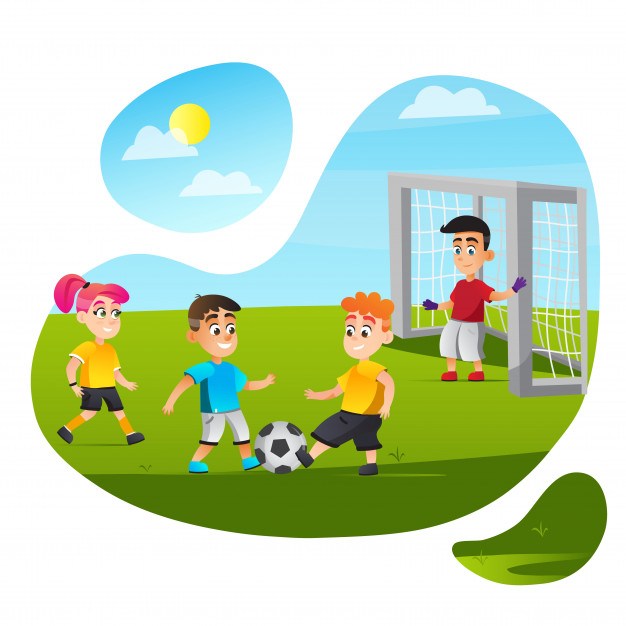
PLAYING FOOTBALL IS...
SPORT
LEISURE
SPORT AND LEISURE
NONE OF THE ABOVE
Participation in fishing or canoeing would be considered which of the following:
Exercise
Recreation
Organised Sport
Play
The way in which an individual lives.
routine
lifestyle
habit
leisure
What is a Sport
An activity done for enjoyment when one is not working
An activity chosen for pleasure, relaxation, or other emotional satisfaction, typically after work and other responsibilities are done.
An activity involving physical exertion and skill in which an individual or team competes against another or others for entertainment.
Tick all the barriers that can prevent participation in Leisure and Recreation?
Gender
Age
Culture
Family
Which of these is NOT a strategy to increase participation in leisure, recreation and physical activity?
individuals are continuously encouraged
workplaces purchase stand up desks for employees
students are prohibited from using sports equipment at lunchtime
individuals are provided with information
Which strategy is aimed at increasing community participation in leisure, recreation and physical activity?
sports captains run lunchtime sports
the council builds water play fountains in local parks
discuss issues at the SRC meeting
PE lessons
Lifelong participation in leisure and recreation is the responsibility of the:
individual and the community
community
government
individual
An example of a leisure and recreational activity that is free of any registration cost is:
Museum membership
Bike riding
Swimming Club
Surf Lifesaving
An example of a leisure and recreational activity that has a pay as you participate structure is:
Ten Pin Bowling
Markets
Swimming Club
Skateboarding
What type of factor influences participation in leisure and recreation when ads on SBS TV encourage ATSI (Aboriginal and Torres Strait Islander) people to participate?
Age
Gender
Social support
The media
A good strategy to overcome the barrier to participation of saying you don't have enough time for a leisure or recreational activity is:
Take time to enjoy looking at nature
Swim at a heated pool
Keep a diary to assess how much spare time is available
Try to get more sleep
A leisure and recreation activity that can be environmentally friendly is
horse racing
swimming in the ocean
car racing
mountain biking
Australia's population will continue to grow, with a growing proportion falling into which category?
young singles
children
older age categories
babies
Which of the following is NOT a way to make leisure and recreation more affordable?
Taking up walking or jogging
Joining a gym
Purchasing second hand or on-sale home exercise equipment
Exercising with friends or family
Which factor MOST determines whether a leisure activity is considered “challenging”?
The cost of equipment
The level of physical or mental demand placed on the participant
The number of people participating
The location where the activity takes place
Why might activities like rock climbing or white‑water rafting be more effective at building resilience than traditional fitness activities?
They require expensive equipment
They are performed indoors
They require little skill development
They involve unpredictable environments that force problem‑solving under pressure
Which statement BEST explains why challenging recreation activities improve mental health?
They guarantee physical fitness improvements
They eliminate all risk, reducing anxiety
They expose participants to controlled stress, helping them develop coping strategies
They require minimal concentration, allowing the mind to relax
Which option BEST explains why safety planning is more important in challenging recreation activities than in low‑intensity leisure activities?
Challenging activities always require professional supervision
They involve higher physical and environmental risks that must be managed to prevent injury
They cannot be performed without specialised clothing
They are only suitable for elite athletes
Which option BEST explains how leisure and recreational activities can enhance spiritual health?
They provide opportunities for reflection, connection to nature, and a sense of meaning or purpose
They guarantee improvements in physical fitness
They require intense concentration that blocks all emotional awareness
They eliminate all stress, allowing the mind to shut down
Which statement BEST explains why leisure and recreation activities improve mental health?
They remove all emotional challenges
They guarantee success in every attempt
They prevent all negative thoughts from occurring
They provide enjoyment, reduce stress hormones, and build confidence through positive experiences
How can general leisure and recreational activities (e.g., walking, team games, creative hobbies) positively impact cognitive health?
They remove the need for concentration and decision‑making
They stimulate the brain through planning, problem‑solving, and learning new skills
They allow the brain to completely shut down during participation
They only benefit people who already have strong cognitive abilities

