
 Worksheets
YEAR 7 CLASSWORK
Total questions: 15
Worksheet time: 7mins
Name
Class
Date
1.

What are the three types of Rocks?
a)
Sedimentary, Igneous, Metamorphic
b)
Sedimentary, Igneous, Marble
c)
Sandstone, Lava, Metamorphisis
d)
Sediment, Lava, Heat and Pressure
2.

You can see layers in this rock. Could be sand, or pebbles.
a)
Sedimentary
b)
Igneous
c)
Metamorphic
d)
Sand Rock
3.

This type of rock is MOST likely to contain fossils.
a)
Sedimentary
b)
Igneous
c)
Metamorphic
d)
Fossil Rock
4.

These can come in INTRUSIVE and EXTRUSIVE.
a)
Sedimentary
b)
Igneous
c)
Metamorphic
d)
Trusive Rocks
5.

Metamorphic Rocks can come Folliated and NON-folliated. What gives you a clue about which category your rock belongs in.
a)
You look at the size of the particles
b)
You look for cracks
c)
You look at the weight and density of the rocks
d)
You look for stripes
6.
What are the 3 major types of rocks?
a)
Igneous, Metamorphic, Sedimentary
b)
Metamorphic, Igneous, Cementation
c)
Brown, Red, Gray
d)
Streak, Hardness, Breakage
7.
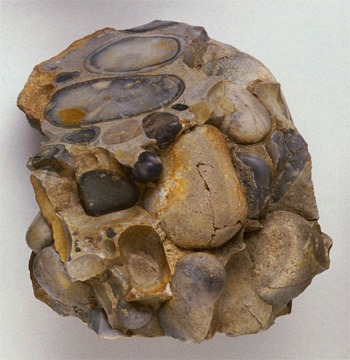
This rock was formed by smaller pieces of rock that settled at the bottom of a lake millions of years ago. What type of rock is this?
a)
Sedimentary
b)
Igneous
c)
Metamorphic
8.
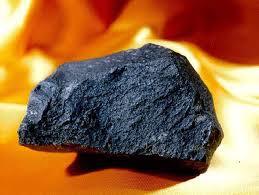
This rock was found near the mouth of a volcano. What type of rock is this?
a)
Sedimentary
b)
Igneous
c)
Metamorphic
9.
This rock was formed when molten rock cooled into a solid. What type of rock is it?
a)
Igneous Rock
b)
Metamorphic Rock
c)
Sedimentary Rock
10.
Which type of rock is formed from INTENSE heat and pressure?
a)
igneous
b)
sedimentary
c)
metamorphic
11.
The natural chemical or physical processes that breaks down rock on Earth's surface.
a)
weathering
b)
erosion
c)
deposition
d)
jackhammering
12.
The process by which water, ice, wind or gravity moves weathered rock and soil from one place to another.
a)
weathering
b)
erosion
c)
deposition
d)
dumptruck
13.
This type of weathering occurs when rocks weaken then break down due to chemical changes in the composition of the rock.
a)
mechanical weathering
b)
chemical weathering
c)
erosion weathering
d)
deposition
14.
A piece of sandstone changing color (from brown to rusty red) from exposure to water and air is an example of:
a)
mechanical weathering
b)
chemical weathering
15.
Weathering is the process of -
a)
Moving sediment from one place to another
b)
Dropping or leaving sediment in a location
c)
Breaking down rocks into sediment
100 %

