Wayground logo

Free Printable Worksheets

Font size

S
M
L
XL
Worksheets

human body

Total questions: 48

Worksheet time: 48mins

Name
Class
Date
1.
I have many jobs. I make bile to help your stomach break down food.  I also store nutrients your body needs.  I also make antibodies to help you fight disease.  What am I?
a)
liver
b)
kidneys
c)
stomach
d)
lungs
2.
I take and absorb the nutrients that your body needs from your food and I put it in your bloodstream so your body can use it.  What am I?
a)
lungs
b)
liver
c)
small intestines
d)
large inttestines
3.
I am a muscle located behind your lungs.  I am always moving and I never get tired.  I pump blood to all parts of your body. What am I?
a)
heart
b)
lungs
c)
kidneys
d)
liver
4.

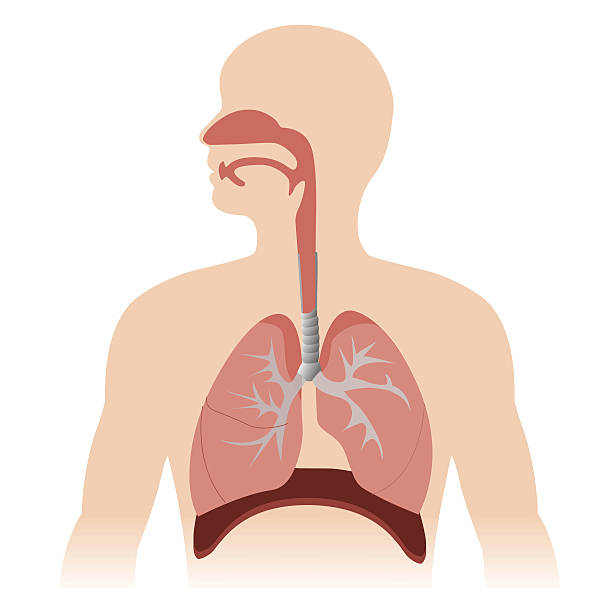
What body system is shown in the picture?

a)

Muscular System

b)

Skeletal System

c)

Nervous System

d)

Respiratory System

5.

What body system is shown in the picture?

a)

Nervous System

b)

Skeletal System

c)

Respiratory System

d)

Digestive System

6.

What system is shown in the picture?

a)

Circulatory System

b)

Muscular System

c)

Nervous System

d)

Digestive System

7.

What system is shown in the picture?

a)

Nervous System

b)

Respiratory System

c)

Muscular System

d)

Circulatory System

8.

What system is shown in the picture?

a)

Nervous System

b)

Circulatory System

c)

Muscular System

d)

Skeletal System

9.

What system is shown in the picture?

a)

Skeletal System

b)

Respiratory System

c)

Muscular System

d)

Circulatory System

10.

Where does oxygen enter your body?

a)

Mouth and eyes

b)

Eyes and ears

c)

Mouth and nose

d)

Only nose

11.

What are the three main parts of the circulatory system?

a)

Blood, Heart, and Lungs

b)

Blood, Blood Vessels, and Heart

c)

Smooth muscles, Lungs, and Bones

d)

Blood Vessels, Muscles, and Air Sacs

12.

What are the sense organs of the central nervous system?

a)

Eyes, Ears, Nose, and Tongue

b)

Tongue and Teeth

c)

Eyes and Ears

d)

Skin

13.

What is one thing that the skeletal system does?

a)

Helps us breathe

b)

Protects our organs

c)

Pumps blood to the rest of our body

d)

Helps us see

14.

What system moves blood and oxygen throughout the entire body?

a)

Skeletal system

b)

Digestive System

c)

Nervous System

d)

Circulatory System

15.

What system allows oxygen to enter and carbon dioxide to leave the body?

a)

Circulatory System

b)

Respiratory System

c)

Muscular System

d)

Digestive System

16.

What system allows the body to move?

a)

Respiratory System

b)

Digestive System

c)

Muscular System

d)

Nervous System

17.

What system sends and receives messages between the brain and the body?

a)

Nervous System

b)

Circulatory System

c)

Muscular System

d)

Skeletal System

18.

What system provides framework and structure for the body?

a)

Digestive Sysem

b)

Skeletal System

c)

Nervous System

d)

Respiratory System

19.
How many bones are in the human body?
a)
200
b)
602
c)
206
d)
106
20.
How many chambers are in the heart?
a)
4
b)
2
c)
6
d)
8
21.
What is the largest bone in the body?
a)
Skull
b)
Ribs
c)
Femur
d)
Vertebrae
22.
What connects bones to each other?
a)
Tendons
b)
Muscles
c)
String
d)
Ligaments
23.
This cushions the bones in a joint
a)
Cartilage
b)
Ligaments
c)
Tendons
d)
Muscle
24.
Which organ pumps blood?
a)
Kidney
b)
lungs
c)
Heart
d)
Veins
25.
The smallest units or parts of living things; the body's building blocks.
a)
cells
b)
organs
c)
tissues
d)
system
26.
Your large and small intestines are part of this body system.
a)
nervous
b)
digestive
c)
muscular
d)
skeletal
27.
A collection of the same kinds of cells working together to do the same job.
a)
cells
b)
tissues
c)
organs
d)
system
28.
Organs are body parts that have specific jobs.  Your body systems are made up of organs.
a)
true
b)
false
29.

Your heart, liver and lungs are protected by what bones:

a)

sternum and ribs

b)

tendon and joint

c)

cartilage and vertebrae

d)

skull and mandible

30.
The layer of the skin that covers and protects your body. 
a)
epidermis
b)
dermis
c)
hypodermis
31.
The middle and thicker layer of skin that houses the blood cells, sweat glands, and hair follicles. 
a)
epidermis
b)
dermis
c)
hypodermis
32.

Which is an example of a hinge joint?

a)

shoulder and hip

b)

knee and elbow

c)

ribs and sternum

33.

About how many bones does a baby have?

a)

about 200

b)

about 300

c)

about 600

34.

How many bones does an adult have?

a)

106

b)

206

c)

600

35.

What is the largest organ on your body?

a)

heart

b)

lungs

c)

skin

d)

stomach

36.

The immune system fights diseases. The circulatory system pairs with the immune system because ___.

a)

blood is made in the bones.

b)

plasma carries nutrients.

c)

red blood cells carry oxygen.

d)

white blood cells fight infection.

37.

The organ within the circulatory system that allows for the diffusion of materials between all other tissues of the body is the...

a)

heart

b)

artery

c)

capillary

d)

vein

38.
What is the basic function of your brain?
a)
pumps blood and oxygen throughout your body
b)
take in oxygen
c)
gets information from your senses; control center of your body
d)
make your body move 
39.
What is the basic function of your lungs?
a)
supports your body
b)
pumps blood and oxygen throughout your body
c)
breaks down food
d)
take in oxygen 
40.
What is the basic function of your heart?
a)
pumps blood and oxygen throughout your body
b)
supports your body
c)
breaks down food
d)
control center of your body
41.
What is the basic function of your stomach?
a)
control center of your body
b)
take in oxygen
c)
make your body move
d)
breaks down food
42.
What is the basic function of your muscles?
a)
make your body move
b)
supports your body
c)
control center of your body
d)
pumps blood and oxygen throughout your body
43.
What is the basic function of your skeleton?
a)
gets information from your senses
b)
take in oxygen
c)
make your body move
d)
supports your body
44.
Which body part helps your body digest food?
a)
brain
b)
skeleton
c)
lungs
d)
stomach
45.
Which body part helps move oxygen to all parts of the body?
a)
the bones
b)
the brain
c)
the heart
d)
the muscles
46.
The ______ breaks down large food particles into very small particles.

These small particles are absorbed into the bloodstream through the ______.
a)
mouth, kidneys
b)
stomach, small intestine
c)
small intestine, stomach
d)
digestive system, nervous system
47.
Which of the following is correct?
a)
When the heart contracts, it fills with air from the atmosphere
b)
When the heart expands, it fills with air from the atmosphere
c)
When the lungs expand, they fill with air from the atmosphere.
d)
When the lungs contract, they fill with air from the atmosphere
48.
The picture below shows the stomach and intestines. These organs allow a person to grow and survive by helping the body: 
a)
get air from food
b)
clean the air before it enters your lungs
c)
get energy out of food
d)
respond to signals from your skin