wayground logo

Free Printable Worksheets

Font size

S
M
L
XL
Worksheets

Physical and Chemical Changes_ICSE Grade 8

Total questions: 51

Worksheet time: 45mins
Name
Class
Date
1.
A change that alters the physical properties of a substance without changing its composition.
a)
Physical Change
b)
Chemical Change
2.
Water freezing into ice is an example of a...
a)
Physical Change
b)
Chemical Change
3.
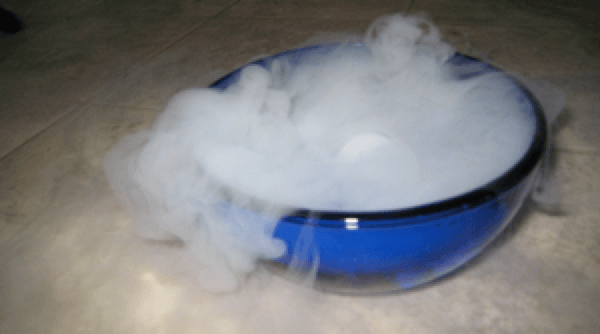
Which of the following is an example of sublimation?
a)
Dry Ice
b)
Water boiling into steam
c)
Ice cream melting
d)
Water freezing into ice
4.
Any change in the state of matter of a substance is a...
a)
Physical Change
b)
Chemical Change
5.
A change in matter that forms one or more new substances with new chemical properties is a/an...
a)
Physical Change
b)
Chemical Change
6.
Which of the following indicates a chemical change?
a)
Change in state of matter
b)
Temperature change
c)
Change in size 
d)
Change in shape
7.
A solid substance that forms when 2 liquid solutions are combined?
a)
Sublimation
b)
Precipitate
c)
Condensation
d)
Freezing
8.
Which of the following DOES NOT indicate a chemical change/reaction is occurring?
a)
Color Change
b)
Formation of a Precipitate
c)
Formation of gas/bubbles
d)
State of matter change
9.
We use chemical equations to show what happens in a....
a)
Chemical Change
b)
Physical Change
10.
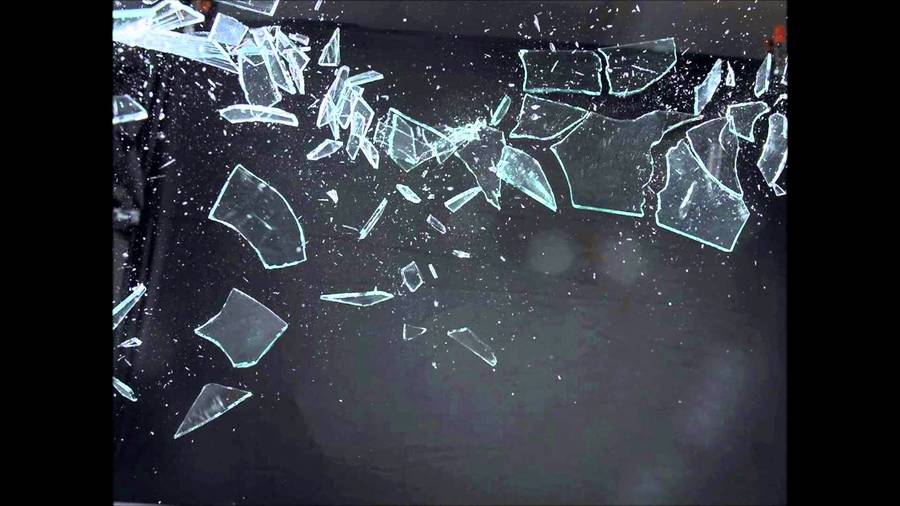
Chemical or Physical?  Glass breaking into tiny shards
a)
Chemical Change
b)
Physical Change
11.
Which Law states that Matter cannot be created or destroyed during a Chemical Change/Reaction?
a)
Conservation of Energy
b)
Conservation of Matter (Mass)
c)
Conservation of Momentum
d)
Conservation of Thermodynamics
12.
Physical or Chemical Change?  Iron rusts
a)
Physical Change
b)
Chemical Change
13.
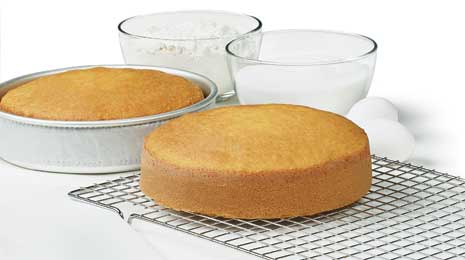
Physical or Chemical Change?  Baking a cake.
a)
Chemical Change
b)
Physical Change
14.
Physical or Chemical Change?  Sodium metal burning in water.
a)
Physical Change
b)
Chemical Change
15.

Photosynthesis is the process in which plants make sugar(glucose) and oxygen. It is a ---- property.

a)

Chemical

b)

Physical

16.

Digestion, the process of the body breaking down food for nutrients, is a --- property.

a)

Chemcial

b)

Physical

17.

Decay or rotting of a substance is a ---- property.

a)

Chemical

b)

Physical

18.

The freezing point of water in degrees Celsius is---

a)

0

b)

32

c)

212

d)

100

19.
Physical properties are
a)
properties that can be observed without changing the identity of the substance
b)
properties that describe how a substance changes into a completely different substance
20.
which one is the definition of chemical property?
a)
a property or characteristic of a substance that is observed during a reaction where the chemical composition of a substance is changed
b)
any change that results in the formation of new chemical substances
c)
combustibility
21.
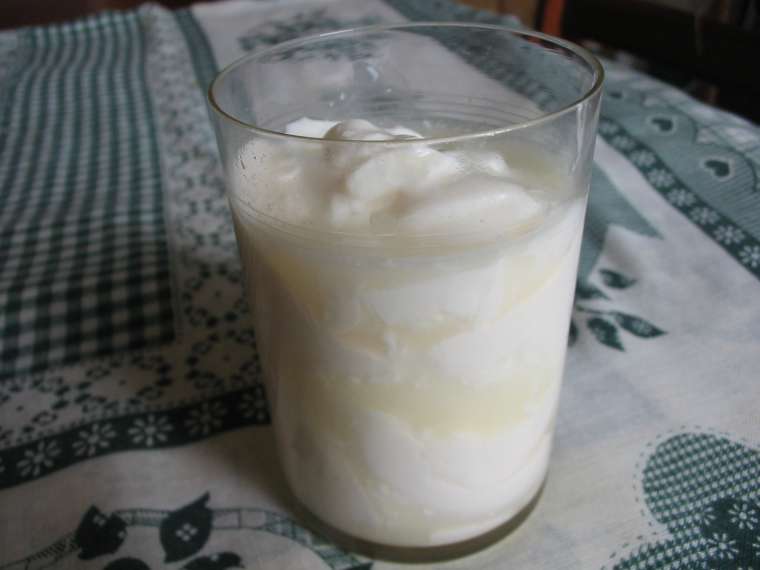
Is milk going sour a physical or chemical change?
a)
Physical 
b)
Chemical
22.
Is copper tarnishing a physical or chemical change?
a)
Physical 
b)
Chemical
23.

Broken glass is a

a)

chemical change

b)

physical change

24.
A chemical reaction accompanied by the releasing of heat. 
a)
Endothermic
b)
Exothermic
c)
Mesothermic
d)
Misothermic
25.
Sodium Hydroxide dissolves in water
a)
Chemical Change
b)
Physical Change
26.
Hydrochloric acid reacts with potassium hydroxide to produce a salt, water,and heat.
a)
Chemical Change
b)
Physical Change
27.
When iron nails get rusty, heat is released.  What process is this?
a)
Exothermic
b)
Endothermic
28.
Which is the name of the kind of solid substance formed in this figure?  
a)
aqueous 
b)
precipitate
c)
acid
d)
synthesis 
29.
Magnesium reacts with hydrochloric acid to produce magnesium chloride and hydrogen gas this happens because? 
a)
Magnesium is higher on the reactivity series then hydrogen
b)
magnesium is more reactive than hydrogen
c)
magnesium is able to break the bond between HCl and form MgCl2
d)
both b and c are correct
30.
Provides evidence that a chemical reaction has occurred. 
a)
dissolving 
b)
melting
c)
formation of a gas
d)
bending
31.
the starting materials in a chemical reaction
a)
Products
b)
Reactants
c)
Starters
d)
Enders
32.
a substance that is formed as the result of a chemical reaction
a)
Product 
b)
Reactant
c)
Starters
d)
Enders
33.

Crystallization is a

a)

Physical Change

b)

Chemical Change

34.

In chemical change there is change in the composition of matter

a)

True

b)

False

35.

Chemical reactions are accompanied by-

a)

Evolution of Gas

b)

Exchange of Energy

c)

Formation of Precipitate

d)

Change of State

36.

The gas released when sodium nitrate is heated strongly

a)

Nitrogen dioxide

b)

Oxygen

c)

Nitrogen

37.

Hydrogen sulphide gas has --------- smell

a)

Pungent

b)

Suffocating

c)

Rotten egg like

d)

no smell

38.

Active metal reacts with dilute acid to produce ------- gas

a)

Oxygen

b)

Chlorine

c)

Hydrogen

d)

Nitrogen

39.

In the chemical reaction: CuCO3 \rightarrow  CuO + CO2

a)

Color changes from Green to Black

b)

Color changes from Blue to Green

c)

Color changes from Blue to Black

40.

2Pb3O4   \rightarrow   --------  +  O2

a)

2PbO

b)

2PbO2

c)

6PbO

d)

6Pb

41.

When Lead Nitrate is heated strongly it produces-

a)

Green color gas

b)

Colorless gas

c)

Reddish color gas

d)

Yellow color gas

42.

When copper nitrate is heated strongly it produces----

a)

Nitrogen

b)

Nitrogen Dioxide

c)

Oxygen

d)

Nitrogen monoxide

43.

Complete the following Equation---
AgNO3 + ----------   \rightarrow     NaNO3(sol) + ------ 

(a)  

44.

Addition of sodium hydroxide solution to ferrous hydroxide solution produces ------- color precipitate

a)

Brick Red

b)

Dirty Green

c)

Pale Blue

d)

Chalky white

45.

Reaction between Lead nitrate and ---------- produces yellow precipitate.

a)

Potassium Chloride

b)

Potassium Iodide

c)

Potassium Bromide

d)

Potassium Fluoride

46.

Magnesium wire burns in presence of oxygen with

a)

Dazzling white light

b)

Green light

c)

Blue Light

d)

Yellow Light

47.

Addition of Quick lime to water

a)

Exothermic

b)

Endothermic

48.

Red hot carbon (solid state) reacts with sulphur (vapours) to produce Carbon Disulphide of--------- state

a)

Solid

b)

Liquid

c)

Gas

49.

Ammonium chloride dissociates to give ------- fumes

a)

Dense yellow

b)

Dense white

c)

Dense blue

50.

Hydrogen Burns with a -------- sound

(a)  

51.

Hydrogen burns to give ---------

(a)