
Font size
 Worksheets
NST revision quiz
Total questions: 62
Worksheet time: 50mins
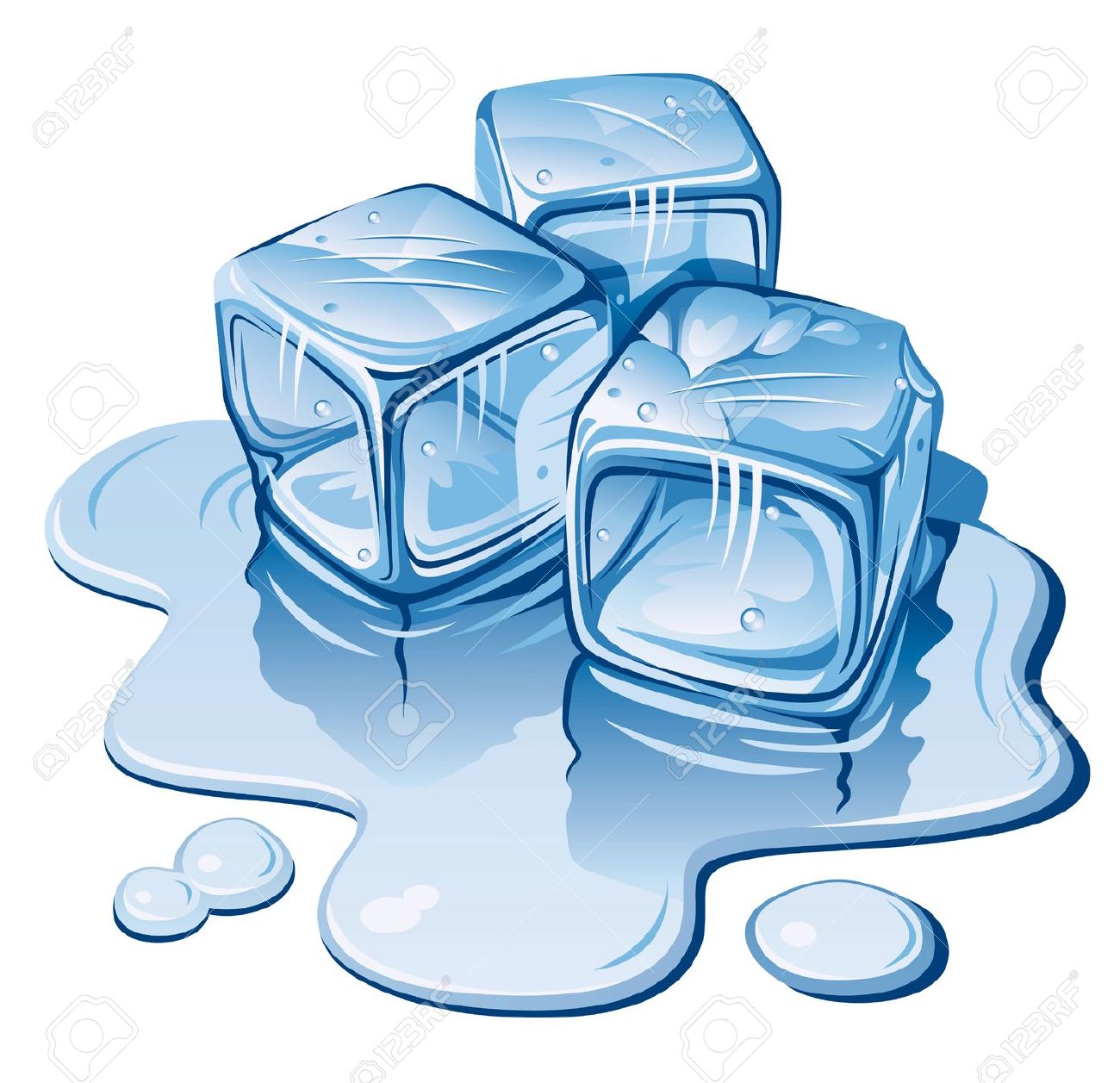
What type of energy is changing this solid to a liquid?
Light energy
Sound energy
Heat energy
Melting energy
Evaporation energy

This water is changing from a liquid to a ________ through the process of _____________.
solid, evaporation
liquid, evaporation
gas, evaporation
gas, condensation
evaporation, gas
Which of the following terms identifies the change from a liquid to gas?
Evaporation
Condensation
Deposition
Freezing
Melting
The following substances have no fixed shape:
liquids and gases
liquids and solids
gases and solids
solids, liquids and gases
Oxygen can be trapped and contained inside a closed glass container.
True
False

What is the process involved when this happens to your car windows?
condensation
evaporation
melting
freezing
solidifying
Ice _______ when it _________ heat and forms ___________.
melts, gains, water
freezes, solidifies, water vapour
melts, evaporates, solid
melts, loses, snow
freezes, loses, water
Water _________ when it ___________ heat and forms _________.
evaporates, gains, vapour
condenses, gains, vapour
evaporates, solidifies, ice
evaporates, loses, vapour
solidifies, gains, ice
Precipitation is part of the water cycle.
True
False
During the water cycle, water rises into the atmosphere as (a) .
Clouds in the sky are a result of ________________.
condensation
rain
stormy weather
evaporation
precipitation
The most common forms of precipitation are:
rain, hail and (a) .
When water freezes in clouds, it results in ___________ and ________.
hail, snow
rain, hail
rain, snow
(a) are substances which take the shape of the container they are in.
When liquids cool, they ____________ .
solidify
evaporate
condensate
melt
flow
A block of butter placed in the sun is a good example of which change of state?
solid to liquid
liquid to solid
melting
solidifying
evaporation

What change of state is involved in the making of this dessert?
liquid to solid
solid to liquid
melting
freezing
solidifying

What natural raw material is used to make ceramic products like plates and coffee mugs?
(a)

Coal is a raw material that comes from ________________. It was formed from __________ and ___________ which grew millions of years ago.
underground, trees, plants
South Africa, animals, plants
underground, animals, plants
South Africa, rocks, sand
underground, rocks, sand
Ceramics and glass are said to be 'brittle.' This means...
they break easily
they bend easily
they can be recycled
they can be shaped and moulded easily
Manufactured materials are useful things made by _________, using _______________.
people, raw materials
people, plastic
people, recycled products
machines, glass
The following items are not raw materials:
clay, sand, oil
clay, coal, wood
leather, plastic, glass
wool, cotton, oil
Which raw material is heated until it melts to form glass?
(a)
Sand is formed over millions of years when rocks break down into tiny pieces.
True
False
Clay is 'malleable.' This means:
it can be shaped easily
it can break easily
it can be heated easily
it can be melted easily

Plastic is a manufactured material which is made using the following raw materials:
oil and coal
coal and wood
glass and oil
nylon and coal
The biggest problem with plastic products is...
they pollute our planet
they break easily
they don't last forever
they melt if heated so can't be used for cooking
_________ oil is a raw material which is pumped to refineries where it is processed.
Crude
Black
Raw
Rig
Coal
All of these fibres are NOT manufactured fibres:
cotton, wool, silk
nylon, silk, polyester
cotton, wool, nylon
lycra, cotton, polyester
Paint is a manufactured product which is made from ________ and ________.
oil, coal
coal, plastic
oil, sand
polyester, coal
When we cut off a sheep's wool, we say that we (a) the wool off.
Where do we get the raw material to make paper?
(a)
The process involved in the making of leather from animal hides is called __________.
tanning
taming
taning
treating
tapping
The runny, gooey mixture made in the process of making paper is called ____________.
pulp
palp
polp
pelp
pap

Cotton comes from a (a) .

At paper factories (mills), wood is chopped into tiny pieces called (a) .
There are not enough forestry trees in South Africa. Therefore, _____________ paper is also used in the making of new paper.
recycled
rolled
newspaper
pulp
cardboard
Why must we recycle plastic and paper? (select as many answers as you wish)
So that it can be used to make new plastic and paper products.
So that we reduce pollution.
So that we can increase pollution.
So that we can dispose of it in our rivers and oceans.
What is the most important property of the material of this raincoat. It is (a) .
A material which bends easily is a ___________ material.
flexible
stiff
plastic
malleable

The most important property of this wire is that it is _______.
flexible
malleable
yellow
waterproof
stiff
The main difference between a rock and a piece of clay is that the rock is __________ and the clay is ___________.
hard, malleable
stiff, flexible
waterproof, absorbent
hard, stiff
One of the best properties of plastic is that it is light and _______.
strong
weak
absorbent
malleable
brittle
The most important property of a towel is that it is _________.
absorbent
light
flexible
soft
reusable
Ways in which to strengthen a single piece of paper are to roll it or (a) it.
What do we call lengths of strong material that are joined together to make a strong framework?
struts
strats
slats
poles
pillars
Examples in the human body of struts are:
arms, legs
arms, head
back, nose
lungs, heart
head, feet
When struts are joined into triangle shapes, we call this...
triangulation
bridges
strengthening
frame structures
'Indigenous' houses are ___________ houses.
traditional
African
natural
old
different

The name of a native American Indian's house is a teepee or...
(a)

What is the name of this traditional Inuit house? It is a/an...
(a)

Which people in South Africa build traditional houses like this?
Xhosa
Zulu
Swazi
Nama
Sotho

This is a traditional Zulu (a) hut.
Wattle and _________ is a technique used to build the walls of traditional houses.
daub
duab
dawb
baud

This is the traditional house of the _________ people from Namibia.
Nama
Namib
Nimba
Namba
"Daub" is a mixture of the following:
wet sand, dry sand, dung, clay, straw
wet sand, dung, bark, leaves, clay
dry sand, clay, dung, wattle, seeds
dry sand, cement, clay, dung, straw

This is a traditional ______________.
matjieshuis
beehive hut
rondavel
maatjiehuis
bee hut
The branches used to build a 'matjieshuis' come from the local ___________ trees.
tamarisk
baobab
marula
reeds
acacia
Why do native Inuit people build their igloos out of blocks of ice and compressed snow?
There is so much of this material around them.
They prefer to be cold.
They don't know about bricks and cement.
They only have the tools for ice and snow.
The Bedouin people of the Sahara desert use the hair from goats and (a) to make their tents.
What do the Zulu people attach to the framework of their beehive huts to finish them off?
grass mats
wattle
wattle and daub
daub
reeds

