wayground logo

Free Printable Worksheets

NEW

Font size

S
M
L
XL
Worksheets

Activate 1 Reactions

Total questions: 31

Worksheet time: 15mins
Name
Class
Date
1.

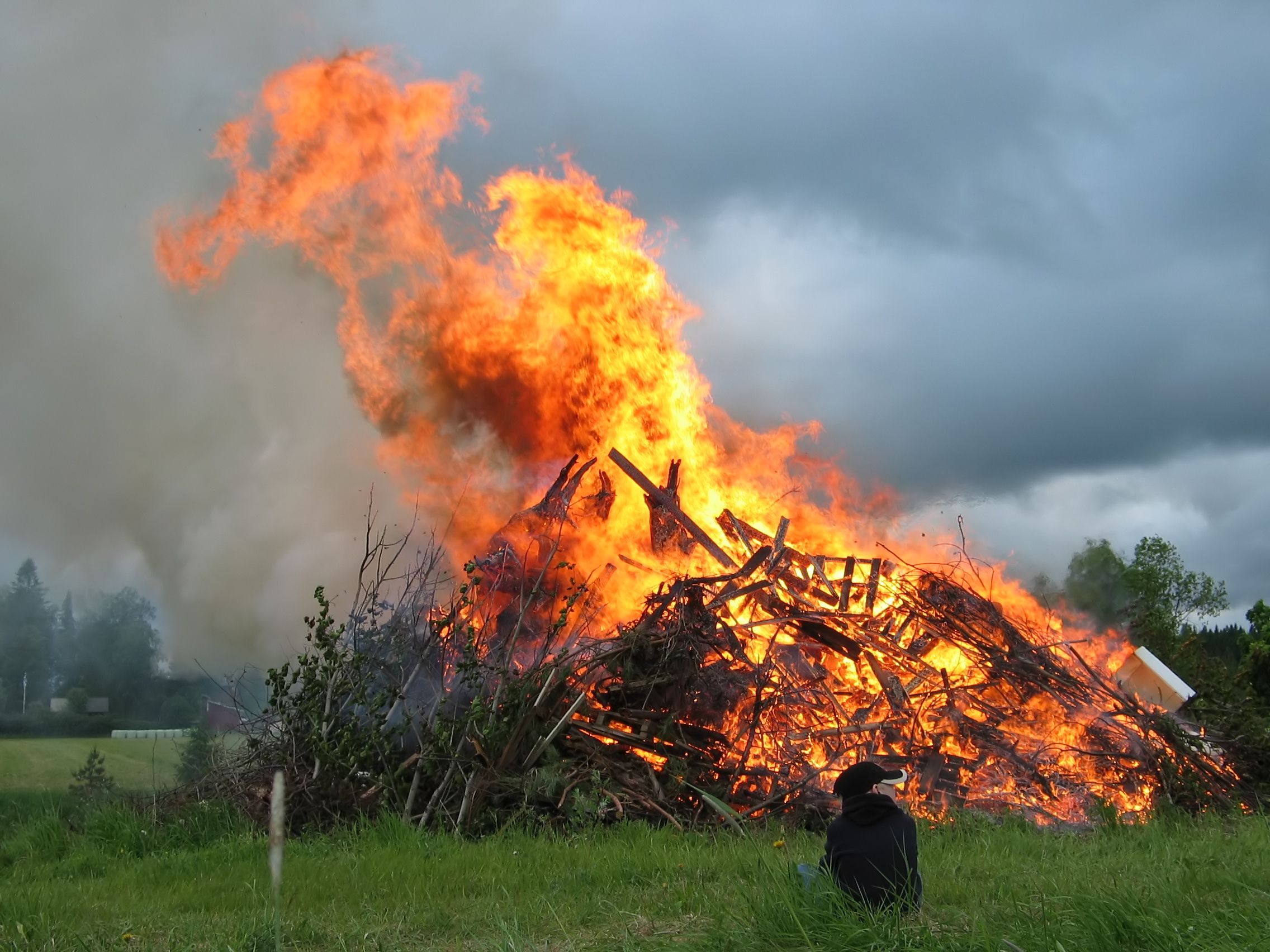
Wood that is burning in a brush pile has heat, and produces ashes.

a)

Physical

b)

Chemical

2.
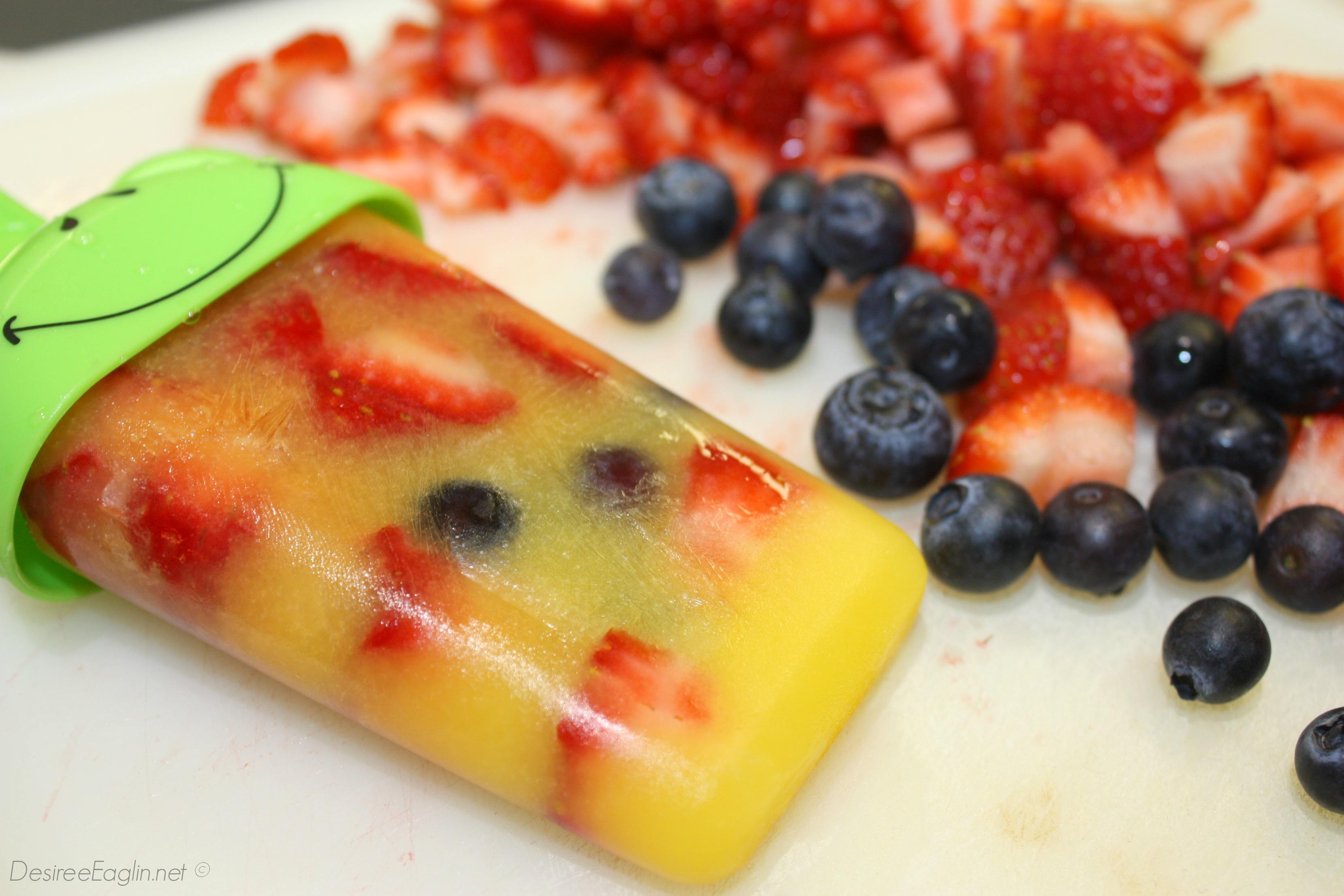
Is freezing juice a physical or chemical change?
a)
Physical Change
b)
Chemical Change
3.
Which is NOT a physical change?
a)
Cutting a pizza into equal slices.
b)
Ice cubes melting back into liquid. water
c)
Baking cupcakes.
d)
A chocolate bar melting.
4.

Which of the following is a physical change?

a)

Dissolving

b)

Rapid release of heat

c)

Fizzing (release of gas)

d)

Rusting

5.

What is the pH of distilled water?

a)

pH 12

b)

pH 3

c)

pH 8

d)

pH 7

6.

What colour does litmus paper turn when added to an alkali?

a)

Blue

b)

Red

c)

Green

d)

Colourless

7.

What happens to the pH of an acid during neutralisation?

a)

It stays the same

b)

It moves toward pH 1

c)

It moves towards pH 7

d)

It moves towards pH 14

8.

If you wanted to test a colourless and odourless substance at home, what household item could you use?

a)

Red cabbage water

b)

Bleach

c)

Water

d)

Vinegar

9.

Which pH levels indicated a strong acid?

a)

1-3

b)

4-6

c)

8-11

d)

12-14

10.

Which pH level indicates a weak alkali?

a)

1-3

b)

4-6

c)

8-11

d)

12-14

11.

Strong acids and alkalis are...

a)

Sour

b)

Sweet

c)

Corrosive/Caustic

d)

Burn litmus paper

12.

Acid in our stomach:

a)

Hydrochloric acid

b)

Sulfuric acid

c)

Acetic acid

d)

Carbonic acid

13.

The color of universal indicator in sodium hydroxide:

a)

Red

b)

Yellow

c)

Purple

d)

Green

14.
Which of the following is NOT evidence that that a chemical reaction has occurred?
a)
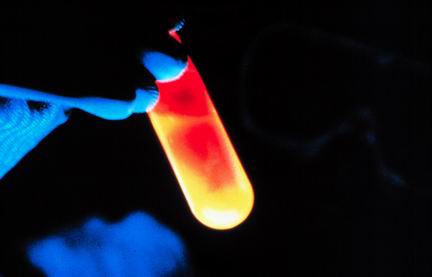
produces light/heat
b)
production of a gas
c)
formation of a precipitate
d)
melting
15.

metal + acid -->

a)

salt + hydrogen

b)

salt + water

c)

salt + carbon dioxide

16.

When an acid and a base react, a ______________ reaction takes place.

a)

Displacement

b)

Oxidation

c)

Neutralisation

d)

Transamination

17.
What are the reactants for the reaction of metal with water?
Metal + water ---> metal hydroxide + hydrogen
a)
Metal
b)
Water
c)
Metal and water
d)
Metal hydroxide and hydrogen
18.
What metal hydroxide is produced when magnesium reacts with water?
a)
Copper hydroxide
b)
Magnesium oxide
c)
Magnesium
d)
Magnesium hydroxide
19.
Which metal is most likely to react with water or acid?
a)
Copper
b)
Potassium
c)
Magnesium
d)
Iron
20.

If potassium reacts with water what are the 2 products of the reaction?

a)

potassium hydroxide + oxygen

b)

potassium hydroxide + hydrogen

c)

potassium + hydrogen oxide

d)

Potassium hydroxide + hydrogen oxide

21.
Which of the following reactions produces calcium oxide?
a)
calcium and oxide
b)
calcium and water
c)
calcium and air
d)
calcium and oxygen
22.
Which of the following is the product of the reaction of aluminium and oxygen?
a)
aluminium oxide.
b)
metal oxide
c)
aluminium ore
d)
aluminium and oxygen
23.
A displacement reaction will occur when...
a)
a more reactive metal displaces a less reactive metal from its compound.
b)
A less reactive metal displaces a more reactive metal from its compound
c)
Displacement only occurs when two of the same metals are reacted 
d)
Displacement reactions will only occur in metals above iron in the reactivity series
24.
What is made when magnesium reacts with hydrochloric acid?
a)
magnesium nitrate and hydrogen gas
b)
magnesium sulfate and hydrogen gas
c)
magnesium oxide and oxygen gas
d)
magnesium chloride and hydrogen gas
25.
Which one of the following Would the following result in a displacement reaction?
a)
Iron with magnesium chloride
b)
magnesium with iron chloride
c)
Iron with Zinc Sulphate
d)
gold with silver nitrate
26.

What is the test for Hydrogen gas?

a)

Squeaky pop

b)

Lime water turning cloudy

c)

Add pH paper

27.

How do you remove the water to leave solid copper sulfate crystals?

a)

Filter

b)

Evaporate

c)

Distill

28.
Salts that are made with sulfuric acid are called ______________.
a)
chlorides
b)
sulfates
c)
nitrates
d)
carbonates
29.
Salts that are made with nitric acid are called ______________.
a)
chlorides
b)
sulfates
c)
nitrates
d)
carbonates
30.
Salts that are made with hydrochloric acid are called ______________.
a)
chlorides
b)
sulfates
c)
nitrates
d)
carbonates
31.
What salt is produced if you react sodium hydroxide with hydrochloric acid?
a)
sodium hydroxide
b)
sodium sulfate
c)
sodium nitrate
d)
sodium chloride