
 Worksheets
VNGS - Light, Shadows and Reflection - Part II
Total questions: 30
Worksheet time: 16mins
Light travels through air, water, glass and many other materials. What path does it travel to get from one place to another?
sideways
back and forth
straight
up and down
What do we call a material that light can travel through?
air
water
medium
pathway
When an object moves closer to a light source, its shadow...
Gets smaller
Gets bigger
Changes shape
Stays the same size
Which object allows you to see your reflection?
rock
mirror
paper
Opaque is?
Material that allows light to pass through
Light made by nature
Material that allows no light to pass through
A device containing two plane mirror which gives us a higher view than a normal is
Stethoscope
microscope
periscope
telescope

Smooth and shiny surfaces can _____________ light.
reflect
scatter
absorb

We can see things around us because of light reflecting off the object and into our eyes?
True
False
A source of light made by man
Natural light
Artificial light
sunglasses
which of the characteristics is not exhibited by the shadow of an object?
erect
can be formed on screen
same colour as the object
can be bigger than the object
divergent ray is


none of these

Why do we see objects as black?
They absorb all light
They reflect all light
They reflect red and blue light.
They reflect green and blue light.
Some examples of reflecting surfaces are ...
Mirror, white paper, Cds, DVDs, convex mirrors.
Black piece of wood
Black paper
What part of our body do we use to detect light?
Select the natural source of light
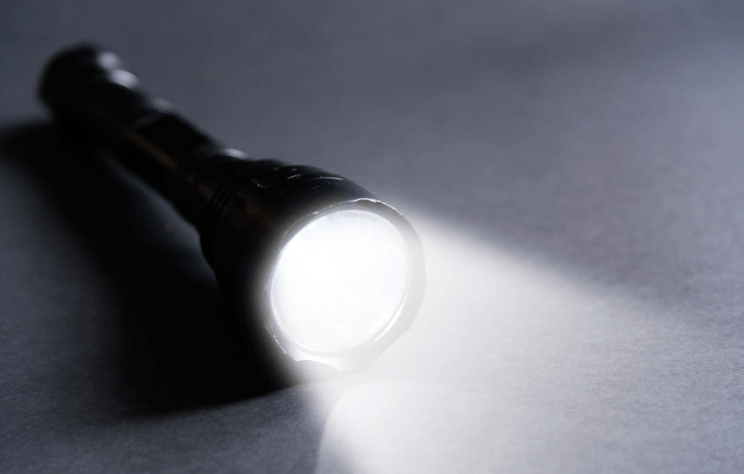
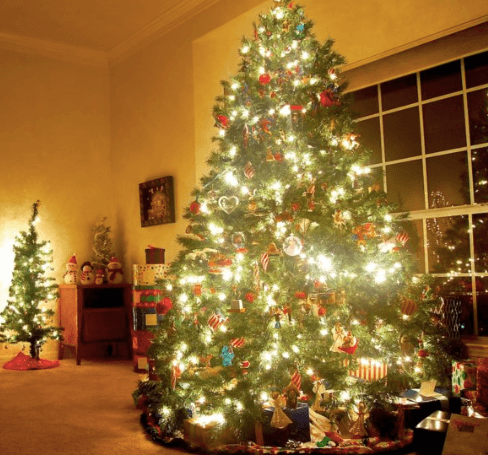
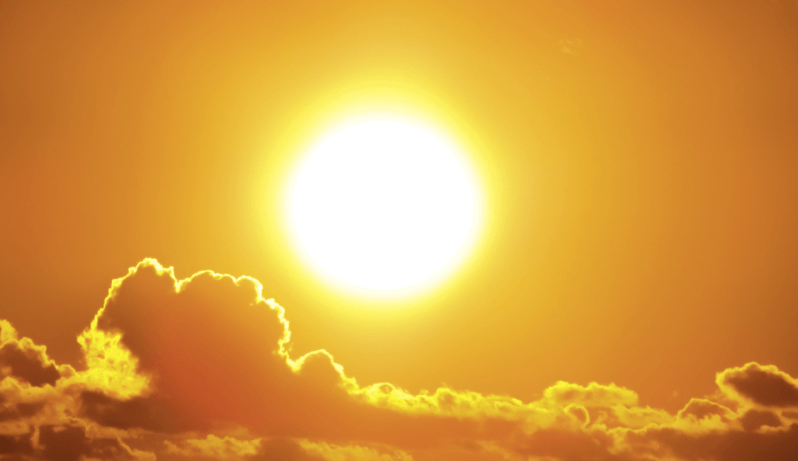
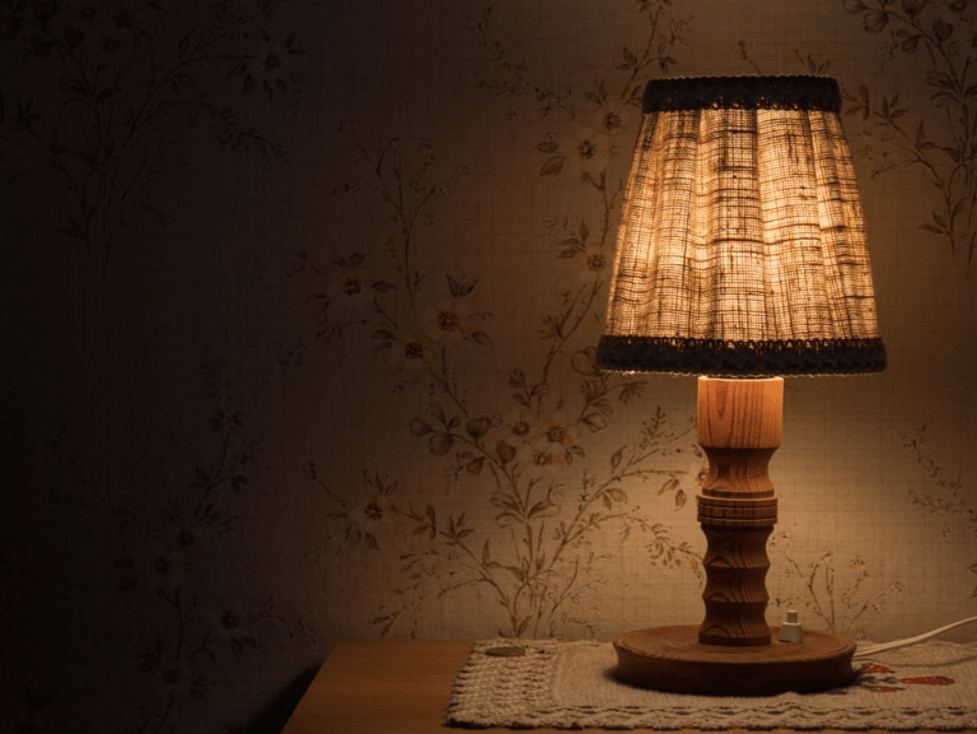


Which position of the sun will make the longest shadow?
A
B
C
What is reflected by a red shirt?
white light
red light
all light
all colors of light except red light
All colors of the rainbow make up white light.
True
False


Using this diagram, what is the name of Part (B) of the eclipse?
penumbra
annular eclipse
umbra
partial eclipse
The blocking of the Sun’s light that occurs during a new moon when the Moon’s shadow falls on Earth is called a lunar eclipse.
false
true

