Wayground logo

Free Printable Worksheets

Font size

S
M
L
XL
Worksheets

Matter, Atoms, and Electrons Quick Questions

Total questions: 40

Worksheet time: 21mins

Name
Class
Date
1.

A p orbital holds __ electrons

a)

2

b)

4

c)

6

d)

10

e)

14

2.

An s orbital holds __ electrons

a)

2

b)

4

c)

6

d)

10

e)

14

3.

A d orbital holds __ electrons

a)

2

b)

4

c)

6

d)

10

e)

14

4.

An f orbital holds __ electrons

a)

2

b)

4

c)

6

d)

10

e)

14

5.

The mass of a proton is

a)

1 amu

b)

0 amu

6.

The mass of an electron is

a)

1 amu

b)

0 amu

7.

The mass of a neutron is

a)

1 amu

b)

0 amu

8.

in a solution it does the dissolving

a)

solution

b)

solute

c)

solvent

d)

solubility

9.

in a solution it is being dissolved

a)

solution

b)

solute

c)

solvent

d)

solubility

10.

The charge of a proton is

a)

positive

b)

negative

c)

neutral

11.

The charge of an electron is

a)

positive

b)

negative

c)

neutral

12.

The charge of a neutron is

a)

positive

b)

negative

c)

neutral

13.

How many energy levels are there on the periodic table?

a)

1

b)

3

c)

5

d)

7

14.

What is a solid?

a)

particles that are tightly compacted

b)

particles that are not tightly compacted

15.

what is a liquid?

a)

a substance that flows freely but is of constant volume

b)

a substance or matter in a state in which it will expand freely

c)

firm and stable in shape

16.

what is a gas?

a)

a substance or matter in a state in which it will expand freely to fill the whole of a container

b)

the basic unit of a chemical element

c)

an atom or molecule with a net electric charge due to the loss or gain of one or more electrons.

17.
Solid, liquid and gas are examples of?
a)
phases
b)
temperature
c)
scale
d)
refute
18.
Which of the following is a Physical Property 
a)
Toxicity
b)
Flammability
c)
Malleability
d)
Reactivity
19.
Which of the following would be considered a homogeneous mixture
a)
Sweet Tea
b)
Vegetable soup
c)
24 Karat Gold
d)
Distilled water
20.
No Definite Shape and No Definite Volume
a)
Gas
b)
Liquid
c)
Solid
21.

Properties that DO depend on the amount of matter present.

a)

Mass

b)

Hardness

c)

Extensive

d)

Intensive

22.

Properties that depend on the identity of substance.

a)

Mass

b)

Hardness

c)

Extensive

d)

Intensive

23.

Which of the following is an intensive property?

a)

Color

b)

Mass

c)

Volume

d)

Weight

24.
What is the name of a single type of atom?
a)
cell
b)
proton
c)
element
d)
atom
25.
What is the term for combining 2 or more DIFFERENT atoms together?
a)
atoms
b)
elements
c)
molecules
d)
compounds
26.

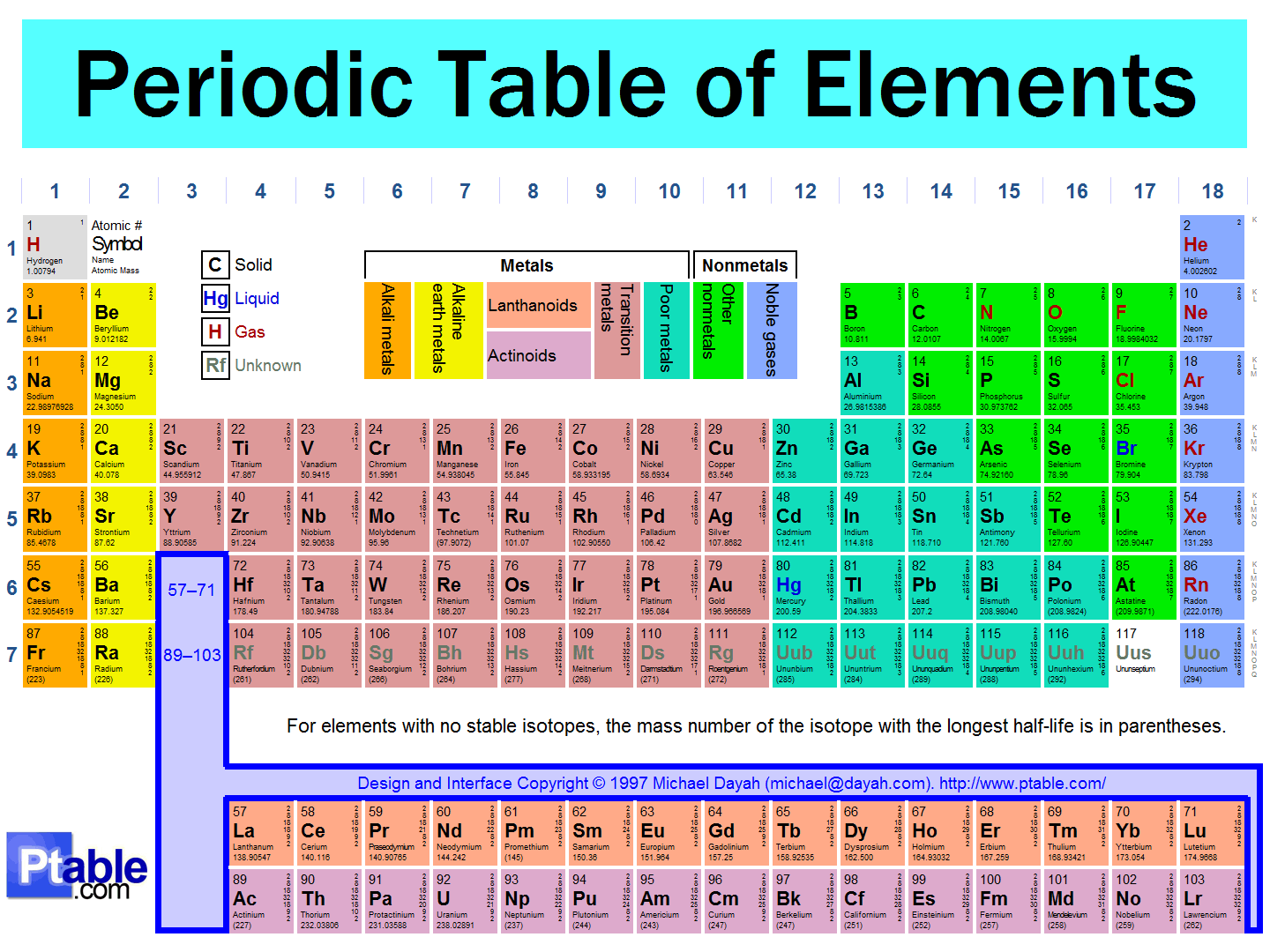
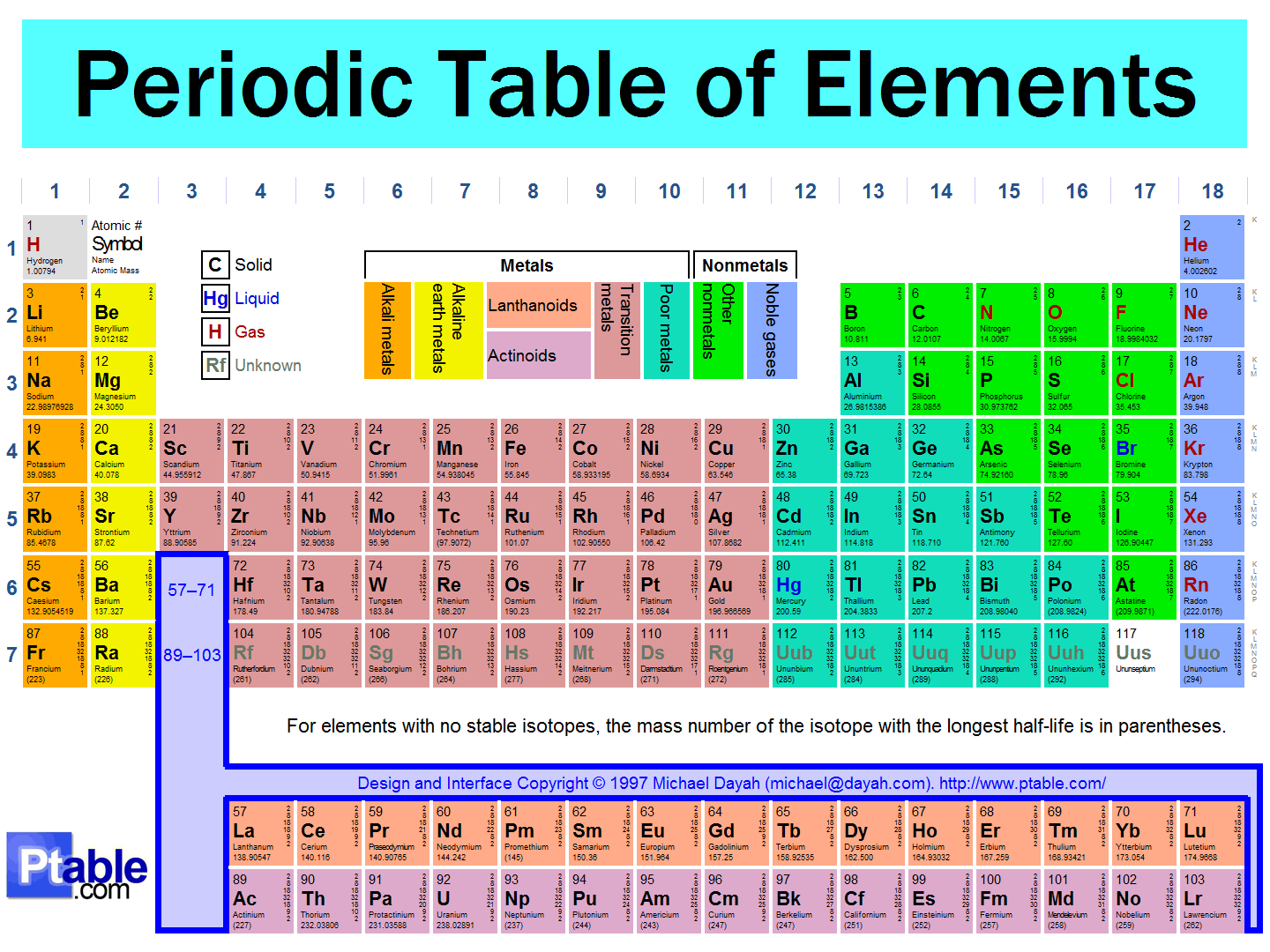
The vertical (up and down) columns in the Periodic Table are called

a)

groups

b)

towers

c)

periods

d)

atomic numbers

27.
The Modern Periodic Table of Elements is arranged by
a)
atomic mass
b)
atomic number
c)
valence electrons
d)
number of isotopes
28.
The atomic number tells you what?  READ THE ANSWERS CAREFULLY
a)
only the number of electrons
b)
 only the number of protons
c)
only the number of neutrons
d)
the number of both electrons and protons in an atom.
29.
What does the atomic mass tell you? 
a)
Basically,the number of electrons and protons
b)
The number of neutrons
c)
Basically, the number of protons and neutrons
d)
The number of protons.
30.
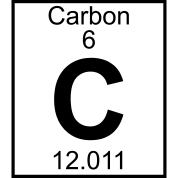
What does the 6 represent?
a)
atomic mass
b)
atomic number
c)
element name
d)
chemical symbol 
31.
What does 12.011 represent?
a)
atomic mass
b)
atomic number
c)
element name
d)
chemical symbol 
32.
These are found on the Periodic Table.
a)
Compounds
b)
Elements
c)
Mixtures
33.

The horizontal (side to side) rows in the Periodic Table are called

a)

groups

b)

families

c)

periods

d)

atomic numbers

34.

Hydrogen

a)

Hy

b)

Hi

c)

Hd

d)

H

35.

Carbon

a)

C

b)

Ca

c)

Cr

d)

Cn

36.

Sodium

a)

S

b)

Sd

c)

Na

d)

K

37.

Mercury

a)

Me

b)

Hg

c)

Pb

d)

Sn

38.

Iron

a)

Fe

b)

Ir

c)

On

d)

Li

39.

Copper

a)

Co

b)

Cp

c)

Cr

d)

Cu

40.

O

a)

Oron

b)

Oxygen

c)

Oblivium

d)

Osmium