
 Worksheets
Changes in Ecosystems
Total questions: 30
Worksheet time: 43mins
Some islands are formed by volcanic eruptions, and the islands provide habitats for many organisms.
What is another way volcanic eruptions can benefit an ecosystem?
blocking sunlight with ash clouds
transporting seeds
providing fertile soil
maintaining a warm ocean temperature
The trees in a rainforest start to die. This would affect the animals and other plants of the rainforest because it would increase
rainfall.
flooding.
shelter.
food.

A large tree was blown over in a forest during a storm. The data table shows the number of plants and plant species in the immediate area before and after the large tree fell.
Which of the following explains why the population changed after this disruption?
The large tree covered up the soil after it fell and made the area unusable by other plants.
The impact of the large tree when it fell caused many of the smaller plants below it to die.
The gap created when the large tree fell allowed sunlight to reach the previously shaded forest floor.
The large tree released many of its seeds when it fell and those seedlings replaced the tree.

A variety of small animals and insects can live in a mountain tundra ecosystem. The ground in such places is often rocky with very little soil. The plants that grow there are fragile and grow slowly.
What would most likely happen in the ecosystem if many people carelessly trampled the tundra and killed off the plants?
The new plants would grow more quickly.
The populations of many animal species would decrease.
The amount of soil in the tundra would increase.
The number of rocks in the tundra would increase.
During a hot summer drought, an area receives very little rain. The animals that live in the area will probably
decrease in number and become extinct.
increase in number, but return to normal after the drought.
increase in number, and then become extinct.
decrease in number, and may migrate to another location
Ice ages can cause the extinction of animals because of a lack of
oxygen.
glaciers.
precipitation.
food.
In a particular ecosystem, the climate undergoes a gradual change, resulting in increased rainfall. Mosquitoes living in the ecosystem depend on water for reproduction.
How will this climatic change most likely affect the mosquitoes in this ecosystem?
It will not affect the survival of the mosquitoes in any way.
It will force the mosquitoes to migrate to other ecosystems.
It will lead to an increase in the mosquito population.
It will lead to a decrease in the mosquito population.
When a tornado approaches, some organisms flee, and some organisms take shelter; but some organisms are unable to do either.
Which of the following organisms would be at the most risk if a tornado passed through its habitat?
a red-tailed hawk
a sparrow
a groundhog
a tree

The diagram shows the temperature range of two fish species in Lake Superior.
What will happen to the species in this ecosystem if the water temperature increases close to the warmest temperature shown on the diagram?
Both species will survive.
Species B will survive and species A will die out.
Neither species will survive.
Species A will survive and species B will die out.
What are two ways that a flood can negatively impact an ecosystem?
spreading pollutants over a large area and restricting animal movement
increasing groundwater levels and restricting animal movement
spreading pollutants over a large area and depositing sediment
increasing groundwater levels and depositing sediment
Perching birds, such as cardinals, warblers, and robins, live in trees. Suppose a developer cuts down all of the trees in an area to build a housing subdivision.
What would most likely happen to the perching birds living in that ecosystem?
The perching birds would begin building their nests on the ground.
The perching birds would all starve and subsequently die out.
The perching birds would stop reproducing until new trees grew in the area.
The perching birds would be forced to migrate to another area.
Some plants that live near rivers in very dry regions only grow when the river floods and provides sufficient water. After a flood, the plants grow swiftly and produce seeds that will stay dormant until the next flood.
What is one other way that floods can benefit an ecosystem?
reshaping rivers
displacing animals
eroding topsoil
depositing sediment
Hurricanes cause large waves that hit the coast with considerable force. How can these waves negatively impact an ecosystem near the shore?
by causing water sources near the coast to become less salty
by causing tides to occur at unusual times
by causing significant erosion of the shore
by causing more oxygen and carbon dioxide to dissolve in the water

Examine the population changes in the graph.
What most likely happened to the prairie ecosystem between 2004 and 2006?
The prairie ecosystem experienced a drought.
A predator of species X was introduced to the prairie.
Competition decreased in the prairie ecosystem.
The prairie species increased in number.
The soil on a plain is eroded and the grass starts to die. Grazing animals that live on the plain would probably
decrease in number.
decrease in size.
increase in size.
increase in number.

The picture shows an aquatic ecosystem.
What would most likely happen in the ecosystem if the water became polluted by unhealthy chemicals?
Some of the fish population and coral population would die.
The ecosystem would not be changed by the water pollution.
Some coral would die, but the fish population would increase.
Some fish would die, but the coral population would increase.
Most plants and animals live in areas with very specific climate conditions. For example, temperature and rainfall patterns determine what resources are available for organisms to survive in their environment. Any change in the climate of a region can affect the region's plants and animals, as well as the makeup of the entire ecosystem. How does biodiversity affect an ecosystem's ability to stabilize when its climate changes?
Ecosystems with low biodiversity are less stable because there are too many species for the ecosystem to support.
Ecosystems with high biodiversity are more stable because they are able to absorb the pressures of a changing climate.
Ecosystems with high biodiversity are less stable because there are too many species for the ecosystem to support.
Ecosystems with low biodiversity are more stable because they are able to absorb the pressures of a changing climate.
A natural disaster destroyed a group of old buildings that contained toxic materials like lead paint. Toxic materials contaminated the soil and water sources near the destroyed buildings. Additionally, trees in a small area near the buildings were destroyed. Some of the trees were over 75 years old and provided places for birds to build nests. What type of natural disaster most likely caused these problems?
earthquake
flood
tornado
volcanic eruption
Low-intensity wildfires are a part of the natural cycle in some forests. During this type of fire, undergrowth and natural debris are often burned to ash.
Which types of plants are most likely to benefit from a low-intensity wildfire in a forest?
the healthy trees and the seedlings that grow after the fire
the unhealthy trees and the plants that have just entered the ecosystem
the healthy trees and the plants that have just entered the ecosystem
the unhealthy trees and the seedlings that grow after the fire

Grazing is a method of feeding in which herbivores, such as sheep, feed on plants. The intensity in which the herbivores in an ecosystem graze impacts the biodiversity of the plants in that ecosystem, as shown in the graph.
According to the graph, biodiversity is low during low grazing intensities. This is because only a few species of plants are able to outcompete the others and dominate the ecosystem. As the grazing intensity increases, the biodiversity increases because the dominant plant species are kept in check by the grazers. This allows the weaker competitors to grow. At very high grazing intensities the biodiversity decreases because only plants with adaptations to tolerate the effects of grazing are able to survive.
Which of the following best explains how plant biodiversity would change if all of the grazers were suddenly removed from an ecosystem experiencing high intensity grazing?
Plant biodiversity would likely decrease because every species of plant could grow without limitation after the herbivores were removed.
Plant biodiversity would likely decrease because a few of the more dominant plant species would outcompete all the others.
Plant biodiversity would likely increase because only a few of the remaining plant species would be able to thrive without the herbivores.
Plant biodiversity would likely increase because removing one population from an ecosystem would allow more resources for all the others.
A powerful hurricane hits an ocean shore.
How might the hurricane affect a terrestrial ecosystem several miles inland?
It could provide shelter for local bird species.
It could destroy the habitat of an important shark species.
It could cause a severe drought.
It could destroy the habitat of tree-dwelling creatures.
Which of the following is the most likely result of a forest fire that destroys 90% of the trees of a forest?
The trees would regrow the next year and new organisms would move in.
Most of the organisms that lived in the forest would burrow underground and hibernate to wait for new trees.
Many organisms that lived in the forest will not survive.
The organisms that lived in the forest will not be affected.
A powerful tornado comes through a plains ecosystem.
Which of the following is a likely effect of the tornado on the plains ecosystem?
Flying debris could harm a population of bison.
Falling rain could harm a population of trees.
Strong winds could harm a population of prairie dogs.
Lightning could harm a population of earthworms.

A population of ground squirrels lives in underground burrows several miles from an ocean shore.
If a hurricane strikes the shore, which effect of the hurricane would probably do the most damage to the squirrel population?
lightning
thunder
high winds
flooding
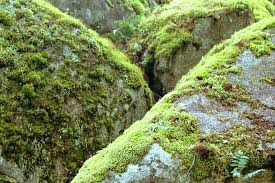
As ecological succession progresses, a pioneer community gradually changes into a climax community. What typically happens during this process?
The number of species increases
The number of species decreases
The organisms in an area decrease in size
The organisms in an area can no longer find food
The process of ecological succession usually begins after all of the following EXCEPT:
Flooding
Forest Fire
Rain Showers
Volcanic eruptions
This type of community is the FINAL community in a succession; it is full of BIODIVERSITY, STABLE, has little change.
primary succession
secondary succession
climax community
pioneer species
What is the main difference between primary and secondary ecological succession?
Primary begins WITHOUT soil; Secondary begins WITH soil
Primary is the first state and secondary is the second stage
Primary builds plant community; secondary builds animal community
Primary begins WITH soil; Secondary begins WITHOUT soil

