
 Worksheets
Reflection of Waves
Total questions: 20
Worksheet time: 15mins
Name
Class
Date
1.
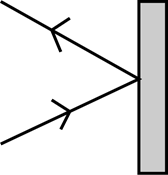
The illustration shows a light ray striking an object.
In the illustration, the light ray striking the object is-
In the illustration, the light ray striking the object is-
a)
absorbed
b)
stopped
c)
reflected
d)
refracted
2.
We can see objects because of_______
a)
reflection
b)
refraction
c)
transmission
d)
diffraction
3.
All waves carry
a)
energy
b)
light
c)
matter
d)
particles
4.

What is this?
a)
Reflection
b)
Refraction
c)
Transmition
d)
Deffractiom
5.

A student placed a pencil in a cup of water. The pencil appears broken because light-
a)
always travels in a straight line
b)
bends when it passes through water
c)
makes the water in the glass evaporate
d)
reflects the pencil on the water's surface
6.
What does it mean to refract?
a)
bounce off
b)
to bend
c)
curve outward
d)
reflect
7.
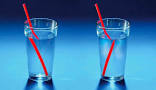
What is this called?
a)
refraction
b)
reflection
c)
reconstroction
d)
retraction
8.

How does light behave as it enters these mediums?
a)
continue its path as straight line.
b)
bends toward the normal
c)
bends away from the normal
d)
reflects
9.
The bouncing off of light rays from the surface of an object such as a mirror or other shiny surface is called:
a)
mirror
b)
laser
c)
reflection
d)
refraction
10.
What happens to frequency when the energy increases?
a)
it increases
b)
it decreases
c)
it stays the same
11.
What is the speed of a wave that has a wavelength of 2 and a frequency of 2.5?
a)
2.5 m/s
b)
5 m/s
c)
4.5 m/s
d)
6 m/s
12.
When wavelength increases, what happens to the frequency?
a)
it increases
b)
it decreases
c)
it stays the same
13.

Which wave has the most energy?
a)
top wave
b)
bottom wave
14.
If there is no wave, the particles would be at the _____________________.
a)
wavelength
b)
resting point
c)
trough
d)
beach
15.
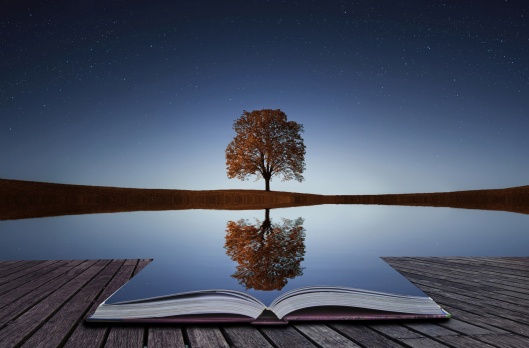
What does it mean to reflect?
a)
bounce off
b)
bend
c)
refract
d)
energy
16.
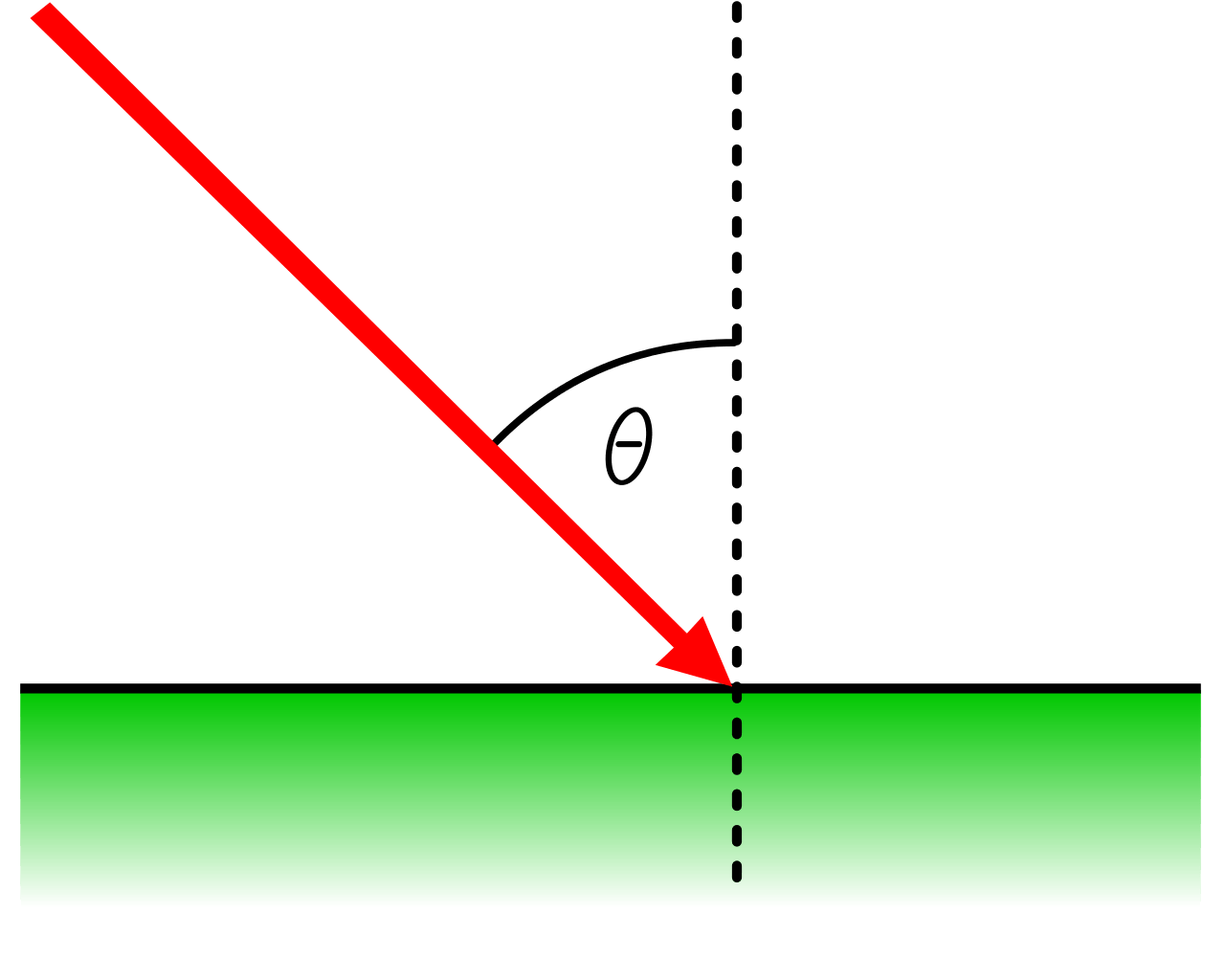
According to the Law of reflection, a light ray striking a mirror
a)
continues moving through the mirror in the same direction
b)
moves into the mirror at a slightly different angle
c)
bounces off the mirror toward the direction it came from
d)
bounces off the mirror at the same angle it hits.
17.
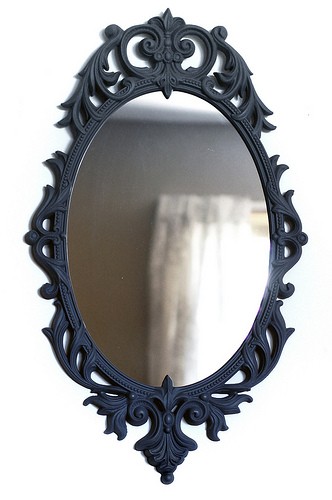
An image that you can see when you look into a mirror, but does not really exist is called which of the following?
a)
Real Image
b)
Fake Image
c)
Virtual Image
d)
Digital Image
18.

The fact the two angles are the same is an example of....
a)
Refraction
b)
Angle of Incidence
c)
Law of reflection
d)
Magnification
19.

What is causing you to be able to see two sets of mountains in this picture?
a)
refraction of light
b)
reflection of light
c)
transmission of light
d)
absorption of light
20.
The color you see is the color that is ___.
a)
reflected
b)
absorbed
100 %

