wayground logo

Free Printable Worksheets

NEW

Font size

S
M
L
XL
Worksheets

Chemical vs Physical changes

Total questions: 30

Worksheet time: 23mins

Name
Class
Date
1.

Changes between states of matter are what type of change?

a)

chemical changes

b)

physical changes

c)

both

d)

neither

2.

When something burns it is which of these?

a)

chemical change

b)

physical change

3.
The spoiling of milk is an example of which type of change?
a)
physical
b)
chemical
c)
both
d)
neither
4.
Is water melting a physical or chemical change?
a)
Physical
b)
Chemical
5.
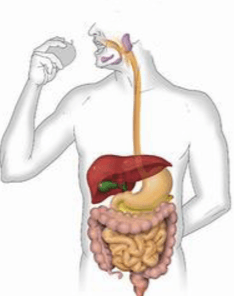
Is digesting your food a physical or chemical change?
a)
Physical
b)
Chemical
6.
Is getting a tan a physical or chemical change?
a)
Physical
b)
Chemical
7.
Is melting iron a physical or chemical change?
a)
Physical
b)
Chemical
8.
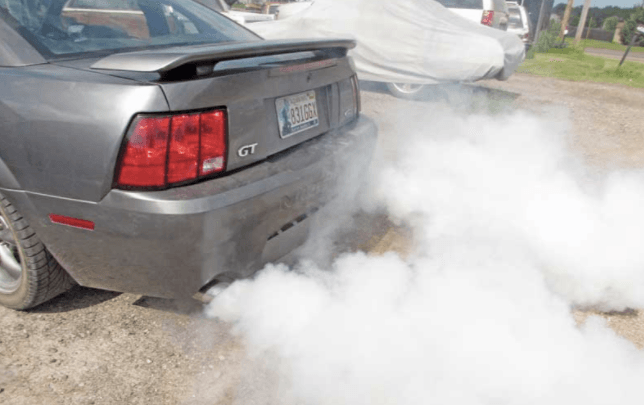
Is a car using fuel a physical or chemical change?
a)
Physical
b)
Chemical
9.
When baking soda and vinegar mix it creates a bubbly mess. Is this a chemical or physical change?
a)
Physical
b)
Chemical
10.
If a new substance is formed would this be a physical or chemical change?
a)
Physical
b)
Chemical
11.
Is salt dissolving in water a physical or chemical change?
a)
Physical
b)
Chemical
12.
Is adding sugar to your coffee a physical or chemical change?
a)
Physical
b)
Chemical
13.
A copper penny turning greenish after a few years is an example of ...
a)
Chemical Change
b)
Physical Change
14.
A change in which NEW substances are formed.
a)
Chemical change
b)
Physical change
c)
Casual change
d)
Formal change
15.
Which of the following is NOT an example of chemical change?
a)
sour milk
b)
burning wood
c)
breaking a pencil
d)
rust
16.

Which of the following is NOT an example of a physical change?

a)

crumpled paper

b)

pencil sharpening

c)

torn clothing

d)

baking a cake

17.

Which of the following IS a physical change?

a)

getting a haircut

b)

rusty metal

c)

sour milk

d)

two liquids combining and forming a gas

18.

Bubbles form when two or more substances are combined and a ________________ occurs.

a)

Chemical Change

b)

Physical Change

19.
Causes a change in odor ...
a)
Chemical Reaction 
b)
Physical Reaction
20.

Which of these is evidence of Chemical Change?

a)

New Substance

b)

Size change

c)

State change

d)

Formation of a mixture

21.

Which of these is evidence of a physical change?

a)

New substance formed

b)

Shape Change

c)

Light produced

d)

Gas released

22.
Physical properties are
a)
properties that can be observed without changing the identity of the substance
b)
properties that describe how a substance changes into a completely different substance
23.
True or False: a physical change may produce a new substance.
a)
True
b)
False
24.
Which of the following is a sign that a chemical reaction has occurred?
a)
change in shape
b)
melting
c)
formation of a gas
d)
dissolving
25.
Fizzing, foaming, and burning are all examples of
a)
Chemical change
b)
Physical change
26.
What kind of properties can only be observed when a substance changes into a different substance?
a)
physical properties
b)
chemical properties
27.
A mixture is the result of a physical change because...
a)
The parts can be separated
b)
A new substance is made
c)
There is a chemical reaction
d)
One part of the mixture disappears
28.
Combining hydrogen and oxygen to create water
a)
Chemical Change
b)
Physical Change
29.

Example for physical property

a)

reacts with an acid

b)

ability to explode

c)

flammibility

d)

taste

30.

Example for chemical property

a)

malleability (ability to be shaped)

b)

texture

c)

combustion

d)

sour taste