Wayground logo

Free Printable Worksheets

Font size

S
M
L
XL
Worksheets

Human Body System

Total questions: 40

Worksheet time: 26mins

Name
Class
Date
1.

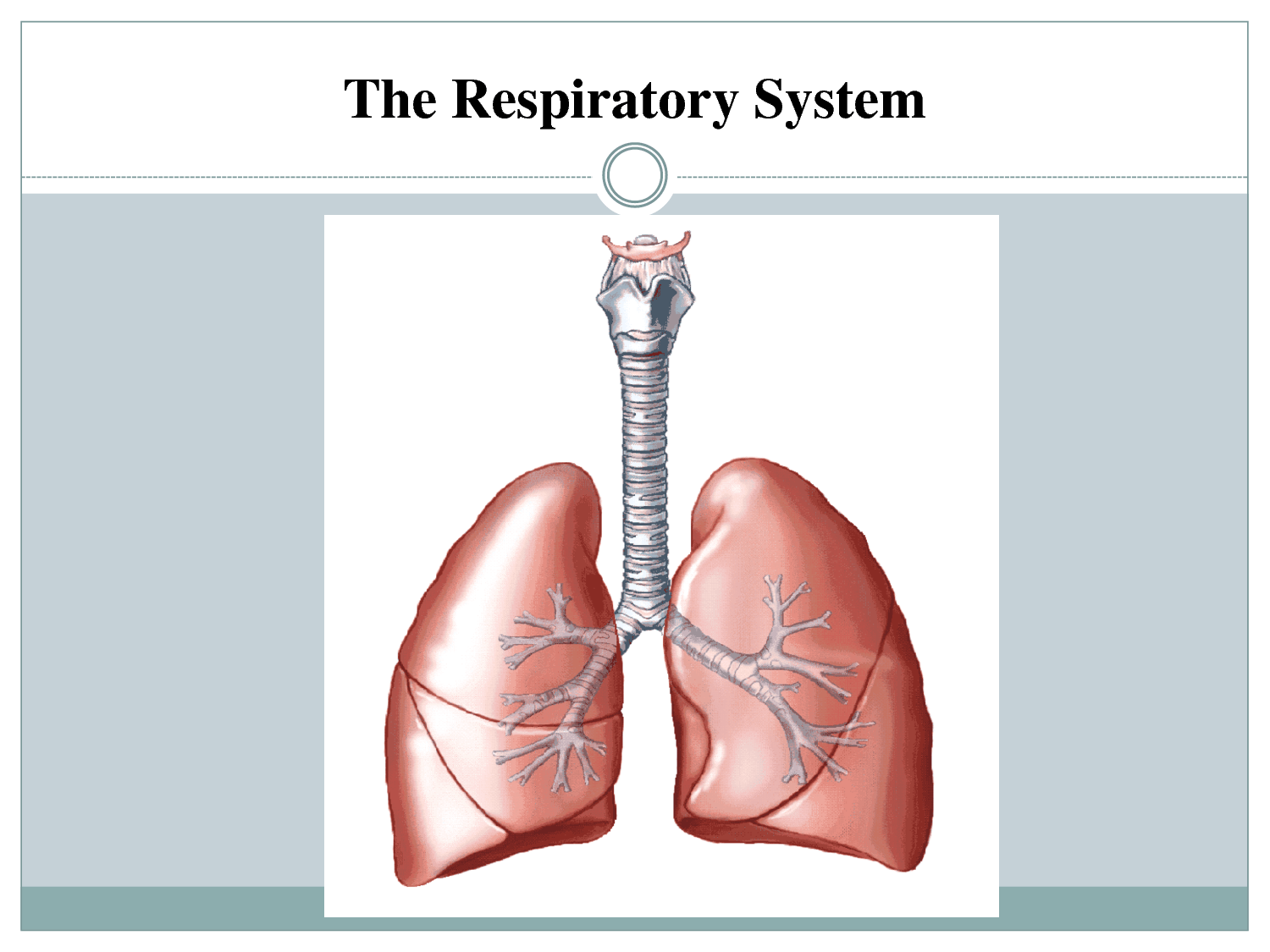
The main organ in human respiratory system is ....

a)

heart

b)

lungs

c)

stomach

d)

kidney

2.

Which system is packed neatly between your head and your hips and breaks down food for energy? It is more than 25 feet long.

a)

skeletal system

b)

circulatory system

c)

nervous system

d)

digestive system

3.

Which systems work together?

a)

the digestive system and the muscular system

b)

the skeletal system and the circulatory system

c)

the muscular system and the nervous system

d)

all of the systems work together

4.

What is the name of the long tube in the digestive system that connects the mouth to the stomach?

a)

ligament

b)

small intestine

c)

esophagus

d)

tendon

5.

Which system breaks down the food you eat so your body will have energy?

a)

digestive system

b)

skeletal system

c)

nervous system

6.

How many chambers does your heart have?

a)

1

b)

2

c)

3

d)

4

7.
Which two human body systems are most responsible for getting oxygen to cells?
a)
digestive and skeletal
b)
skeletal and circulatory
c)
circulatory and respiratory
d)
respiratory and digestive
8.
How does the circulatory system work with the digestive system?
a)
Blood is used to build muscle strength.
b)
Food is broken down in the bloodstream
c)
Blood carries nutrients throughout the body.
d)
Food waste is filtered by the heart and blood vessels.
9.
Which example best shows structures that make up the digestive system in the human body?
a)
heart, blood, vessels
b)
nose, trachea, lungs
c)
brain, spinal cord, nerves
d)
esophagus, stomach, intestines
10.
The stomach, liver, small intestine and pancreas are all part of which system?
a)
Muscular
b)
Digestive
c)
Circulatory
d)
Excretory
11.
Which organs' primary job is producing and removing liquid waste from the body?
a)
Heart, blood and blood vessels
b)
Esophagus, Stomach, Small intestines
c)
Brain, spinal cord and nerves
d)
Kidneys, ureters, bladder and urethra
12.
This system works with the circulatory system to provide oxygen to the body's cells and to remove carbon dioxide.
a)
The respiratory system
b)
The nervous system
c)
The digestive system
d)
The muscular system
13.
Which system provides oxygen and removes carbon dioxide?
a)
digestive
b)
muscular
c)
respiratory
d)
nervous
14.
Which system carries blood to and from body cells?
a)
muscular
b)
circulatory
c)
skeletal
d)
respiratory
15.
Which system provides nutrients to the body?
a)
circulatory
b)
nervous
c)
digestive
d)
skeletal
16.
Which organ is in the digestive system?
a)
heart
b)
lungs
c)
brain
d)
stomach
17.
Which organ pumps blood throughout your body?
a)
cell
b)
brain
c)
tissue
d)
heart
18.
As you exercise, your circulatory system works with which other system to take in oxygen?
a)
muscular
b)
digestive
c)
respiratory
d)
endocrine
19.
Where does digestion start?
a)
mouth
b)
throat
c)
stomach
d)
intestines
20.
Which part of your digestive system absorbs nutrients into your bloodstream?
a)
stomach
b)
intestine
c)
mouth
d)
bladder
21.
What organ is this?
a)
stomach
b)
large intestine
c)
small intestine
d)
esophagus
22.
What organ is this?
a)
stomach
b)
small intestine
c)
large intestine
d)
esophagus
23.
What helps to lubricate your food so that it can go down your esophagus?
a)
mouth
b)
teeth
c)
saliva
d)
none of the above
24.
Which is responsible for providing oxygen to cells?
a)
respiratory system
b)
circulatory system
c)
muscular system
d)
nervous system
25.
In which system of the human body does the heart belong?
a)
Nervous
b)
Skeletal
c)
Cardiovascular
d)
Digestive
26.
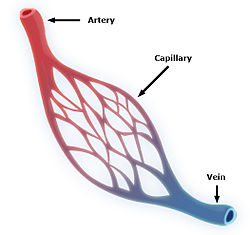
This type of vessel carries blood TO the heart:
a)
vein
b)
nerve
c)
muscle
d)
artery
27.
When oxygen-rich blood is carried AWAY from the heart, it travels through an...
a)
artery
b)
neuron
c)
vein
d)
straw
28.
The smallest type of blood vessel is the:
a)
nerve
b)
vein
c)
capillary
d)
artery
29.

tiny sacs of lung tissue specialized for the movement of gases between air and blood.

a)

lungs

b)

bronchi

c)

alveoli

d)

diaphragm

30.

the windpipe; a passage through which air moves in the respiratory system.

a)

trachea

b)

lungs

c)

larynx

d)

bronchi

31.

Letter D is pointing to which Respiratory organ?

a)

Alveoli

b)

Diaphragm

c)

Lung

d)

Bronchi

32.

Which organ pumps blood throughout your body?

a)

cell

b)

brain

c)

tissue

d)

heart

33.
What is the organ where water is absorbed from the digested food and returned to the bloodstream?
a)
mouth
b)
small intestine 
c)
esophagus
d)
large intestine
34.
Which organ is a secondary organ that stores bile?
a)
stomach
b)
gallbladder
c)
pancreas
d)
liver
35.
Which organ does most of the chemical digestion of food and allows nutrients to be absorbed into the body?
a)
stomach
b)
esophagus
c)
small intestine
d)
liver
36.
What is the short tube that stores solid waste until it is eliminated from the body through the anus?
a)
rectum
b)
liver
c)
esophagus
d)
stomach
37.

Number 5 is pointing to the...

a)

Liver

b)

mouth

c)

Pancreas

d)

Stomach

38.
What do the arteries do?
a)
pumps blood to the heart
b)
pumps blood to and from the heart
c)
carry's blood away from the heart 
d)
a muscle 
39.
The main function of the circulatory system is 
a)
To give the body structure and support
b)
Excrete waste
c)
transport blood, nutrients, and gases throughout the body
d)
to transport messages from the body to the brain
40.
What is the main function of the respiratory system?
a)
to provide oxygen and remove carbon dioxide from the body
b)
to bring oxygen to the body
c)
to break down food and absorb nutrients
d)
to remove oxygen from the body and deliver carbon dioxide