
 Worksheets
Physical and Chemical Change
Total questions: 26
Worksheet time: 57mins
Name
Class
Date
1.
A change that alters the physical properties of a substance without changing its composition.
a)
Physical Change
b)
Chemical Change
2.
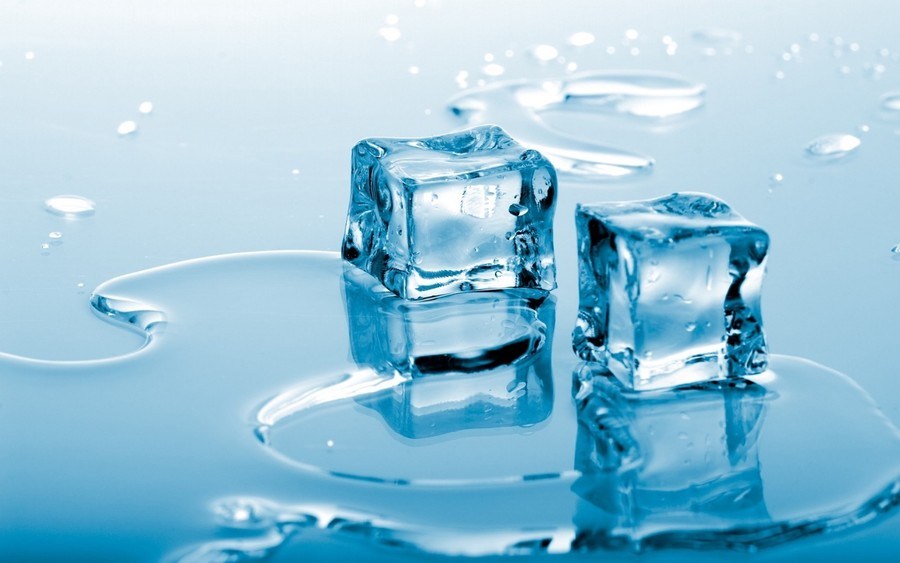
Water freezing into ice is an example of a...
a)
Physical Change
b)
Chemical Change
3.
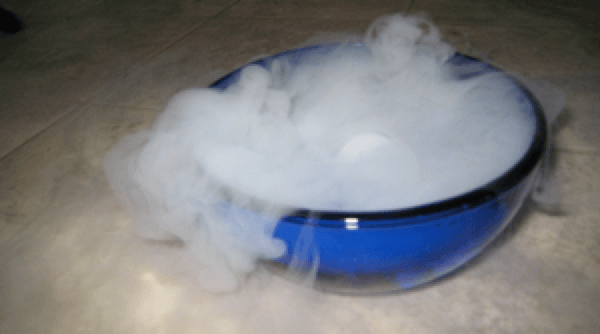
Which of the following is an example of sublimation?
a)
Dry Ice
b)
Water boiling into steam
c)
Ice cream melting
d)
Water freezing into ice
4.
Any change in the state of matter of a substance is a...
a)
Physical Change
b)
Chemical Change
5.
A change in matter that forms one or more new substances with new chemical properties is a/an...
a)
Physical Change
b)
Chemical Change
6.
Which of the following indicates a PHYSICAL change?
a)
Change in temperature
b)
Change in shape
c)
Formation of a precipitate
d)
Change in color
7.
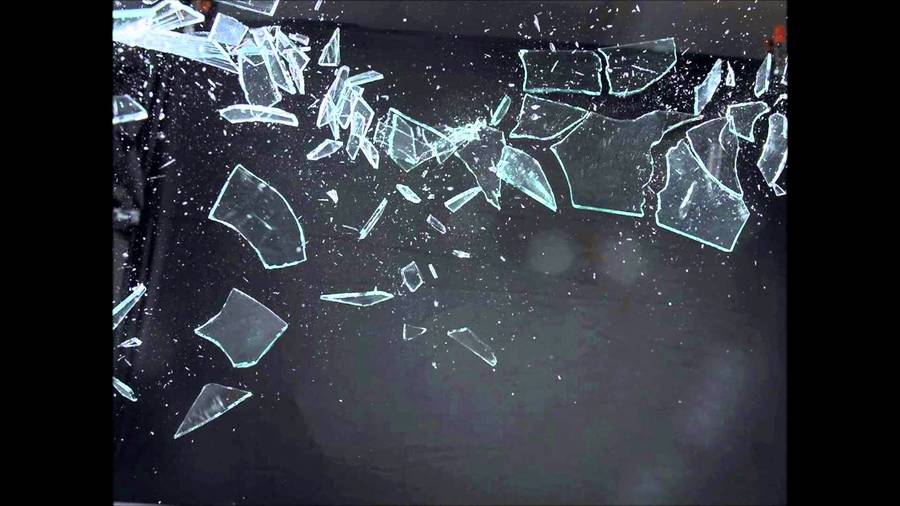
Chemical or Physical? Glass breaking into tiny shards
a)
Chemical Change
b)
Physical Change
8.

Physical or Chemical Change? Iron rusts
a)
Physical Change
b)
Chemical Change
9.
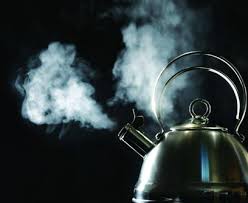
Physical or Chemical Change?
a)
Physical Change
b)
Chemical Change
10.

Physical or Chemical Change? Cutting an orange into wedges.
a)
Physical Change
b)
Chemical Change
11.

Physical or Chemical Change? Making a paper airplane.
a)
Physical Change
b)
Chemical Change
12.

Physical or Chemical Change? Sodium metal burning in water.
a)
Physical Change
b)
Chemical Change
13.

Freezing Juice?
a)
Physical Change
b)
Chemical Change
14.

Rotting bananas?
a)
Physical Change
b)
Chemical Change
15.

Cutting your hair?
a)
Physical Change
b)
Chemical Change
16.
If enough heat is taken away from a container of water, what will happen to the water?
a)
It will begin to boil.
b)
It will become a solid.
c)
It will turn into a gas.
d)
It will increase in weight.
17.
Students observed as small drops of water collected on the outside of a glass.
Which statement BEST describes why the water vapor in the air formed liquid water on the outside of the glass?
Which statement BEST describes why the water vapor in the air formed liquid water on the outside of the glass?
a)
The humidity outside the glass turns the vapor to liquid water.
b)
The water vapor pulls the water from inside the glass to outside the glass.
c)
The temperature of the water inside the glass is colder than the air outside the glass.
d)
The temperature of the water inside the glass is warmer than the air outside the glass.
18.
A teacher is demonstrating physical and chemical changes to her class. Which action should she use to demonstrate a chemical change?
a)
cutting a piece of paper
b)
folding a piece of paper
c)
tearing a piece of paper
d)
burning a piece of paper
19.
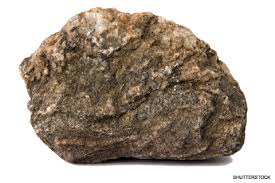
Which state of matter has tightly packed molecules?
a)
solid
b)
liquid
c)
gas
20.
Define a liquid.
a)
Indefinite shape, indefinite volume
b)
Definite shape, definite volume
c)
Found in stars
d)
Definite volume, indefinite shape
21.
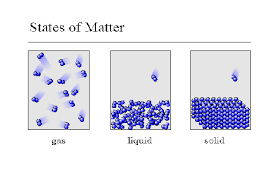
At higher temperatures
a)
particles in an object have less energy
b)
particles in an object move faster
c)
a gas contracts
22.
What is happening when my ice cream changes from a solid to a liquid?
a)
freezing
b)
melting
c)
burning
d)
evaporation
23.
Particles of a liquid
a)
are tightly packed together and stay in a fixed position.
b)
have no viscosity.
c)
are very far apart and move around quickly.
d)
are free to move around one another but still touch.
24.
What term describes a solid changing to a gas?
a)
Deposition
b)
Sublimation
c)
Evaporation
d)
Freezing
25.
Which state of matter has a greater distance between particles?
a)
Solid
b)
Liquid
26.
Particles have energy and _________ stop moving
a)
rarely
b)
always
c)
never
d)
sometimes
100 %

