Wayground logo

Free Printable Worksheets

Font size

S
M
L
XL
Worksheets

BIOLOGY DIAGNOSTIC TEST

Total questions: 20

Worksheet time: 7mins

Name
Class
Date
1.
What do carbohydrates provide for the body?
a)
Helps build and repair body tissue
b)
Helps hydrate your body
c)
Provides your body's main source of energy
d)
Helps vital processes 
2.
The phase in mitosis where chromosomes move away and are pulled apart by spindles to opposite sides of the cell.
a)
prophase
b)
anaphase
c)
metaphase
d)
telephase
3.
Which event takes place during Anaphase II
a)
nuclear membrane breaks down
b)
spindle fibers disassemble 
c)
sister chromatids separate
d)
cytoplasm divides
4.
The organelle that provides energy for the cell in the form of ATP is called...
a)
Cell Membrane
b)
Cell Wall
c)
Mitochondria
d)
Nucleus
5.
Where are proteins made?
a)
Golgi body
b)
Mitoichondrion
c)
Chromosomes
d)
Ribosomes
6.
Cells can be separated into two main categories, eukaryotic and prokaryotic, based on their
a)
type of DNA
b)
cell membranes
c)
enzymes 
d)
internal structures 
7.
Which of the following types of cells does meiosis produce?
a)
diploid cells
b)
haploid cells
c)
identical cells
d)
body cells
8.

Which one of the following carries blood away from the heart?

a)

Aorta

b)

Capillary

c)

Vena Cava

d)

Pulmonary vein

9.
DNA is contained in a different way in prokaryotic cells than it is in eukaryotic cells because
a)
prokaryotes are single-celled organisms 
b)
only eukaryotic cells have a cell membrane 
c)
DNA is found only in eukaryotic cells 
d)
prokaryotic cells lack a nucleus 
10.

The three main types of cells are...

a)

Plant, Whale, Grass

b)

Plant, Animal, Bacteria

c)

Human, Dirt, Mountains

d)

Ocean, Sky, Desert

11.

When your body tries to keep it's internal conditions within certain limits that is called...

a)

Homeostasis

b)

Sleeping

c)

Hibernating

d)

Running

12.

What is the nucleus?

a)

The control center of a cell because it contains genetic material called DNA

b)

Small molecules

13.
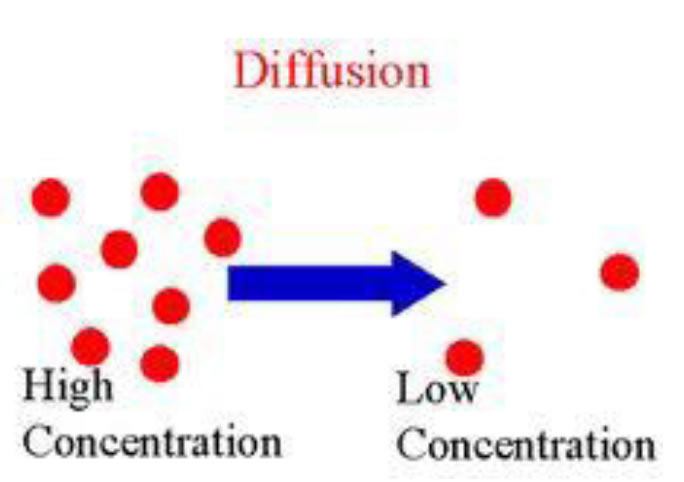
Movement of particles from high to low concentration. 
a)
Passive Transport
b)
Active Transport
14.
The cell membrane is selectively permeable, which means...
a)
All materials can enter and leave the cell
b)
Certain things can enter while others cannot
c)
The cell manually sorts through all materials
d)
Only certain cells can interact with the cell.
15.

Which of the following are reactants of photosynthesis?

a)

CO2 and H2O

b)

O2

c)

H2O and Glucose

d)

None of the above

16.

Which part of a plant anchors the plant to the ground and soaks up water and minerals?

a)

stem

b)

leaves

c)

roots

d)

petals

17.

Where is the main site of photosynthesis on a plant?

a)

Stem

b)

Leaves

c)

Petals

d)

Pollen

18.

In which organelle does photosynthesis occur?

a)

Cell Wall

b)

Chlorophyll

c)

Chloroplast

d)

Cytoplasm

19.

Which of the following is not a macromolecule?

a)

protein

b)

starch

c)

nucleotide

d)

glycerol

20.

Which part of the cell is responsible in the synthesis of proetins?

a)

Cell wall

b)

endoplasmic reticulum

c)

ribosomes

d)

nucleus