
Font size
 Worksheets
human anatomy
Total questions: 82
Worksheet time: 2hrs 52mins

What is the name of heart chamber E ?
Right Atrium
Left Atrium
Right Ventricle
Left Ventricle
What is the name of heart chamber H ?
Right Atrium
Left Atrium
Right Ventricle
Left Ventricle
What is the name of heart chamber F ?
Right Atrium
Left Atrium
Right Ventricle
Left Ventricle
What is the name of heart chamber G?
Right Atrium
Left Atrium
Right Ventricle
Left Ventricle

What is the name of vessel I?
Arch of the Aorta
Superior Vena Cava
Inferior Vena Cava
Pulmonary Arteries
What is the name of vessel J?
Arch of the Aorta
Superior Vena Cava
Inferior Vena Cava
Pulmonary Arteries
What is/are the name(s) of vessel L?
Arch of the Aorta
Superior Vena Cava
R and L Pulmonary Veins
R and L Pulmonary Arteries
What is/are the names of vessels M?
Arch of the Aorta
R and L Pulmonary Veins
Inferior Vena Cava
R and L Pulmonary Arteries
What is the name of vessel N?
Aorta
Superior Vena Cava
Inferior Vena Cava
Pulmonary Artery
How many heart chambers do mammals have?
five
four
three
two

These vessels return oxygenated blood from right and left lungs to the left atrium.
Pulmonary artery
Pulmonary veins
Aorta
Interior/superior vena cava

Identify # 9?
Right ventricle
Left ventricle
Right atrium
Lett atrium

Identify #1?
Aorta
Superior vena cava
Pulmonary artery
Pulmonary veins

Identify #8?
Right atrium
Left atrium
Semilunar valve
Pulmonary vessels
What part of the heart delivers richly oxygenated blood to the body?
Tricuspid Valve
Superior Vena Cava
Aorta
Pulmonary artery
What part of the heart delivers oxygenated blood to the heart?
Pulmonary artery
Pulmonary Vein
Aorta
Tricuspid Valve


mechanical digestion happens here
stomach
liver
esophagus
pancreas
produces enzymes that break down food
liver
pancreas
gall bladder
stomach
absorbs nutrients
stomach
small intestine
large intestine
liver
What enzyme is found in saliva that starts digesting carbohydrates?
amylase
chyme
pepsin
bile

What is organ R?
(a)

What is this organ?
The liver produces:
bile
ptyalin
hydrochloric acid

What is this organ?
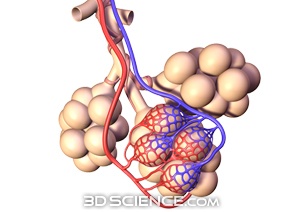
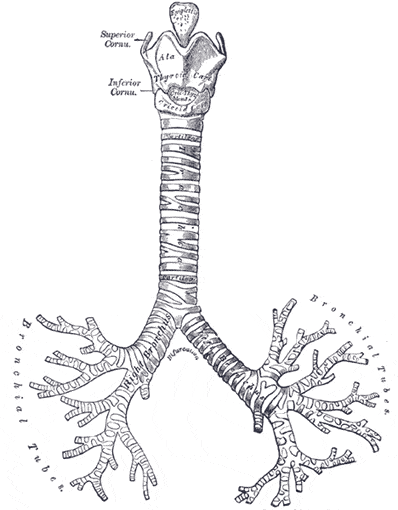
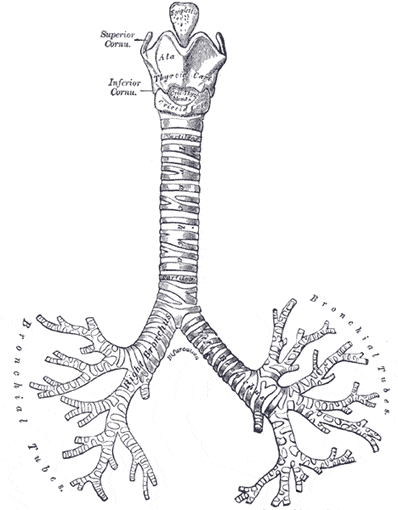
The trachea branches off into two large tubes in the lungs called.....

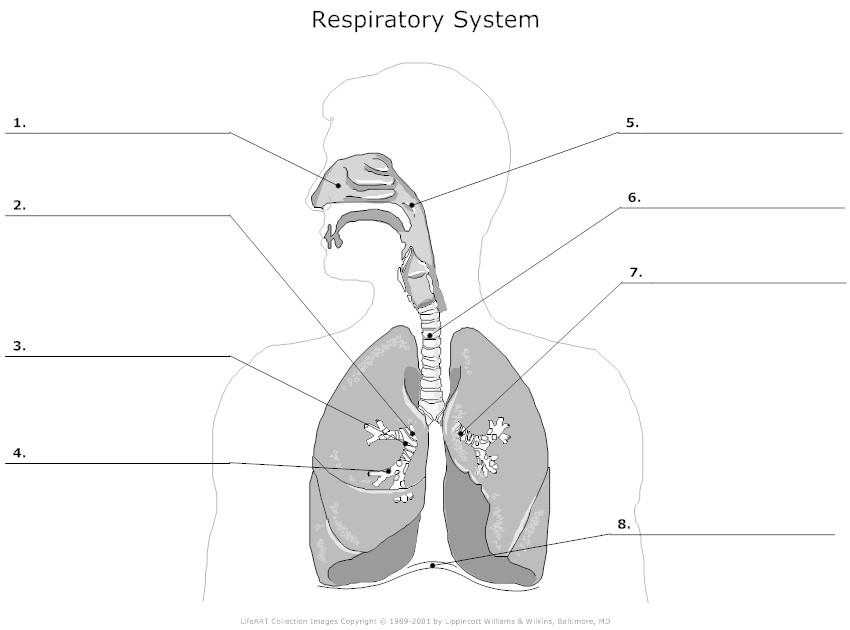

What type of cells carry oxygen in the blood?
red blood cells
white blood cells
The circulatory system works with the ___________ system to provide our body with oxygen and get rid of CO2 (carbon dioxide).
respiratory
digestive
muscular
skeletal

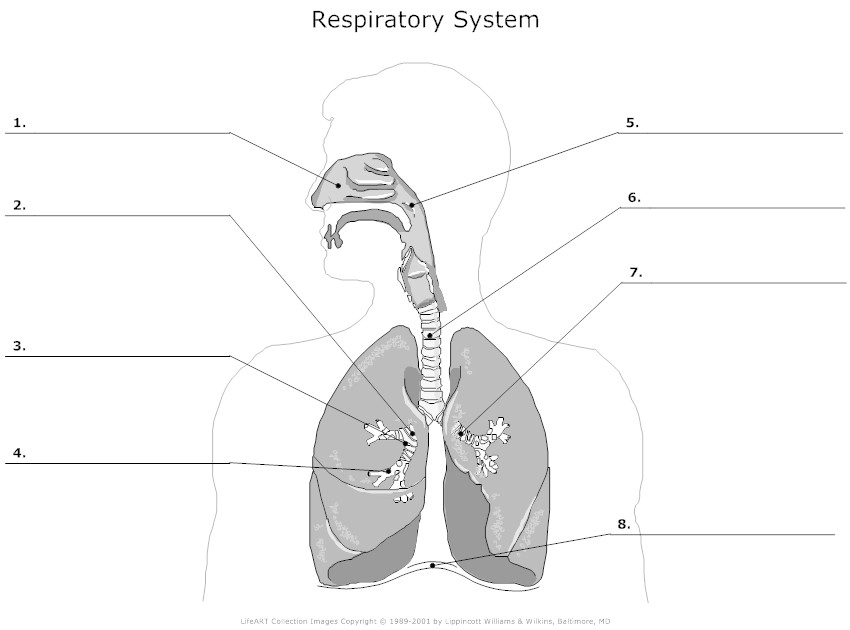
What is #11 pointing at
trachea
bronchi
diaphragm
alveoli
What is #9 pointing at
trachea
bronchi
diaphragm
alveoli
Tiny hairlike structures that line your nose and most other airways of the respiratory system.
larynx
alveoli
cilia
diaphragm
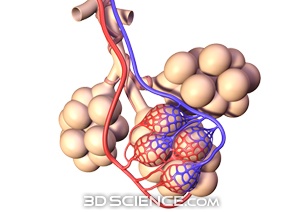
What is the site of gas exchange?
alveoli
nose
lung
bronchi

identify the skeletal bone in the picture that is highlighted green and blue; also known as the breastbone
clavilce
Sternum
Rib Cage
verterbrae

Identify the skeletal bone in the picture; has immovable (fused) joints
ribs
tibia
femur
cranium

Identify the skeletal bone in the picture highlighted green
fibula
femur
tibia
phalanges

Identify the skeletal bone in the picture highlighted blue
mandible
humerus
cranium
femur

Identify the skeletal bone in the picture highlighted red that is the upper arm or forelimb, forming joints at the shoulder and the elbow
ribs
phalanges
patella
humerus

Identify the skeletal bone in the picture highlighted in green; cartilage surrounds this bone to act as a shock absorber
femur
mandible
humerus
patella

Identify the skeletal bone in the picture highlighted in red
sternum
ribs
femur
vertebrae

Identify the skeletal bone in the picture highlighted in orange
ribs
mandible
vertebrae
humerus

What bone makes up your fingers and your toes?
phalanges
tibia
femur
scapula

What bone is also known as your shoulder blade?
Sternum
Scapula
Thorax
Vertebrae

What bone is also known as your collar bone and links the sternum?
scapula
vertebrae
humerus
clavicle

What is the name for the connector that attaches muscle to bone?
ligament
tendon
joint
bones

What is the place where two bones meet?
bones
tendons
ligament
joint

What bone is highlighted?
Femur
Cranium
Ribs
Skull

What is the name for the connector that attaches bone to bone?
ligament
tendon
joint
cartilage
What does the cranium protect?
heart
eyes
brain
lungs
What is the largest and strongest bone in the body?
skull
vertebrae
femur
ribs
What is a flexible connective tissue that is found in your nose and ears?
cartilage
joints
ligaments
cranium
What is the purpose of the rib cage?
Helps us to think
make blood for the body
Protects our brain
Protects our vital organs like heart and lungs
What connects bones together?
ligaments
joints
tendons
cartilage
What connects bones to muscles?
joints
cartilage
tendons
ligaments

What joint is displayed in picture
Hinge Joint
Saddle joint
Ball and socket joint

What type of joint is displayed in the picture?
Pivot joint
Ellipsoid joint
Hinge joint
Which is an example of a hinge joint
knee and elbow
shoulder and hip
neck
ankle and wrist


