wayground logo

Free Printable Worksheets

NEW

Font size

S
M
L
XL
Worksheets

Scientific Method Examples Practice

Total questions: 16

Worksheet time: 12mins

Name
Class
Date
1.

Albert set up this experiment to determine the effect of colored light on plant growth.


Albert predicts that green light will make the plants grow more. What part of the scientific method is this?

a)

hypothesis

b)

conclusion

c)

research

d)

problem

2.

Albert set up this experiment to determine the effect of colored light on plant growth.


Albert notices that in trial 2, plants were growing taller than in trial 1 and 3. What step of the scientific method is this?

a)

hypothesis

b)

experiment

c)

research

d)

problem

3.

Albert set up this experiment to determine the effect of colored light on plant growth.


Albert notices that at the end of his experiment, plants exposed to green light grew the tallest. What part of the scientific method is this?

a)

hypothesis

b)

experiment

c)

conclusion

d)

problem

4.

Albert set up this experiment to determine the effect of colored light on plant growth.


Albert wants to know which kind of light will make plants grow taller. What part of the scientific method is this?

a)

hypothesis

b)

experiment

c)

conclusion

d)

problem

5.
If plants are exposed to sunlight, then they will grow taller.
What part of the scientific method is this an example of?
a)
Procedure
b)
Hypothesis
c)
Question
d)
Results
6.

An inference

a)

can be an opinion

b)

is explaining an observation

c)

is the third step in the scientific method

d)

is stating a quantity

7.

An observation is

a)

the same as an opinion

b)

only uses what you see with your eyes

c)

using one of your senses to gather information

d)

compares data to reach a conclusion
8.
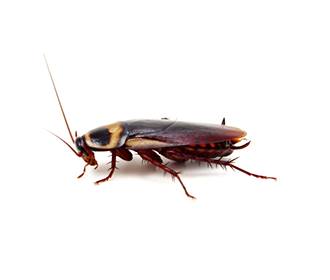
Johathan’s data showed that household cockroaches moved away from raw cucumber slices.
a)
recognize a problem
b)
test the hypothesis with an experiment
c)
form a hypothesis
d)
draw conclusions
9.
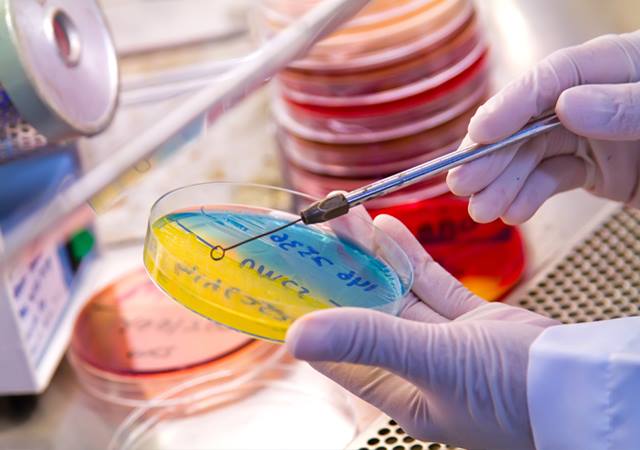
Rene grew bacteria from the mouth on special plates in the laboratory.  She placed drops of different mouthwashes on bacteria on each plate.
a)
recognize a problem
b)
test the hypothesis with an experiment
c)
form a hypothesis   
d)
draw conclusions
10.
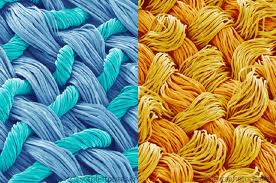
Dana want to know how different are synthetic fibers from natural fibers.
a)
recognize a problem
b)
test the hypothesis with an experiment
c)
form a hypothesis
d)
draw conclusions
11.
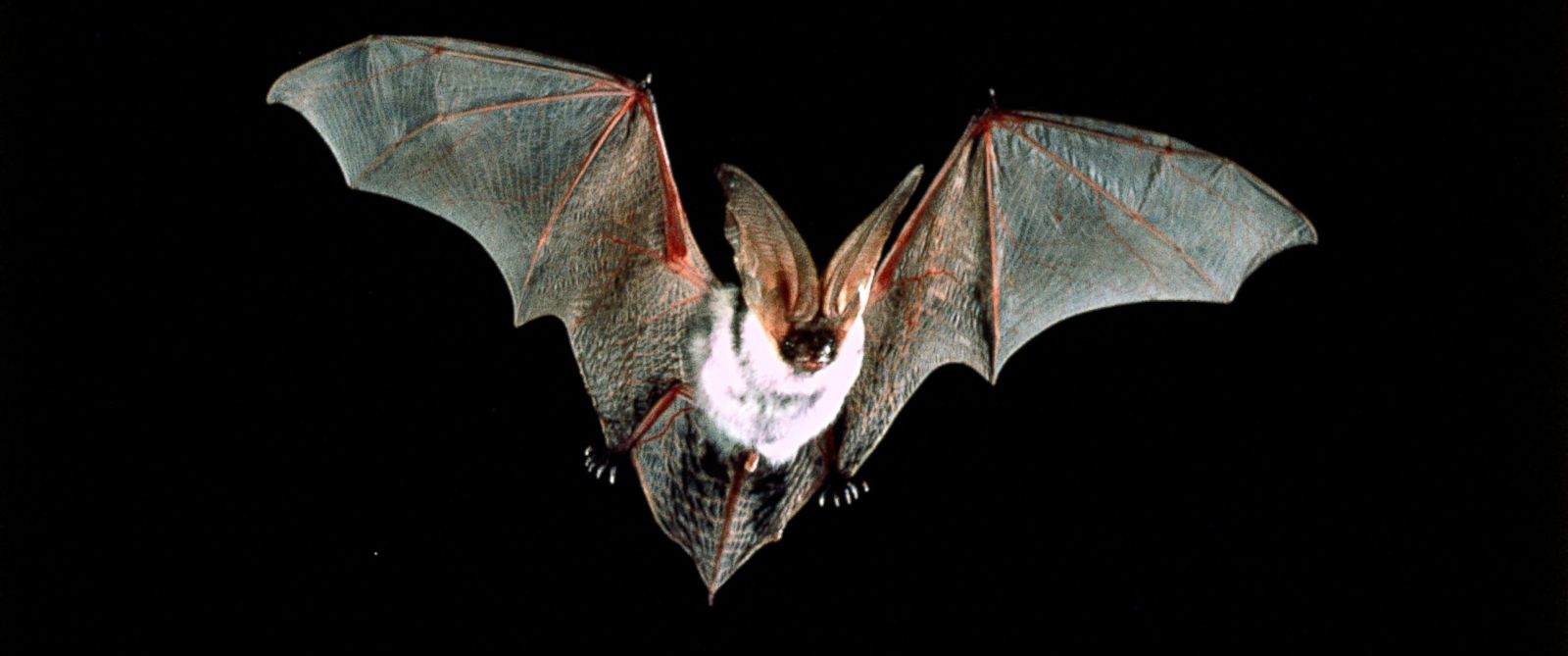
Jose saw bats catching insects after dark.  He asked, “How do bats find insects in the dark?”
a)
recognize a problem
b)
test the hypothesis with an experiment
c)
form a hypothesis
d)
draw conclusions
12.
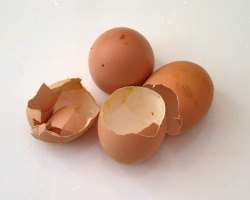
Kim’s experiment showed that chicken egg shells were stronger when she gave the hen feed to which extra calcium had been added.
a)
recognize a problem
b)
test the hypothesis with an experiment
c)
form a hypothesis
d)
draw conclusions
13.

The scientific method is a series of

a)

stations

b)

phrases

c)

steps

d)

answers

14.
Should experiments be repeated over and over to see if the results are the same each time?
a)
yes
b)
no
15.
Science is a continually ongoing process.
a)
True
b)
False
16.
Which of these contains steps in the right order?
a)
Ask a question, state your hypothesis, research, experiment, analyze, make a conclusion
b)
State your hypothesis, ask a question, research, experiment, analyze, make a conclusion
c)
Ask a question, research, state your hypothesis, experiment, analyze, make a conclusion
d)
State your hypothesis, ask a question, research, make a conclusion, experiment, analyze