Wayground logo

Free Printable Worksheets

Font size

S
M
L
XL
Worksheets

Bio-Human & Fish: Respiratory system

Total questions: 22

Worksheet time: 10mins

Name
Class
Date
1.

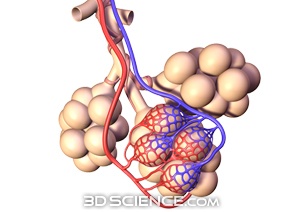
tiny sacs of lung tissue specialized for the movement of gases between air and blood.

a)

lungs

b)

bronchi

c)

alveoli

d)

diaphragm

2.

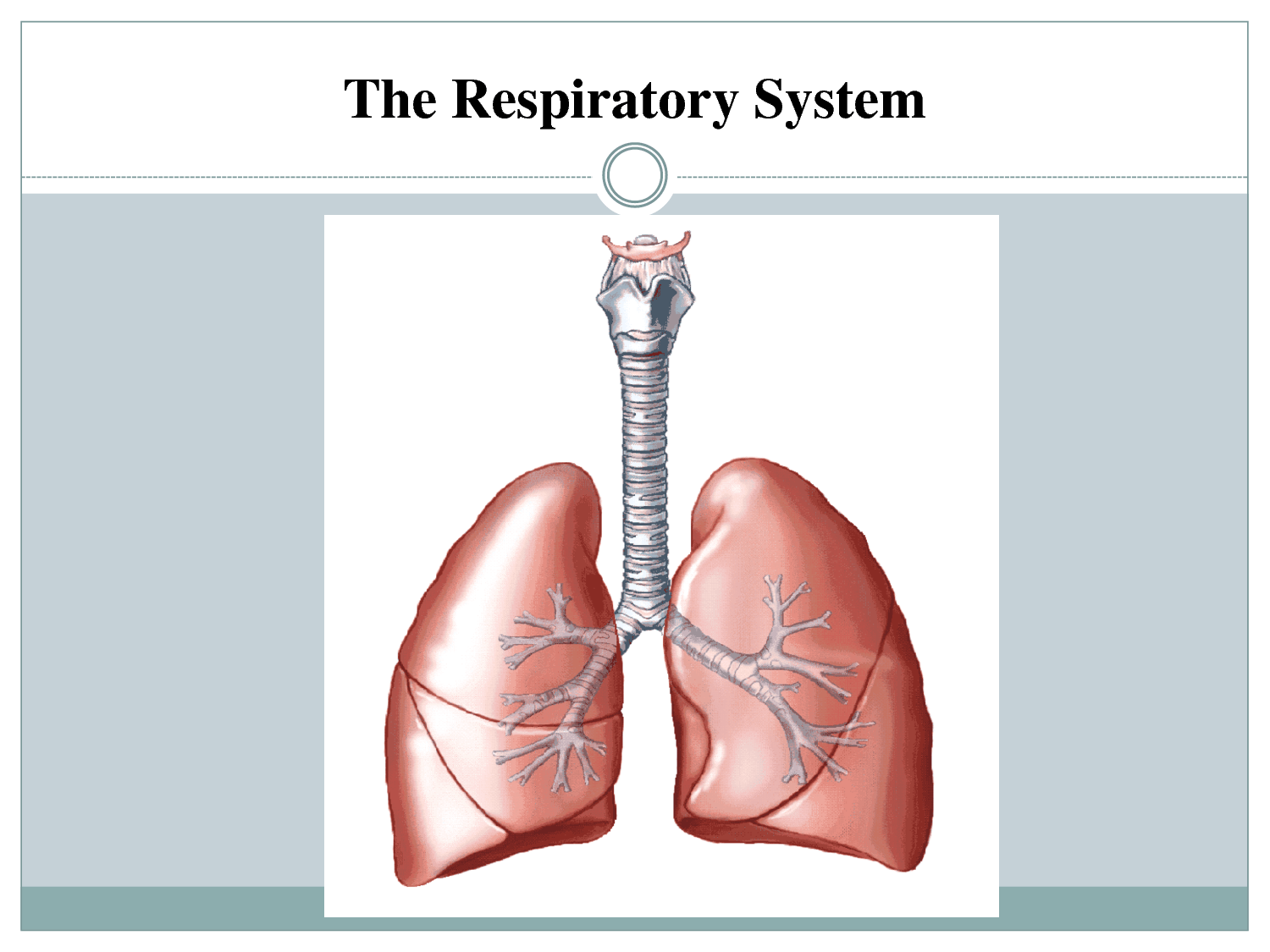
the windpipe; a passage through which air moves in the respiratory system.

a)

trachea

b)

lungs

c)

larynx

d)

bronchi

3.

Where does the transfer of oxygen into the bloodstream take place?

a)

In the heart

b)

In the trachea

c)

In the alveoli

d)

In the nasal passages

4.

The walls of the alveoli and capillaries are permeable. What does this mean?

a)

Substances can pass through them.

b)

They are made of muscle.

c)

They are located throughout the body.

d)

They are made of bone.

5.
When you breathe, your lungs take in ___ and remove ___. 
a)
air/oxygen
b)
oxygen/carbon dioxide 
c)
carbon dioxide/waste 
d)
waste/air 
6.
What is the main function of the respiratory system?
a)
to provide oxygen and remove carbon dioxide from the body
b)
to bring oxygen to the body
c)
to break down food and absorb nutrients
d)
to remove oxygen from the body and deliver carbon dioxide
7.
Clusters of tiny air sacs that allow the exchange of oxygen and carbon dioxide
a)
Pharynx
b)
Diaphragm
c)
Alveoli
d)
Lungs
8.
Muscular structure that helps to expand and contract the lungs, forcing air in and out
a)
Pharynx
b)
Nasal cavity
c)
Alveoli
d)
Diaphragm
9.
Given the following structures:
1. larynx
2. nasal cavity
3. pharynx
4. trachea
Which of the following is the correct order that air would flow during inhalation. 
a)
1,2,3,4
b)
2,3,1,4
c)
2,1,3,4
d)
4,2,3,1 
10.
The use of oxygen by the cells to release enery from food is called...
a)
photosynthesis
b)
cellular respiration
c)
diffusion
d)
osmosis
11.
The release of energy in the cells for repair, mitosis and maintainance requires...
a)
oxygen and glucose
b)
carbon dioxide and water
c)
oxygen and carbon dioxide
d)
oxygen and water
12.
Which organelle uses oxygen to release enery from food?
a)
nucleus
b)
ribosome
c)
mitochondrion
d)
endoplasmic reticulum
13.
The movement of oxygen from the alveoli to the blood and from the blood to the tissues is due to the process of... 
a)
osmosis
b)
diffusion
c)
cytokinesis
d)
phagocytosis
14.
Dissolved particles move across a membrane from a higher concentration to a lower concentration. 
a)
True
b)
False
15.

With an increase of surface area to volume ratio, what happens to rate of gas exchange?

a)

the rate of gas exchange increases

b)

gas exchange decreases

c)

fish breathe faster

d)

diffusion of oxygen decreases

16.

When particles move from area of high concentration to area of low concentration, this is...

a)

osmosis

b)

diffusion

c)

concentration gradient

17.
What is the function of gills in fish?
a)
absorbing carbon dioxide
b)
assisting in food digestion
c)
protecting a fish's lungs
d)
taking in dissolved oxygen
18.

Which gas exchange method is most efficient?

a)

Parallel flow

b)

Counter-current flow

19.

In this word equation for respiration, what is y representing?

Glucose + x --> y + water + energy

a)

carbon dioxide

b)

methane

c)

oxygen

d)

ATP

20.

What is meant by a counter-current system?

a)

A short distance for gases to diffuse

b)

When water flows in an opposite direction to blood flow

c)

having a higher concentration inside the lungs than outside

21.

Which one of the following is true for gas exchange?

a)

the movement of lungs.

b)

the exchange of oxygen and carbon dioxide in lungs

c)

the release of energy in cells

22.

What is the advantage of countercurrent flow?

a)

maintains a steep concentration gradient along the length of the diffusion pathway

b)

reduces the concentration gradient along the length of the diffusion pathway

c)

slows down the rate of diffusion