
Font size
 Worksheets
Atomic Structure
Total questions: 37
Worksheet time: 21mins
Subatomic particles with a negative charge
Electrons
Neutrons
Protons
Quarks
The subatomic particles found on the outermost shell & responsible for the atom's reactivity
neutrons
valence electrons
isotopes
ions
The smallest particle of an element that shows all the properties of that element.
Subatomic Particles
Atom
Molecule
Compound

What is the atomic number?
35.452
17.452
17
3

How many protons and electrons does this element have?
35.452
17
17.452
3

How many neutrons does Chlorine have?
18.452
17
35.452
3

What is the atomic mass of Neon?
2
10
10.179
20.179

How many neutrons does calcium have?
20.078
40.078
4
20
What electrical charge does one proton have?
+1
0
-1
+2
What mass does one neutron have?
1
0
-1
+2

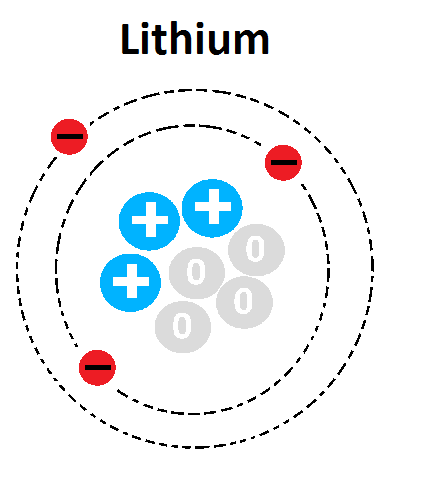
What is the atomic number of this atom?
1
3
4
7
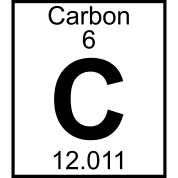

What does the 6 represent?
Atomic mass
atomic number
chemical symbol
element name
An atom has 10 protons, 15 neutrons and 10 electrons what is its mass number.
20
10
35
25
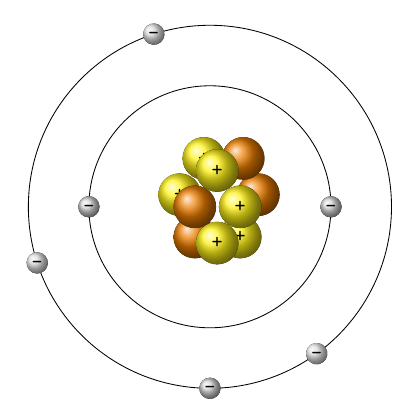
How many electrons does this atom have?
2
4
6
10
Which subatomic particles effect the stability of an atom? Click all that apply
Protons
Neutrons
Electrons
Electron Cloud
What has Two or more forms of the same element that contain equal numbers of protons but different numbers of neutrons?
Ions
Isotopes
Nucleus
Neutron
What is an atom or molecule with a net electric charge due to the loss or gain of one or more electrons?
Ion
Isotope
Nucleus
Neutron
What seems to make the center of the atom unstable?
Unequal amount of protons and neutrons
Unequal amount of protons and electrons
Unequal amount of neutrons and electron
Unequal everything
Anions tend to have
High Valence
Neutral Valence
Postive Valence
Negative Valence
Cations tend to have:
High Valence
Neutral Valence
Positive Valence
Negative Valence
How is carbon-12 different from carbon-14?
They have different number of protons
They have different number of electrons
They have different number of neutrons
Everything is different
What is an atom or molecule with a net electric charge due to the loss or gain of one or more electrons?
Ions
Isotopes
Nucleus
Neutrons
What contribution did John Dalton make to atomic theory?
He discovered every atom was positively charged.
He discovered every element consisted of one type of atom.
He discovered that atoms had nuclei.
He discovered atoms could be divided into smaller parts.
Which subatomic particles effect the stability of an atom? Click all that apply.
Protons
Neutrons
Electrons

