
 Worksheets
1.3 Levels of Organization
Total questions: 15
Worksheet time: 13mins
Learning about a structure by studying its parts is called...
(a)
What are new characteristics not found at lower levels called?
Reductionism
Emergent properties
Hidden properties
Individualism
Two most basic level of organization are...
cell
molecule
atom
tissue

Atom → molecule → organelle → cell→ tissue → organ
→ system → organism
→ population → community
→ ecosystem → biosphere.
Taxonomic System
Classification system
Levels of Organization
Periodic Table

The smallest unit
of a compound consisting of two or more atoms
bonded together.
Organelle
Cell
Molecule
Atom

Structures in a cell that have specialized jobs.
Similar concept to organs for the human body.
Tissue
Molecule
Atom
Organelles
Member of the same species in one geographical location are classified as...
population
community
neighborhood
ecosystem
Which words deal with the ecological aspect of organization
population
community
ecosystem
biosphere
universe

Groups of cells with similar functions.
Organs
Molecules
Tissues
Organelles
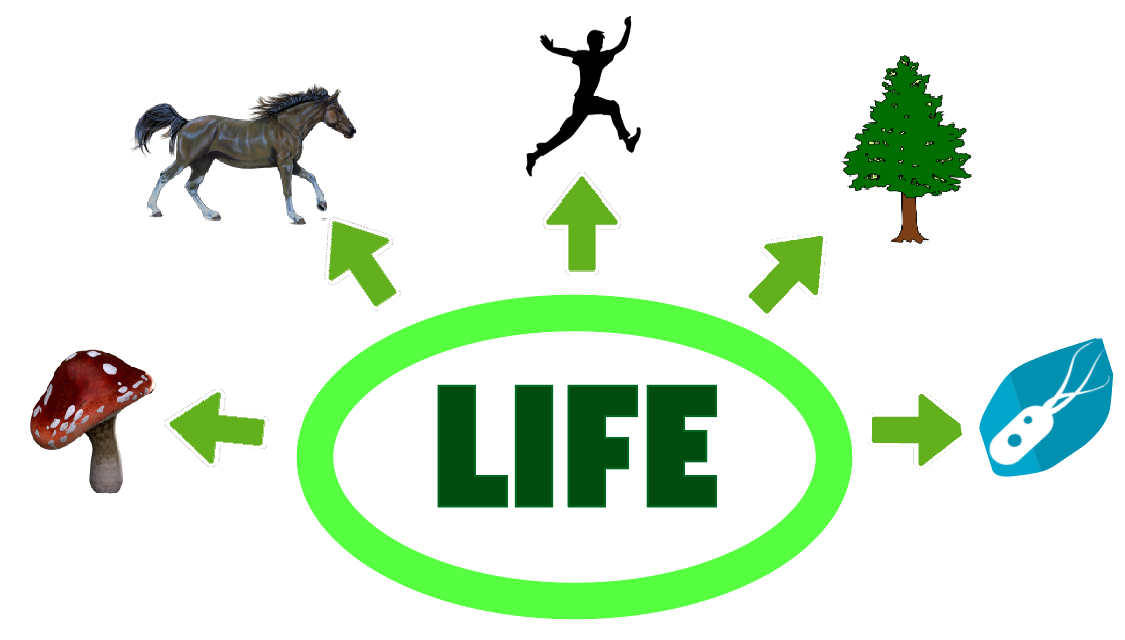
Any single living individual, and can refer to a single human, animal, plant,
Protista, bacteria, or fungi.
Community
Cell
Population
Organism
When all the ecosystems are combined what is it known as...
large ecosystem
population
community
biosphere
How many levels are usually classified in the organizational levels?
5
6
9
4
What is the definition of ecology? (in your own words or textbook definition)
The most complex, multicellular level of organization is...
(a)
What is an example of an emergent property?

