
NEW
Font size
 Worksheets
Ecosystem (Symbiosis and Levels or Organization)
Total questions: 20
Worksheet time: 15mins
Which of the following correctly describes a tertiary consumer?
A carnivore that feeds on upon other consumers for example hawks, sparrows
A carnivore that at the topmost level in the food chain or food web that feeds on other carnivores.
Feeds on plants or autotrophs for example mice, grasshoppers
They make all the food or energy found in the ecosystem.
Temperature, soil, water are examples of
biotic factors
abiotic factors
ecosystem
habitat
Organisms living together with another organism in close association
commensalism
mutualism
symbiosis
parasitism
The interaction of biotic and abiotic factors with a given area
habitat
ecosystem
community
biotic factors
Which of the following is not an example of parasitism?
ticks on a dog
barnacles on a whale
fleas on a cat
heartworms in a dog
All the members of the same species in a specific arrea
community
biome
population
ecosystem
Members of different species in a specific area
organism
population
biosphere
community
Which of the following answer choices describes herbivores role in a food web?
Hawks, snakes, wolves, bears
Mice, rabbits, giraffes, and grasshoppers etc
Plants, flowers, trees, grass, etc
Sharks, hawks, rats, mice
At this level on a food pyramid energy is at 100 percent
primary consumer
producer
tertiary consumer
secondary consumer
Organisms ability to make its own food
symbiosis
autotrophs
heterotroph
consumer

Which level of organization is depicted in this image?
Population
Community
Ecosystem
Biome
Biosphere

Which level of organization is depicted in this image?
Population
Community
Ecosystem
Biome
Biosphere

Which level of organization is depicted in this image?
Population
Community
Ecosystem
Biome
Biosphere

Which level of organization is depicted in this image?
Population
Community
Ecosystem
Biome
Biosphere

Organisms that can interbreed and produce fertile offspring.
Example: all humans are the same species with the scientific name Homo sapiens
Symbiosis
Population
Ecosystem
Species

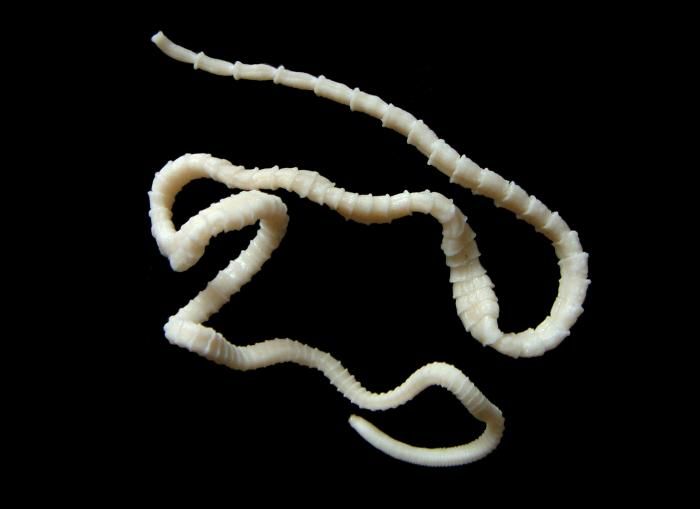
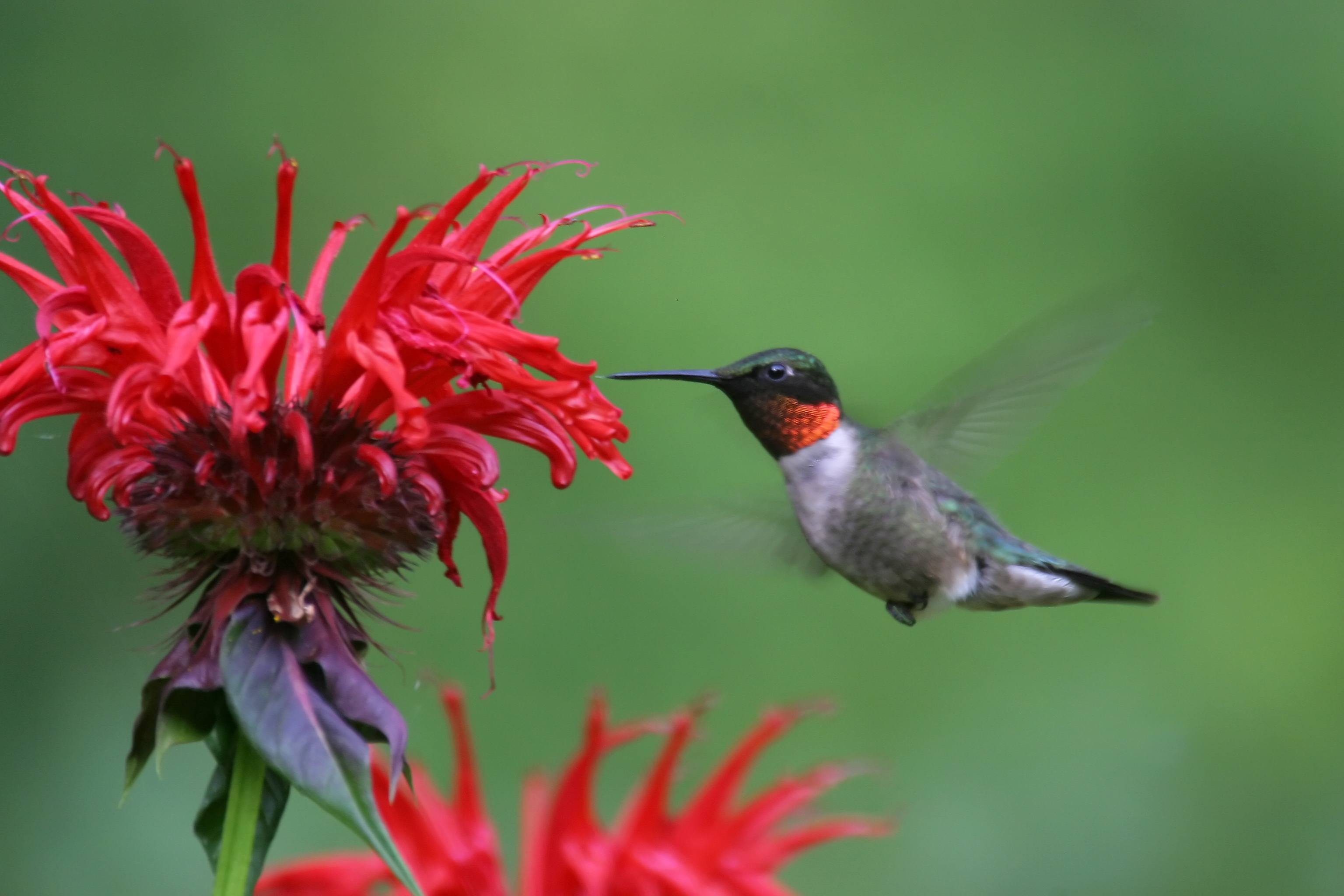
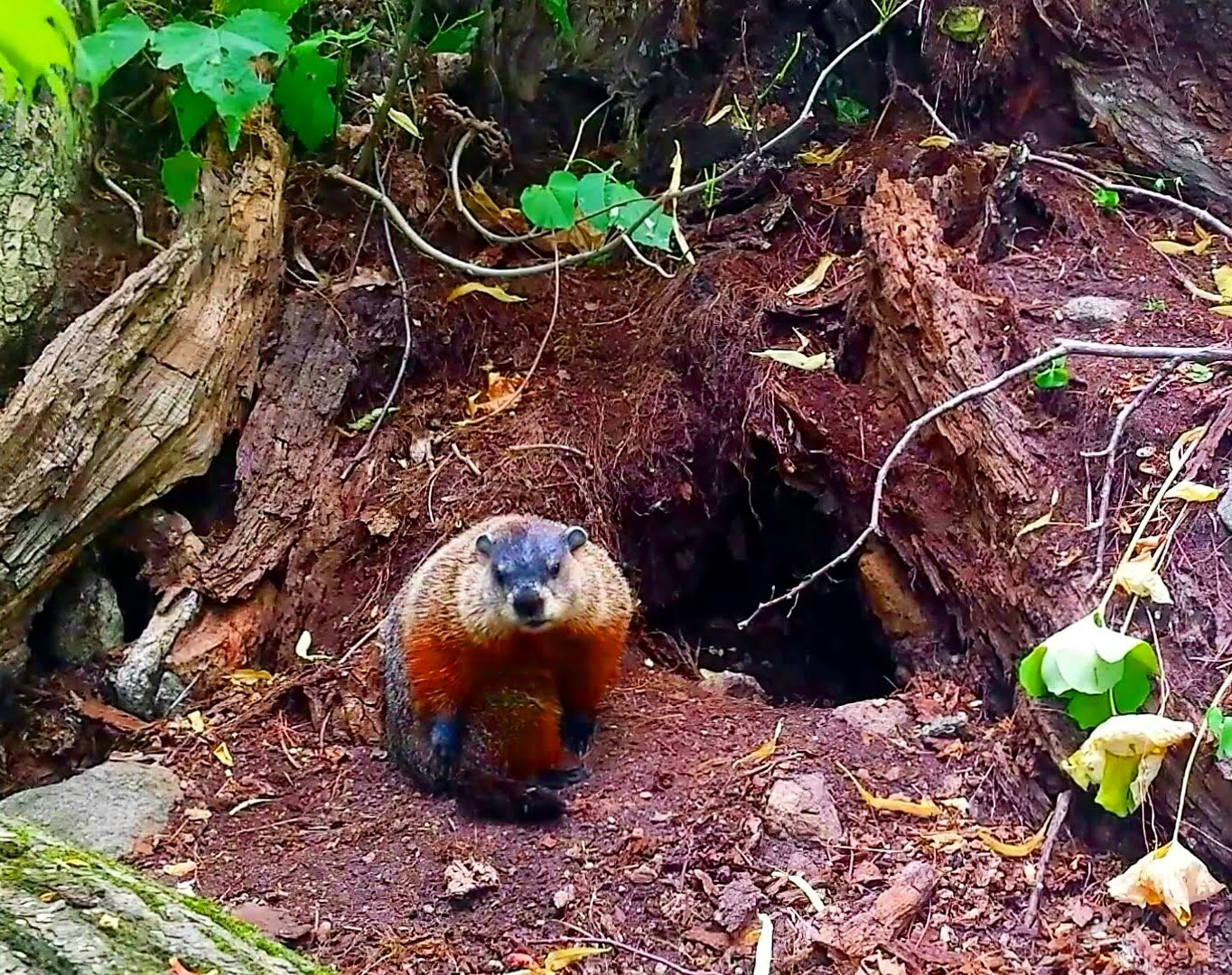

Aphids are tiny insects that live on and eat the leaves of plants, removing vital nutrients from the plants.
Predation
Parasitism
Commensalism
Mutualism

