
 Worksheets
Characteristics of Living Things
Total questions: 40
Worksheet time: 26mins
All living organisms are made up of one or more ____.
Cells
Bacteria
Organs
Tissues
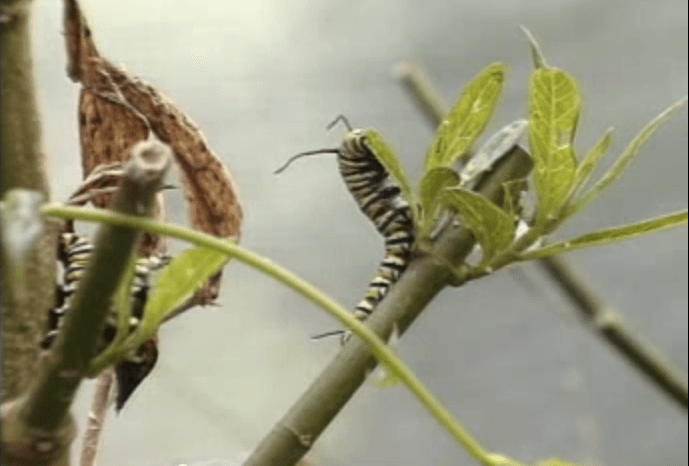
Living things do all the following EXCEPT:
Respond to stimulus
Grow and develop
Maintain homeostasis
Reproduce only sexually
A/An ___________ organism, such as a bacterium or an amoeba, is made of only one cell.
multicellular
unicellular
biotic
abiotic
Reproduction in which cells from 2 parents unite to form a new, unique individual.
asexual reproduction
sexual reproduction
biosphere
stimulus
Which of the following characteristics of living things best explains why humans sweat when they get hot?
maintaining homeostasis
growth and development
using energy
ability to reproduce
Which of the following characteristics of living things best explains why your legs and arms get longer and stronger as you get older?
living things respond to their environment
living things maintain internal balance
living things are made of cells
living things grow and develop
Before a soccer game Charlie always eats a big dinner. Which characteristic of life does this best describe?
living things use energy
living things reproduce
living things grow and develop
living things are organized

This image is an example of which characteristic of life?
Organisms grow and develop
Organisms react to stimuli
Organisms use and obtain energy
Organisms are made up of cells

Which characteristic of life is shown in the image?
Organisms reproduce
Organisms respond to stimuli
Organisms use and obtain energy
Organisms are made up of cells

Which characteristic of life is shown in the image?
Organisms reproduce
Organisms react to stimuli
Organisms use and obtain energy
Organisms are made up of cells

In the image shown, what is the response?
the plant bending towards the light
the light source
In the image shown, what is the stimulus?
the plant bending towards the light
the light source
Any living thing is called a/an _____________.
organism
cell
matter
atom
An organism that consists of more than one cell is _________.
unicellular
multicellular
fully grown
asexual

This picture is a good example of which characteristic of life?
organization
growth and development
stimulus and response
maintain homeostasis
Animals eat food and plants use sunlight. Both are examples of how all living things use _____________.
photosynthesis
Cells
Energy
reproduction
What is the balancing of an organism’s internal environment to keep internal conditions stable ?
stimulus and response
growth and development
organization
Homeostasis
Which one of these is NOT one of the characteristics of living things?
All living things get & use energy
All living things respond to the environment
All living things are organized
All living things reproduce asexually
Reproduction that involves only one parent, offspring are identical to the parent, DNA is exactly the same.
sexual reproduction
asexual reproduction
non living reproduction
living reproduction

According to this food web, one place the fox obtains energy is from the _______________.
owl
deer
rabbit
bird

The leaf at the beginning of this food chain obtains its energy from the ______________.
sun
caterpillar
bird
hawk
Put a check beside the box of all organisms that reproduce asexually.
hydra
cat
bacteria
planaria
sunflower
Put a check beside all organisms that reproduce sexually.
bacteria
sunflower
cat
hydra
planaria
In the Lights On Lab, your pupil's _________ when the light was shined into your eye and ________ when the light was lowered from your eye.
got smaller, got bigger
got bigger, got smaller
did not change; got smaller
got smaller; did not change
The purpose of the Light's On lab was to demonstrate one of the characteristics of living things. Which characteristic did this lab best demonstrate?
All living things use energy.
All living things are organized.
All living things respond to stimuli.
All living things grow and develop.
In the Farmer's Almanac, the formula for calculating the temperature in Farenheit, based on cricket chirps, is as follows. Temperature = #of chirps in 14 seconds + 40. If a cricket chirped 37 times in 14 seconds, what would the outside temperature be?
23 degrees
54 degrees
38 degrees
77 degrees
In the Farmer's Almanac, the formula for calculating the outside temperature in degrees Celsius is as follows. Temperature = # of chirps in 25 seconds/3 + 4. If a cricket chirps 72 times in 25 seconds, what would the outside temperature be in degreed Celsius?
32 degrees
28 degrees
20 degrees
42 degrees
Based on the article "How To Tell Temperature Using Crickets," crickets are (cold/warm) blooded and chirp (more/less) when temperatures are warm.
cold blooded; more
cold blooded; less
warm blooded; more
warm blooded; less
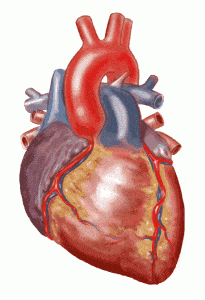
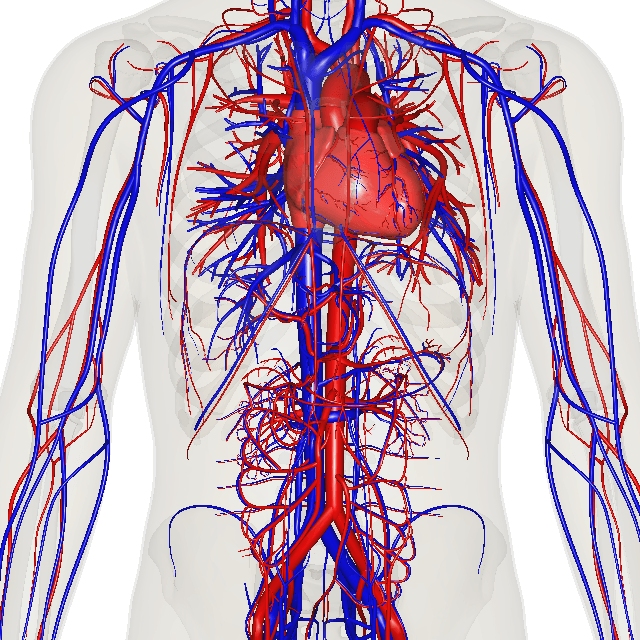
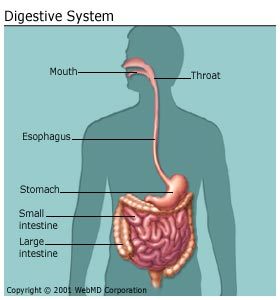
All living things have organization. Identify the correct order of organization from the simplest to most complex.
tissue, organ system, cell, organ, organism
organism, cell, organ, tissue, organ system
cell, tissue, organ, organ system, organism
cell, tissue, organ system, organ, organism
A hollow, sealed glass sphere contains sand, water, air, algae, and tiny brine shrimp. The sphere is a model ecosystem. Which of these is a biotic factor of this ecosystem?
air
algae
sand
water

Refer to the diagram. Which list includes abiotic factors only?
Items A, C, D
Items B, C, E
Items A, D
Items A, B, C, D, E
What is the difference between the biotic and abiotic factors?
Biotic factors are living things and abiotic factors are nonliving things.
Biotic factors are nonliving things and abiotic factors are living things.

