
 Worksheets
Respiratory System
Total questions: 24
Worksheet time: 12mins
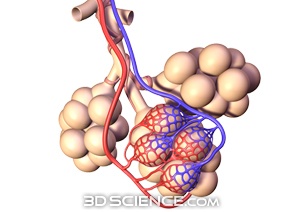

Flap of tissue that covers the opening to the windpipe during swallowing
Pharynx
Trachea
Epiglottis
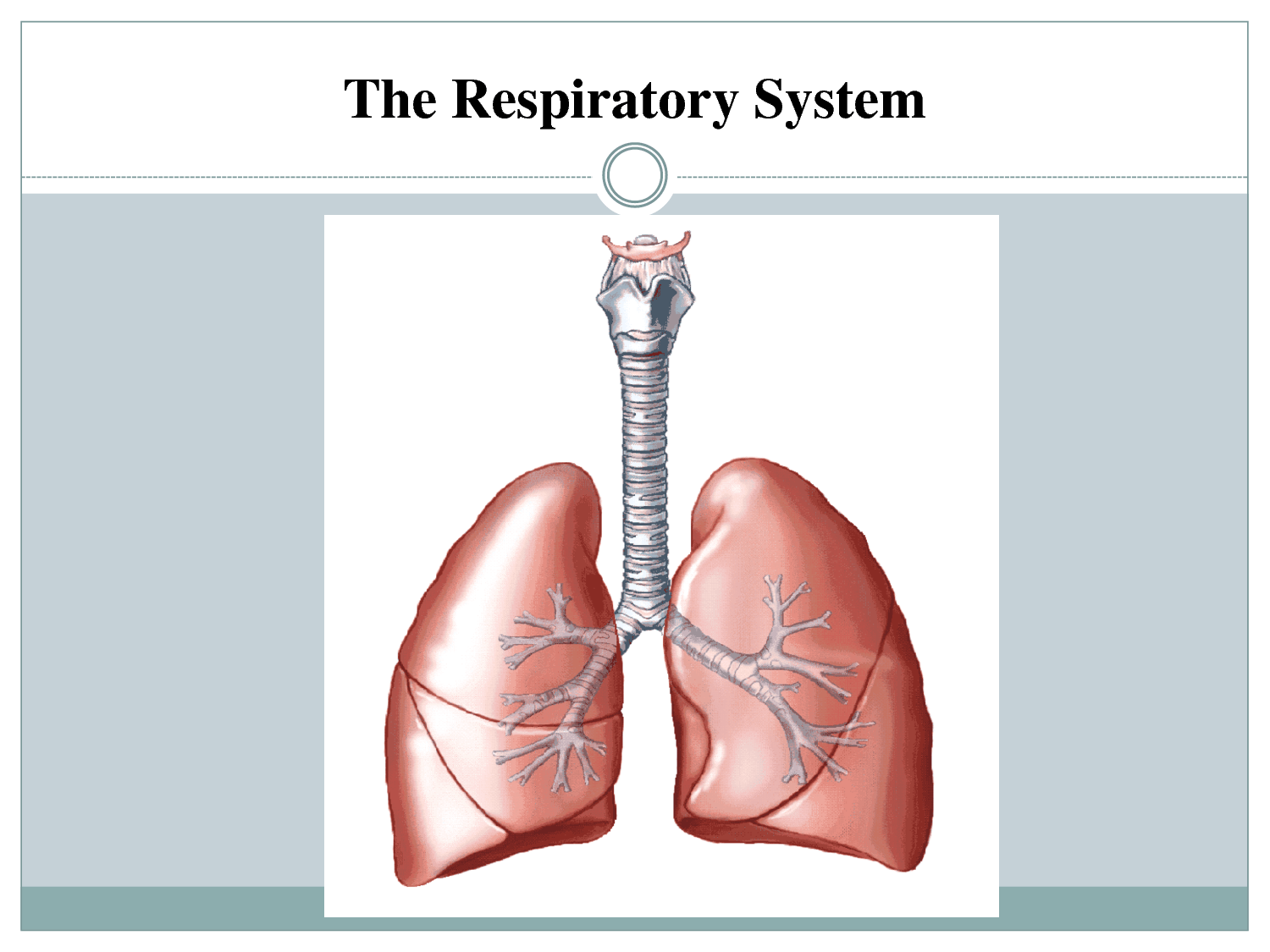
1. larynx
2. nasal cavity
3. pharynx
4. trachea
Which of the following is the correct order that air would flow during inhalation.
Breathing out; exhalation of breath.
Inspiration
Expiration
What is the site of gas exchange?
alveoli
nose
lung
bronchi
The only externally visible part of the respiratory system
Eyes
Nose
Pharynx
Larynx
Which part of the Respiratory System plays a major role in speech?
nose
pharynx
larynx
trachea
tiny, hairlike projections in the airway that move in a wavelike manner.
alveoli
cilia
trachea
lungs
the windpipe; a passage through which air moves in the respiratory system.
trachea
lungs
larynx
bronchi
the passages that direct air into the lungs.
lungs
trachea
bronchi
alveoli
Which of the following statements is true?
Your lungs can store several hours' worth of oxygen.
Your body can't store oxygen at all.
Your body stores oxygen in your bloodstream.
Your body needs carbon dioxide to function properly.

What can you infer about the function of the ribcage?
It protects the lungs.
It helps the lungs pump oxygen.
It delivers oxygen from the lungs to the bloodstream.
It connects the trachea to the lungs.
What word best describes the function of the trachea?
Pumping station
Entrance point
Muscle
Passageway
Where does the transfer of oxygen into the bloodstream take place?
In the heart
In the trachea
In the alveoli
In the nasal passages
The walls of the alveoli and capillaries are permeable. What does this mean?
Substances can pass through them.
They are made of muscle.
They are located throughout the body.
They are made of bone.
What happens when your diaphragm relaxes and moves upward?
Your lungs deflate and you breathe out.
Your lungs inflate and you breathe in.
Your alveoli transfer oxygen to your bloodstream.
Your bloodstream transfers carbon dioxide to your alveoli.

What organ of the respiratory system is in blue.
pharynx
trachea
larynx
epiglottis
What organ of the respiratory system is in purple.
pharynx
trachea
larynx
epiglottis

What is the function of these tiny hairs in the bronchial tubes?
moistens the air as it enters the lungs
helps the lungs get carbon dioxide
removes unwanted mater from the lungs
helps the lungs get oxygen
What is the dome-shaped muscle beneath the lungs that helps us breathe.
diagram
dialysis
diaghragm
diorama

