
 Worksheets
Geography Basics - Unit 1.1 Vocabulary
Total questions: 45
Worksheet time: 28mins

What part of a map tells you the directions?
scale
title
compass rose
key/legend

This tool shows the relationship between the distances on a map and real distances.
map key (legend)
compass rose
scale
global grid

Explains what the symbols on a map stand for.
Map legend (key)
scale
compass rose
global grid

How people, goods, and ideas move to and from a place.
location
human environment interaction
movement
place
region

The imaginary line that divides the globe/world into the Eastern Hemisphere & Western Hemispheres.
Equator
Prime Meridian

How a place affects the people living there and how people
living there affect the place.
human environment interaction
place
location
region
movement

The main directions such as north, south, east, and west (NEWS).
cardinal directions
intermediate directions
scale
map legend (key)

Describes the human and physical characteristics there.
place
location
movement
region
human environment interaction

Features of a place that set it apart from other places.
movement
location
place
human environment interactions
region

The imaginary line that divides the globe/world into the Northern & Southern Hemispheres.
Equator
Prime Meridian
Lines of Longitude
Lines of Latitude

What is geography?
They study of the Earth
The study of the map
The study of America
The study of history
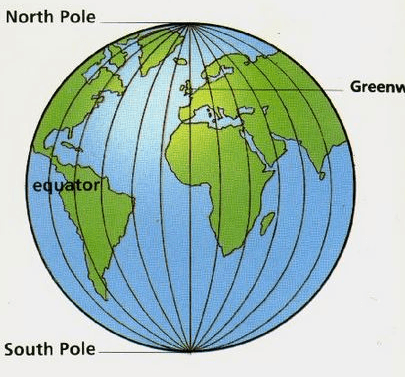
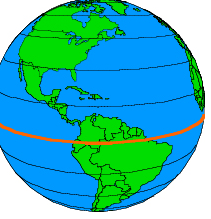

The equator breaks the Earth into what two hemispheres?
Eastern and Southern
Northern and Southern
Western and Eastern
Northern and Western

The Prime Meridian separates the Earth into what two hemispheres?
Northern and Southern
Western and Eastern
Northern and Eastern
Southern and Western

Which lines have a major impact on TIME?
Longitude Lines
Latitude Lines

Which lines have a major impact on an areas climate & temperature?
Lines of Longitude
Lines of Latitude

Absolute and relative are words that describe...
Place
Location
Movement
Region

Resources that we find in nature and are used without much modification are called:
Human resources
Natural resources
Renewable resources
Human made resources
Anything that can be used to satisfy human needs is a:
Thing
value
Resource
Utility

Resources which can be renewed or reproduced are known as:
Exhaustible resource
Renewable resource
Non-renewable resource
Useful resource

Resources that cannot be replaced
Conservation
Renewable Resource
Non-Renewable Resource
Natural Resource

Agriculture (farming) is a _____________.
Renewable Resource
Non-Renewable Resource

Catfish are a __________________.
Renewable Resource
Non-Renewable Resource

Clay is a _____________.
Renewable Resource
Non-Renewable Resource

Oil is a _______________.
Renewable Resource
Non-Renewable Resource

Sand/gravel is a _______________.
Renewable Resource
Non-Renewable Resource

Seafood is a _______________.
Renewable Resource
Non-Renewable Resource

Timber (forests/wood) is a ______________.
Renewable Resource
Non-Renewable Resource

Natural gas is a non-renewable resource.
True
False

___________ like coal, iron ore and diamonds are natural substances found in the ground.
Environment
Food
Minerals
Recycle

We use both renewable and non-renewable resources as sources of energy.
True
False
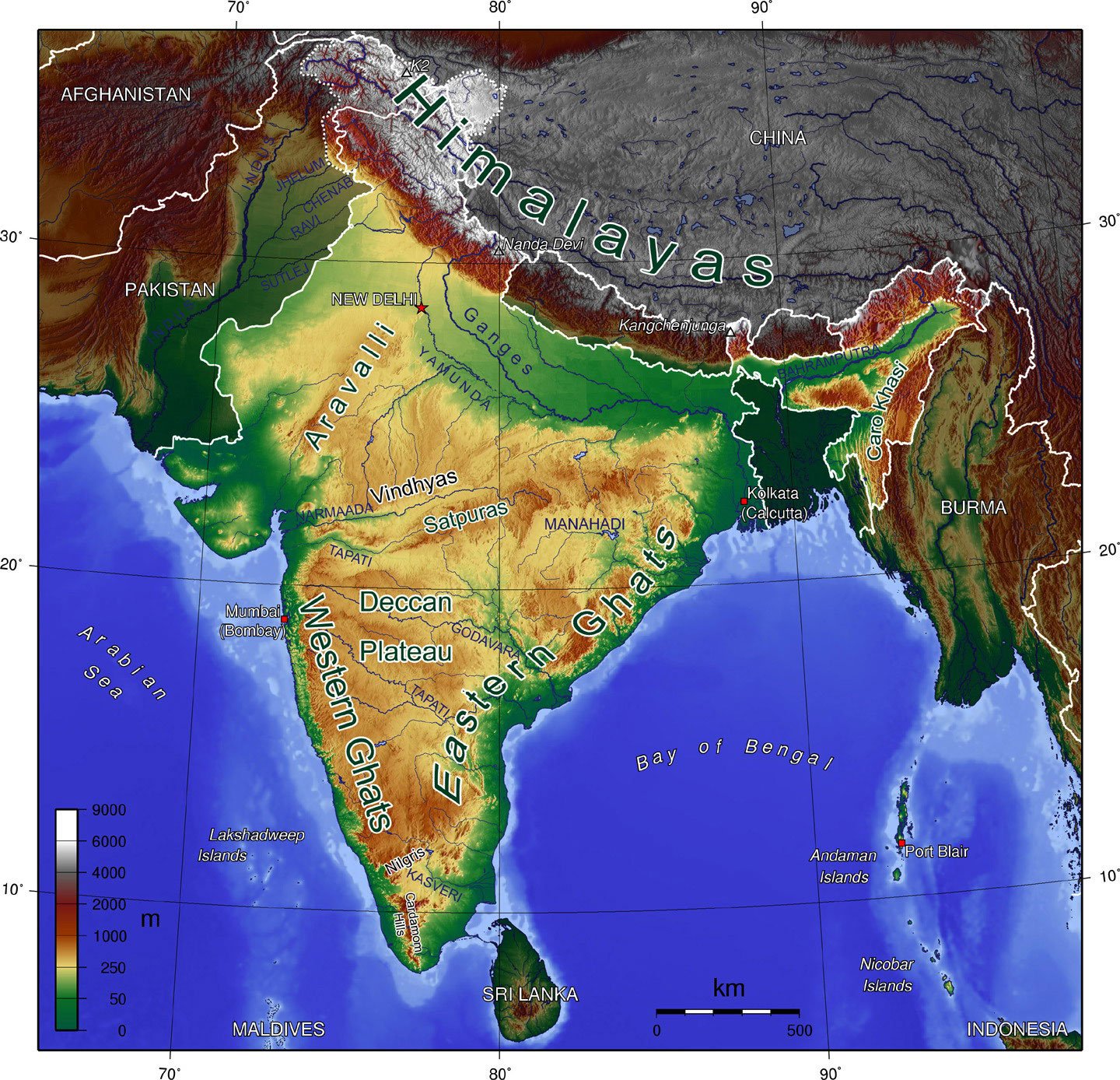
This map is an example of a . . .
Political Map
Physical Map
Population Map
Road Map

A map showing mountains, rivers, oceans, valleys, and deserts is what type of map?
Political
Physical
Population
Climate

A map showing boundaries of countries is what type of map?
Political
Physical
Population
Climate

What type of map is this?
Physical
Political
Resource
Topographic

A map showing the climate zones of North America is which type of map?
Political
Physical
Thematic
Nothing

This is a...
political map
physical map
elevation map
thematic map

The movement of people from place to place
Migration
Urbanization
Modernization
Industrialization


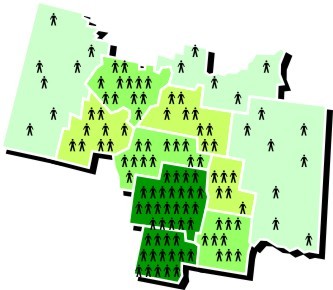


All of the people in a particular area
migration
demographics
population
census

