
 Worksheets
Unit 1 Review
Total questions: 29
Worksheet time: 29mins

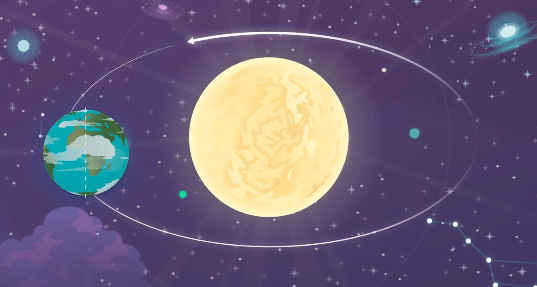
This model is showing us a...
lunar eclipse
solar eclipse
phases of the moon
earth eclipse

This image is showing us a.....
solar eclipse
lunar eclipse
phases of the moon
earth eclipse
When the moon passes between the earth and the sun, this results in a.....
Waxing moon
lunar eclipse
solar eclipse
sun rise
When the earth is between the sun and the moon, this results in a...
waxing moon
solar eclipse
lunar eclipse
sun rise
The highest part of a transverse wave is
the crest
the trough
the wave point
the hotel transylvania
The lowest part of a transverse wave are the
crests
troughs
wave points
low nodules
The distance between two corresponding parts of a wave is its
amplitude
frequency
wavelength
velocity
The height of the wave from its resting point is called its
wavelength
amplitude
velocity
frequency
Transverse waves have:
crests and troughs
troughs and rarefactions
compressions and contractions
rarefactions and crests
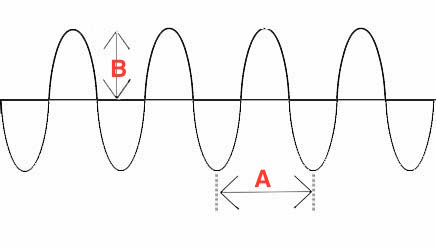
What property of this wave is represented by the letter "A"
amplitude
crest
trough
wavelength

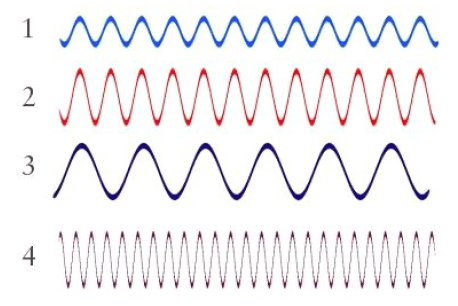
What is transferred by a wave?
energy
matter
particles
mass

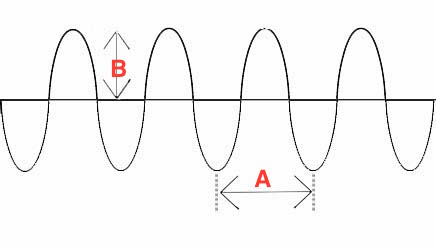
The displacement marked in the diagram by a red arrow is known as the ____ of the wave.
time
speed
frequency
amplitude
What do you call the area where water is stored behind a dam?
reservoir
generator
refuge
turbine
Hydropower is a renewable resource.
True
False
What happens when water flows through a dam?
The water evaporates.
The water turns a turbine.
The water is pumped back up.
The water creates sparks making electricity.
What is the job of a turbine?
When it spins, it makes sparks causing electricity.
It moves the energy from the flow of water to a generator.
It slows down the speed of the water to keep it at a steady pace.
It controls the water so it can be pumped back up the dam.
What does a generator do?
It spins when the water passes through it.
It moves the water from a higher elevation to a lower elevation.
It helps the movement of fish to pass safely through the dam.
It produces electricity.

