
 Worksheets
Pollination
Total questions: 18
Worksheet time: 9mins

The moth deposits its eggs in the locule of the ovary of ----------------flower.
Hint : This flower needs moth to complete its lifecycle.
Yucca
Amorphophallus
Salvia
Which of type of pollination is used if the flowers are not brightly coloured?
wind
insects

Name the type of Pollination
Anemophily
Ornithophily
Entomophily
Chiropterophily
Wind-pollinated flowers typically have
A scent
Nectar
Small, light and powdery pollen
Large and colourful petals
Bird-pollinated flowers typically have
Large amounts of nectar
No fragrance
Large amounts of pollen
A dull colour
Insect-pollinated flowers typically have
Small, inconspicuous flowers
No scent
Light, powdery pollen grains
Relatively large, and often sticky grains of pollen

What type of pollination is shown in this diagram?
Cross pollination
Self pollination
Autogamy
Which of the following flowers is pollinated by insects?


An example of abiotic agent of pollination is ...
Bees
hummingbird
Wind
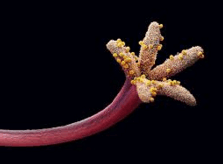
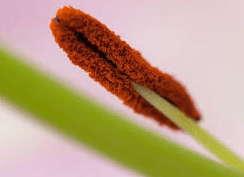

What makes a flower look beautiful?
Its Thalamus
Its Petals
Its Stigma
It Pistil

In Vallisneria, the type of pollination is ................
Wind pollination
Insect pollination
Self pollination
Water pollination
Identify the cleistogamous flower


Name this flower which provides safe places to lay eggs.
Yucca
Amorphophallus
Colocasia
Commelina

