Worksheets
Final GAIT quizizz
Total questions: 156
Worksheet time: 2hrs 1mins

What is the digital divide?
The difference between people who have access to technology and those that don't
The gap between computers
The gap between people who use mobile phones
The use of technology to ensure that everybody is able to access resources, regardless of problems such as physical disabilities.
Digital Divide
Equality of Access
Globalization
Cultural Diversity
The idea that money, language, education, or infrastructure creates a gap between those who have access to information technologies and those who do not.
Digital Divide
Equality of Access
Globalization
Cultural Diversity
People who lack access to the internet have the same opportunities as those who do.
Which of these is an example of a technological change that has created a global community?
The EU
The internet
Uber
Deliveroo

Ensuring that everyone has affordable access to computing technology and the skills to use it
Digital inclusion
Digital divide
Digital literacy
Digital equality

The gap between people whose lives are empowered by technology and those who excluded
Digital inclusion
Digital divide
Digital literacy
Digital equality

Choose the reasons why technology exclusion is NOT good for society as a whole ...
Limits employment prospects
Limits freedom of expression
Limits economic growth
Limits opportunities for criminality
Division between countries that are more reliant on technology and countries that are not
Global digital divide
Digital literacy
Digital divide
Efficiency
The ability to navigate, evaluate and create information using digital technologies
Downtime
Digital literacy
Digital Native
Global Digital divide
What is Collaboration?
Team building activities to create engagement.
Joint effort of multiple individuals or work groups to accomplish a task or project.
Technology to optimize network infrastructure.
Act of using instant messaging and sending emails.
What are Collaboration tools?
Applications to manage CRM and create reports.
Skype, MS Project, MS Word
Different types of software and online services that allow people to work together on common projects/tasks, regardless of their physical location.
Technology tools that can be used to communicate with people and share content, within the office.
How is digital Collaboration different?
Digital collaboration is using digital technologies for collaboration.
Digital collaboration is an specific platform.
Digital collaboration is an application for instant message.
Digital collaboration is a concept.
Why companies buy collaboration tools and platforms?
To reduce costs and travel expenses.
To optimize meetings.
To create engagement.
To improve efficiency and communication.
What companies need to consider when buying or updating Collaboration tools?
Personal devices, applications and infrastructure.
Scalability, policies and resources.
Resources, IT infrastructure, devices and policies
Vendors, budget and authority.
How is Collaboration used in our workplace/daily jobs?
Use of e-mails, instant messaging, CRM
Use of instant messaging.
Virtual meetings and trainings, instant messaging, project management, content sharing.
Use of SharePoint to share content.
What is software?
The physical parts of a computer
The operating information used by a computer
The memory bank of a computer
The electrical current inside of a computer
What are the 2 main types of software?
System and Application
Informational and Entertainment
Dynamic and Static
Professional and Home-based
Software that controls all of the computers hardware is...
Program Software
Application Software
Instructional Software
System Software
An Operating System is...
Used for creating graphs and docutments
The most common type of system software
Only found in desktop computers
All of these
What is e-Commerce
Any type transaction, that involves the transfer of good and/or services across the Internet.
Any type of transaction that requires business to have a physical store
Business that are powered electrically
Electronic money such as credit cards, debit cards, Pay Pal, Apple Pay
Which of the following is NOT a benefit of e-Commerce
Faster to buy/sell
Easier to find products
Geographic limitations
Can purchase goods from any location

Meaning of Cloud computing
Virtual storage services
Virtual site focus on "development of apps"
Cover a vast range of options, from the basics of storage, networking, and processing power through to natural language processing and artificial intelligence as well as standard office applications.
Only members can use the services provided
Bartering Online
Membership
Value Chain Integrators
Online Auctions
People use social networks to spread Word of Mouth advertising
Viral Marketing
Group Purchasing
Online direct marketing
Membership

Online word-of-mouth marketing is referred to as:
Permission marketing
Search engine marketing.
E-mail marketing
Viral marketing
Consumers prefer mobile commerce sites ________.
that have many low price items on sale
that are convenient and efficient to use
that are linked to the consumers' banks
that belong to traditional stores like Wal-mart or Best Buy
E-Commerce is the process of buying, selling or exchanging products, services or information via computer.
Yes
No
Which one is not an online payment mode?
Cash on Delivery
Debit card
Credit card
e-cheque
Which of the following best describes e-commerce?
Doing Business electronically
Doing business
Sale of goods
All of the abive
What protects system from external threats?
firewall
EDI
ERP
Script Kiddies
E-Commerce stands for
(a)
What is E-Commerce?
Trade
Exchange of goods and services
Buying &selling goods and services by using internet
Purchasing and selling
Expand WWW
watch, website,Wheel
World Wide Web
World wide Website
Webinar watch world
Buying and Selling the products over the Internet is called__________
Electronic Commerce
Electronic Market
E-Shopping
EDI
Protect designs, ideas and inventions and includes content
and services developed for e-commerce sites. Closely related is copyright law which is designed to protect authors, producers, broadcasters and performers through ensuring they see some returns from their works every time they are experienced. The European Directive of Copyright (2001/29/EC) came into force in many countries in 2003. This is a significant update to the law which covers new technologies and approaches such as streaming a broadcast via the Internet.
Protecting intellectual property (IP)
Advertising on the Internet
Data protection
E-mail risks
It treats Data as Files internally
Data Base Management System
Relational Data Base Management System
What is a table?
grid made up of rows and columns used to store information.
collection of information that is stored on a computer.
sheet that has controls that are used to view and enter information
group of information about a person, thing, or event.
IF A COMPUTER DOES NOT HAVE ENOUGH HARD DISK SPACE AN APPLICATION WILL STILL BE ABLE TOO DOWNLOAD
TRUE
FALSE
NEEDS TO BE FAST ENOUGH TO PROCESS A SPECIFIC NUMBER OF INSTRUCTIONS
CPI
CPU
IS USED FOR TEMPORARY STORAGE DURING PROCESSING
ROM
RAM
WHICH OF THE FOLLOWING IS NOT AN EXAMPLE OF A PORTABLE STORAGE MEDIUM?
CD/DVD DRIVE
GOOGLE DRIVE
USB DRIVE
.EXE
APPLICATION
IMAGE
VIDEO
.GIF
ANIMATION
BITMAP IMAGE
.TXT
WORD DOCUMENT
TEXT FILE
GETTING THE DATA OUT OF THE APPLICATION IS CALLED....
IMPORT
EXPORT
What does the term file management mean?
How your manager is able to find your file.
The way in which we organize our files and documents on the computer.
How you organize the rough edges of your nails
What is the difference between a file and a folder?
A folder is a document and a file where the documents are stored
A folder is where the documents are stored and a file is a document
What is a folder?
an object that contains data or information
a container that can store food
a container that can store hardware components
a container that can store files or folders
If I delete a file from the desktop, is it permanently deleted?
Yes, it is gone forever
No, it goes to the recycle bin which empties it
No, it goes to the recycle bin and you have to empty the recycle bin
Why should you not give another person your password?
Because it doesn't belong to them
In case they access your files and use them or change them
Because they should be able to guess it
Backing up your files is important because....
Computer drives could fail
A virus could corrupt your work
You could accidentally delete a file
All of the above
Why should you create a strong password?
So no one can guess it easily
To protect my files and data
to prevent anyone from getting access to my files
All of the above
An Operating system is:
hardware software that controls all activities that take place in a computer
memory software that controls all activities that take place in a computer
system software that controls all activities that take place in a computer
storage software that controls all activities that take place in a computer
What is the first thing that happens when a computer is switched on
Try and find and load the operating system
Instructions perform some basic hardware tests
Process of loading the operating system is called booting the computer
Computer looks for instructions to follow (on ROM)
Which of the following is NOT The role of the operating system:
Providing the user interface
Managing programs
Preventing basic security
Managing hardware
How would I open the Task Manager?
Shift+Alt+Del
Ctrl+Alt+Del
Ctrl+Enter+Del
Ctrl+Alt+Enter
What are the TWO things the Task Manager does?
Provides some information about the computer’s performance and the applications and processes running.
Helps you find the missing documents scattered all over the hard-drive of the computer.
Gathers information on the processing and compiling of modern documents and related aspects.
Most often used to terminate a process or program that is not responding.
File property is:
Additional data stored about a file
Property of file that can be set
Basic information about files, name, size and date modified
Process of reducing the size of a file
Compression is:
Additional data stored about a file
Property of file that can be set
Basic information about files, name, size and date modified
Process of reducing the size of a file
Searching is when:
Refers to the process of converting (extracting) a compressed file back to the original size
File Explorer allows you to search for a file based on certain criteria: file size, type of file, partial file name, date accessed and even text in file
Saving data om a format that can be read by different version of same application or new application. Menu option ‘Export’ or ‘Save As’.
Opening or ‘reading’ data created in different version of the same application or new application.
Choose the correct THREE reasons why we need to make Backup.
files can be purposely overwritten or deleted
hardware failures – disk drive crashes
devices can be stolen (with data and files stored on them)
disasters – fires, earthquakes and floods can destroy hardware
A ____________ acts as a barrier between your computer and the internet. Checks which programs are trying to access your computer via the internet, or internet via your computer.
Anti-Virus
Switch
Firewall
Blockwall
The scope is the foundation of:
Your cost estimate and the project schedule
Scope creep
Client communication
The building and testing phase
Which of the following are NOT part of a project plan?
Schedule and due dates
Project scope and tasks
Costs and resource allocation
Scope creep and change requests
The project scope establishes which boundaries for the client?
Deadlines and due dates
Resource allocation limits
Budget and cost limits
Tasks that are and are not included
What size of design firm should use project management techniques?
All sizes: large firms need specialized software, but even a staff of one can benefit
The huge star designer firms in New York and other big cities
Firms of any size, but only when they work on large, complex projects
Firms with more than five designers on staff
How are project costs calculated?
By adding human resources (staff hours times billing rates), plus the marked-up costs of material resources
By adding up the costs of all materials
By a calculation so complicated only a computer could do it
By multiplying the human resources by the material resources
What are the four typical phases in a project?
Planning and analysis phase; design phase; building phase; implementation or publishing phase
Planning phase; analysis phase; design phase; building and testing phase
Planning phase; analysis phase; testing phase; implementation phase
Planning and analysis phase; design phase; building and testing phase; implementation or publishing phase
During which phase are the systems set up for monitoring the three main elements of the project plan (scope, schedule, and costs)?
Building and testing phase
Implementation or publishing phase
Design phase
Planning and analysis phase
What role does analysis play in the planning and analysis phase?
Figuring out the best way to get the project done
How to handle scope creep
How to get from point A to point B
How to handle a challenging client
How can you tell if a project is veering off course?
Use your intuition.
Schedule peer and client reviews.
Ask the team leaders how their work is going.
Monitor closely, during the building and testing phase, the project scope, schedule, and costs.
When developing a project schedule, what should you start with?
The end product and due date
Human resources and material resources
Deliverables
Estimated costs

What are the 4 main stages of the Project Management Cycle?
Stop, Drop, Roll and Run
Initiate, Plan, Execute, Review
Think, Plan, Do, Move On to the Next One
Execute, Fail, Pass Blame, Repeat

What are the 3 main components of any project?
Availability, Reward, Recognition
Leader, Team, Senior Management
Time, Budget, Quality
Materials, Workers, Success
Why do hackers create viruses and spyware?
They want to steal money
They want to steal your private info
They want to harm your computer
All of these answers are correct
Why is it important to have antivirus software installed on your computer?
To track your finances
To stop others from plagiarizing your work
to prevent others from stealing your device
To stop hackers from harming your computer
Which of the following are malware?
spyware
Trojan Horse
viruses
All these answers are correct
Why is it important to know how to troubleshoot your computer?
You can help others
All these answers are correct
To save money
There may not always be someone to help you.
Computer viruses are
Programs that hackers use to harm your computers or steal info.
A sickness that humans catch from computers
can only be acquired through the internet
can only be acquired through email
Which of the following is considered malware?
spyware
anti-virus software
open source software
Apps
You computer is running slow and you are having trouble connecting to websites. What should you do?
Check power source and internet cables
Check internet cables and network connections, and do a virus scan
Check power cords, internet connections, and do a virus scan
Check power cords, all cables going in and out of the computer, check internet connections, check network connections, do a virus scan and restart.
You can't get on your school's network(not internet). What should you check first?
Your cable company
cables going into and out of your computer
your internet connection
cable connected to your monitor

this picture means?
the computer does not give out a sound
the sound is to loud
do talking in the classroom
An design element that refers to the lightness and darkness of a color.
hue
value
movement
intensity
A mark created by a path of a moving point.
line
value
contrast
form
The empty or open area between, around, above, below and within objects.
form
balance
color
space
The empty or open area between, around, above, below and within objects.
form
balance
color
space
The surface quality or the way something feels such as rough-smooth
shape
texture
color
line
Element of art produced when a wavelength of light reflects a hue.
primary
secondary
teriary
color
A definite area; described as geometric or organic, positive or negative.
line
form
shape
space
Area in a work of art that catches and holds the viewers attention also called focal point.
space
unity
emphasis
balance
The relation of one object to another in size, amount, and or number.
variety
monochromatic
proportion
triad
The use of different lines shapes, textures,colors and other elements of design to create interest in a work of art.
variety
emphasis
space
value


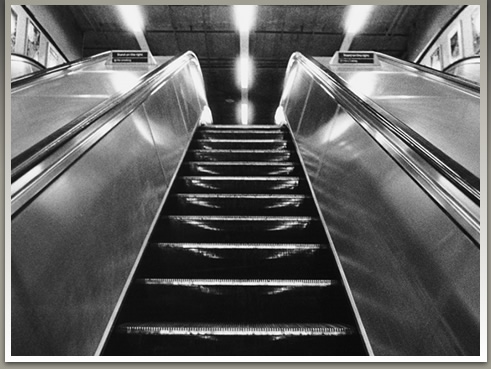


*hint- two dimensional

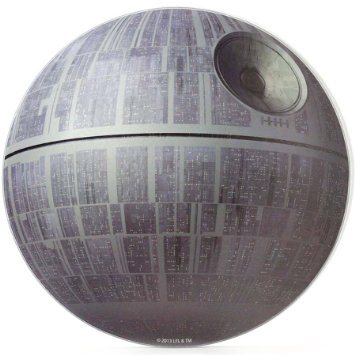
*hint- three dimensional