wayground logo

Free Printable Worksheets

NEW

Font size

S
M
L
XL
Worksheets

Physical and chemical changes

Total questions: 50

Worksheet time: 21mins

Name
Class
Date
2.
Which of the following is a sign that a chemical reaction has occurred?
a)
change in shape
b)
melting
c)
formation of a gas
d)
dissolving
2.
Which of the following is a sign that a chemical reaction has occurred?
a)
change in shape
b)
melting
c)
formation of a gas
d)
dissolving
3.

Is melting butter for popcorn a chemical or physical change?

a)

chemical

b)

physical

4.
Which of the following is NOT an example of a physical change?
a)
crumpled paper
b)
pencil sharpening
c)
shrunken clothing
d)
rust
5.
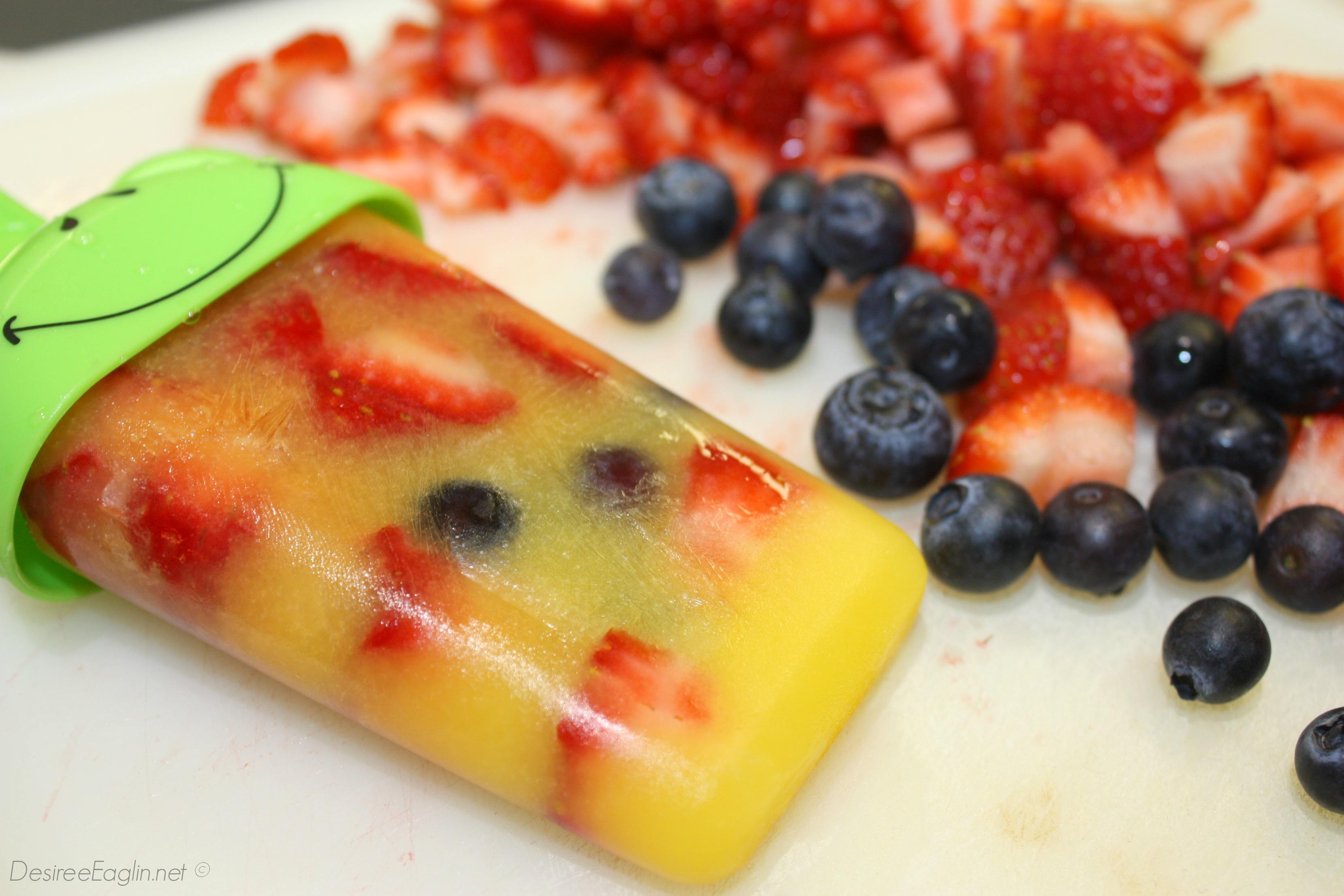
Freezing Juice?
a)
Physical Change
b)
Chemical Change
6.
A change where one or more new substances are created.
a)
Physical Change 
b)
Chemical Change 
7.

Change in color is a physical change.

a)

True

b)

False

8.
Fizzing, foaming, and burning are all examples of
a)
Chemical change
b)
Physical change
9.

Rust on an iron bar is an example of chemical change.

a)

True

b)

False

10.

When you break a cracker into pieces it is a...

a)

Chemical change

b)

Physical change

11.
Photosynthesis is an example of a
a)
physical change
b)
chemical change
12.
Dissolving sugar in water is an example of a 
a)
physical change
b)
chemical change
13.
Digesting your food is an example of 
a)
chemical change
b)
physical change
14.

The melting of wax is an example of a

a)

chemical change

b)

physical change

15.

Cutting a log in to small pieces is a chemical change.

a)

true

b)

false

16.
Which is an example of a chemical reaction?
a)
paper cut into small pieces
b)
chocolate melting in a pan
c)
flour and sugar mixed in a bowl
d)
cookies baking in an oven
17.
A change that alters the physical properties of a substance without changing its composition.
a)
Physical Change
b)
Chemical Change
18.
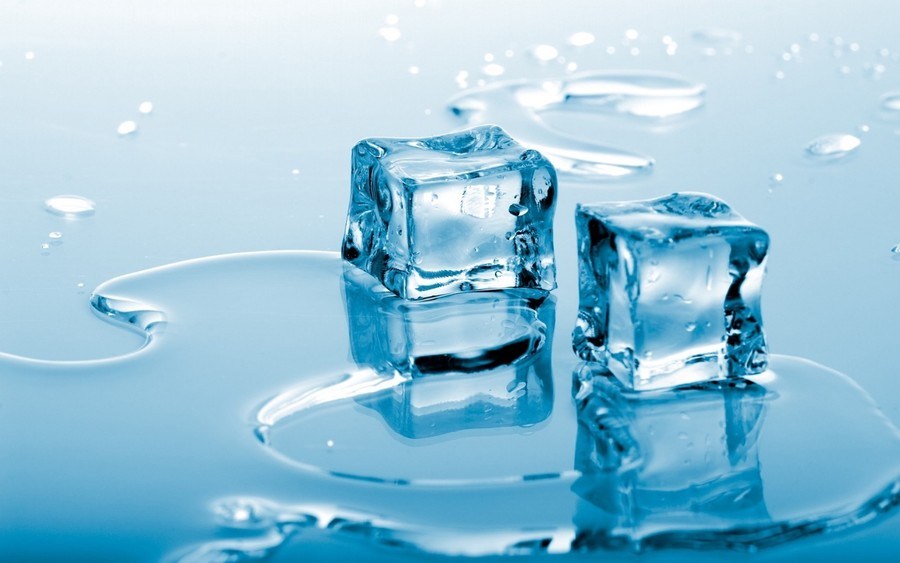
Water freezing into ice is an example of a...
a)
Physical Change
b)
Chemical Change
19.
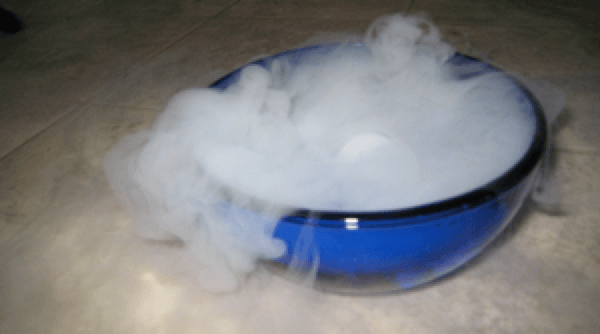
Which of the following is an example of sublimation?
a)
Dry Ice
b)
Water boiling into steam
c)
Ice cream melting
d)
Water freezing into ice
20.
Any change in the state of matter of a substance is a...
a)
Physical Change
b)
Chemical Change
21.
A change in matter that forms one or more new substances with new chemical properties is a/an...
a)
Physical Change
b)
Chemical Change
22.
Which of the following indicates a chemical change?
a)
Change in state of matter
b)
Temperature change
c)
Change in size 
d)
Change in shape
23.
A solid substance that forms when 2 liquid solutions are combined?
a)
Sublimation
b)
Precipitate
c)
Condensation
d)
Freezing
24.
Which of the following DOES NOT indicate a chemical change/reaction is occurring?
a)
Color Change
b)
Formation of a Precipitate
c)
Formation of gas/bubbles
d)
State of matter change
25.
We use chemical equations to show what happens in a....
a)
Chemical Change
b)
Physical Change
26.
Which of the following indicates a PHYSICAL change?
a)
Change in temperature
b)
Change in shape
c)
Formation of a precipitate
d)
Change in color
27.
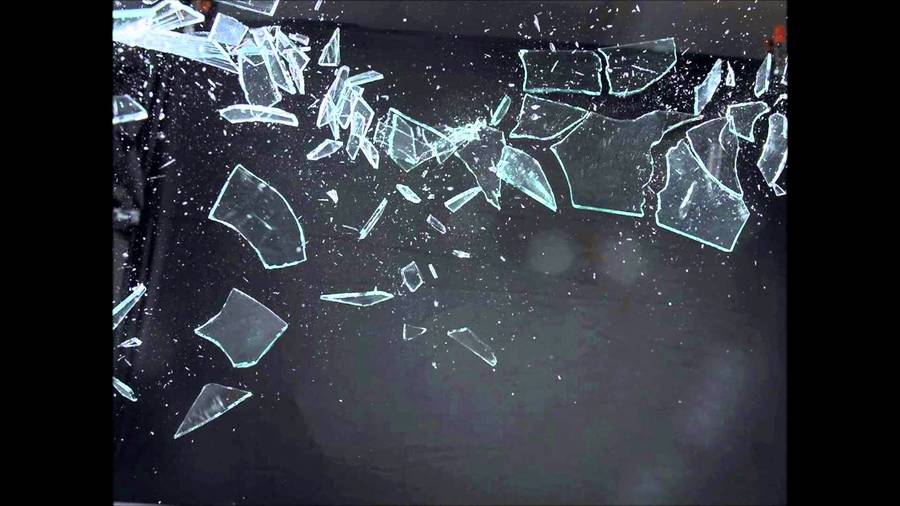
Chemical or Physical?  Glass breaking into tiny shards
a)
Chemical Change
b)
Physical Change
28.
Which Law states that Matter cannot be created or destroyed during a Chemical Change/Reaction?
a)
Conservation of Energy
b)
Conservation of Matter (Mass)
c)
Conservation of Momentum
d)
Conservation of Thermodynamics
29.
Physical or Chemical Change?  Iron rusts
a)
Physical Change
b)
Chemical Change
30.
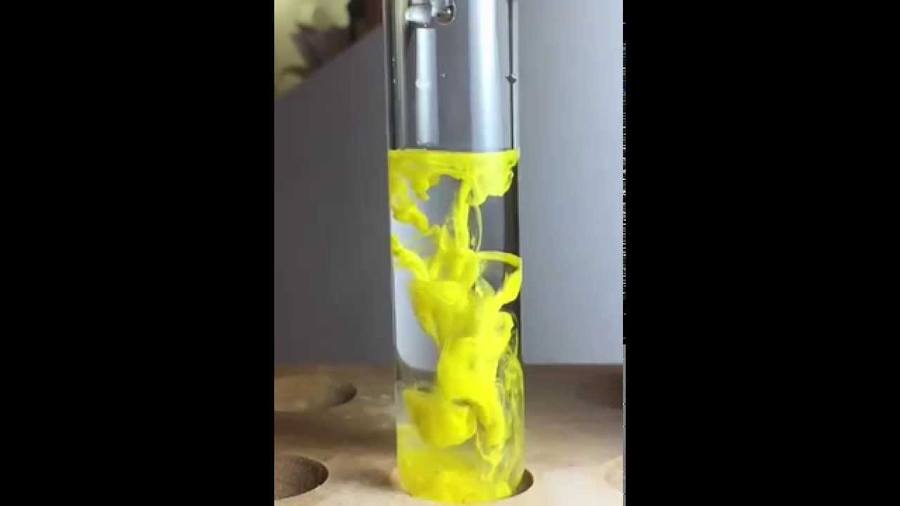
Physical or Chemical Change? 
a)
Physical Change
b)
Chemical Change
31.
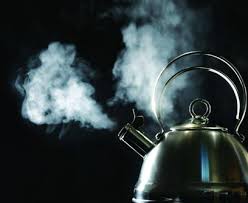
Physical or Chemical Change?
a)
Physical Change
b)
Chemical Change
32.
Physical or Chemical Change?  Cutting an orange into wedges.
a)
Physical Change
b)
Chemical Change
33.
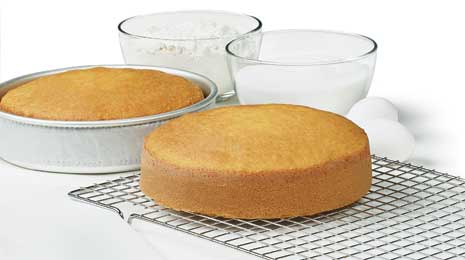
Physical or Chemical Change?  Baking a cake.
a)
Chemical Change
b)
Physical Change
34.
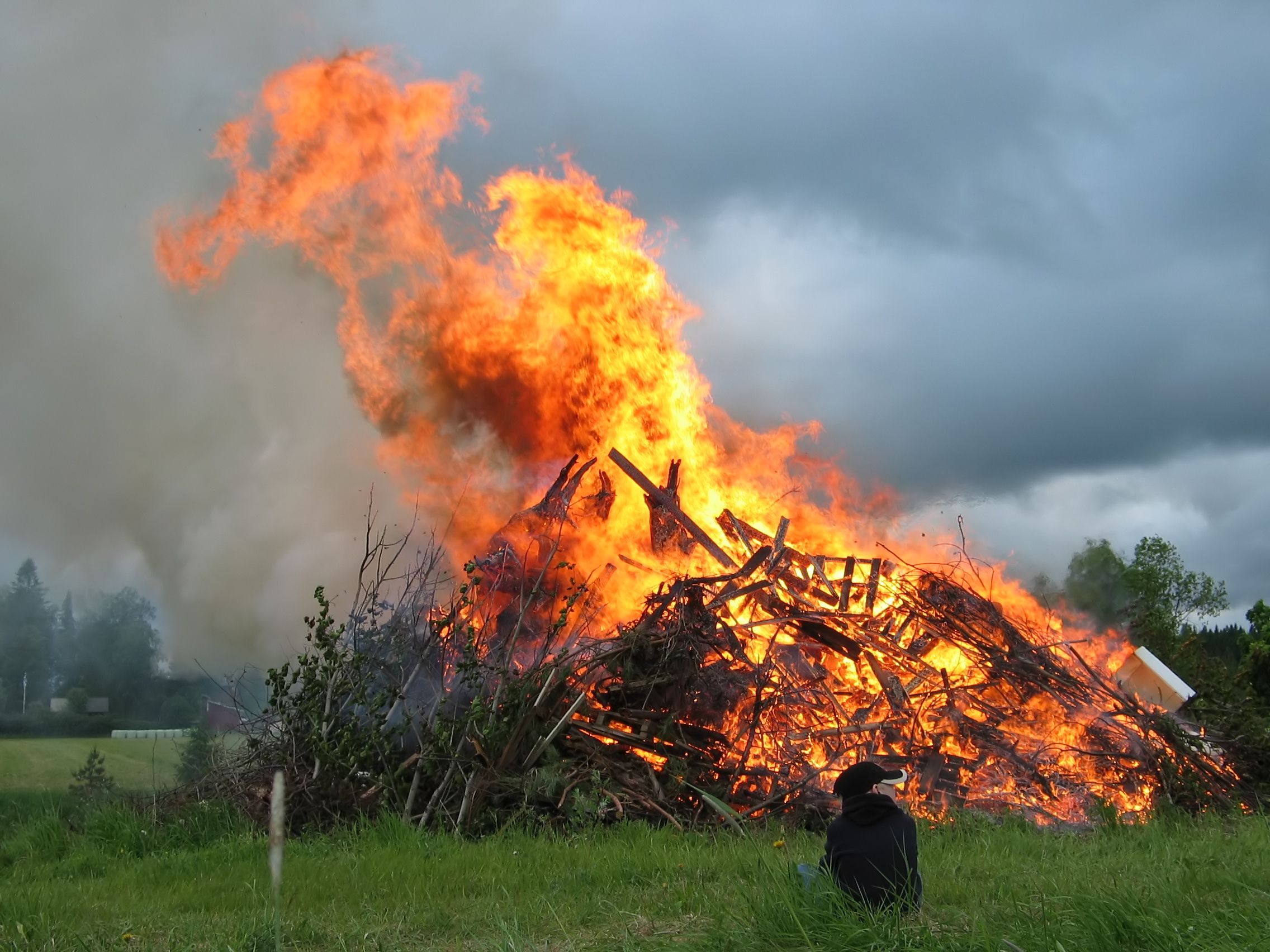
Physical or Chemical Change?  Logs burning in a campfire.
a)
Physical Change
b)
Chemical Change
35.
Physical or Chemical Change?  Sodium metal burning in water.
a)
Physical Change
b)
Chemical Change
36.
Physical or Chemical Change?  Making a paper airplane.
a)
Physical Change
b)
Chemical Change
37.

Wood that is burning in a brush pile has heat, and produces ashes.

a)

Physical

b)

Chemical

38.

Is milk going sour a physical or chemical change?

a)

Physical

b)

Chemical

39.
Is freezing juice a physical or chemical change?
a)
Physical Change
b)
Chemical Change
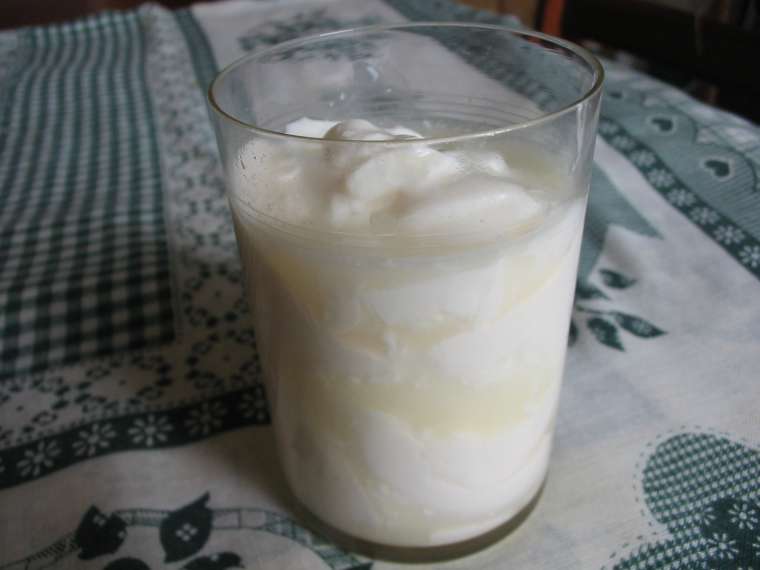
40.
Is this an example of a physical or chemical change? 
a)
Physical because it is a mixture.
b)
Chemical because the parts have changed shape.
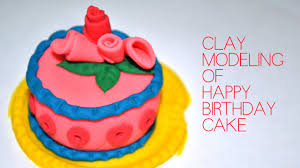
41.
Why is this a physical change?
a)
The shape of the clay has been changed.
b)
The clay can be put back into a ball shape instead of a birthday cake.
c)
The clays has not changed chemically.
d)
All are true
42.
A __________ is a mixture that is formed when a solid is dissolved in a liquid.
a)
Chemical compound
b)
Solution
c)
Endothermic reaction
d)
Exothermic reaction
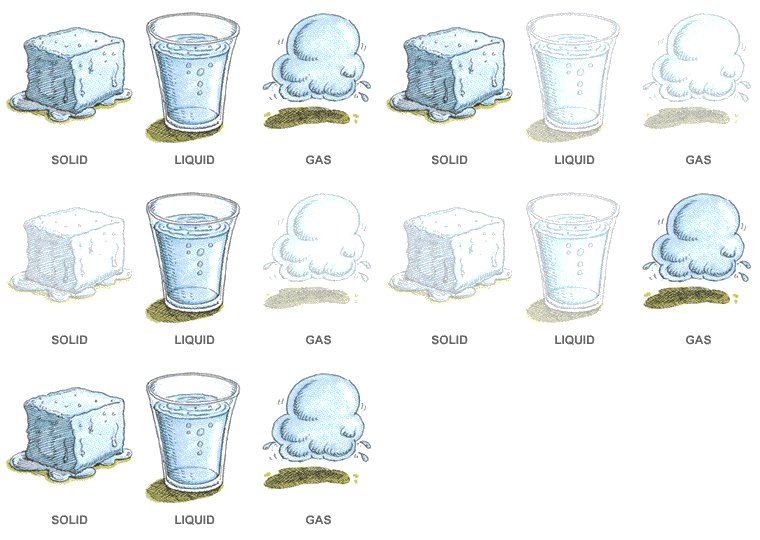
43.
In which of these do particles move slowest?
a)
matter
b)
gas
c)
liquid
d)
solid
44.
What is a mixture?
a)
Pennies
b)
2 or more different things combined.
c)
Ice
d)
Marbles
45.
An example of a physical property would be?
a)
Rust on a nail
b)
Salt dissolved in water.
c)
Wood burning
d)
An egg frying
46.
What happened to change the state of the butter?
a)
More energy was added.
b)
Heat was taken away.
c)
More chemicals were added.
d)
The particles of the butter slowed down.
47.
Which is NOT a physical change?
a)
Cutting a pizza into equal slices.
b)
Ice cubes melting back into liquid. water
c)
Baking cupcakes.
d)
A chocolate bar melting.
48.

Which of the following is a physical change?

a)

Dissolving

b)

Rapid release of heat

c)

Fizzing (release of gas)

d)

Rusting

49.

What happens to temperature as water freezes?

a)

The temperature increases

b)

The temperature decreases

c)

The temperature stays the same

50.

When you increase the energy by heating a liquid what happens to the motion of the molecules

a)

They slow down

b)

They speed up

c)

Heat doesnt change the motion of the molecules