
 Worksheets
Chapter 2: Intro to Chemistry
Total questions: 32
Worksheet time: 27mins
The electrons in a polar covalent molecule are shared...
Evenly
Unevenly
Electrons are not shared
None of these
The electrons in a nonpolar covalent molecule are shared...
Evenly
Unevenly
Electrons are not shared
None of these
The electrons in an ionic molecule are shared...
Evenly
Unevenly
Electrons are not shared
None of the Above
In a polar covalent bond, the electrons gather around...
The atom with the Greatest Electronegativity
The atom with the Lowest Electronegativity
Each atom share the electrons equally
None of these
Which has the greater electronegativity:
N or C?
C
N
Put these in increasing order of electronegativity:
F, N, B
B < N < F
B < F < N
N < F < B
F < N < B
Electronegativity is...
the tendency of an atom to attract/remove electrons from other atoms
the ability of an atom to lose electrons to another atom
the energy required to remove an electron from a specific atom
the likelihood for you to end up with no friends or dates
the tendency for an atom to give/release electrons to another atom
Which of the following describes covalent bonds?
Bonds that form because of opposite charges
Bonds are formed by sharing electrons between atmos & completing their outer electron shells
Bonds are formed by the transfer of electrons between atoms
Covalent bonds are the only type of bonds I'll ever make in my life...
Bonds are formed by the interactions between a Metal & Non-Metal
How many valance electrons Nitrogen has?
1
3
4
5
6
For metals (groups/columns 1-3), it's easier to _____ electrons to have a full outer shell.
gain
lose
share
For nonmetals (grousp 5-7), its easier to _____ electrons to have a full outer shell.
gain
lose
share
What kind of molecule is water?
Ionic
Polar Covalent
Nonpolar Covalent
Metallic
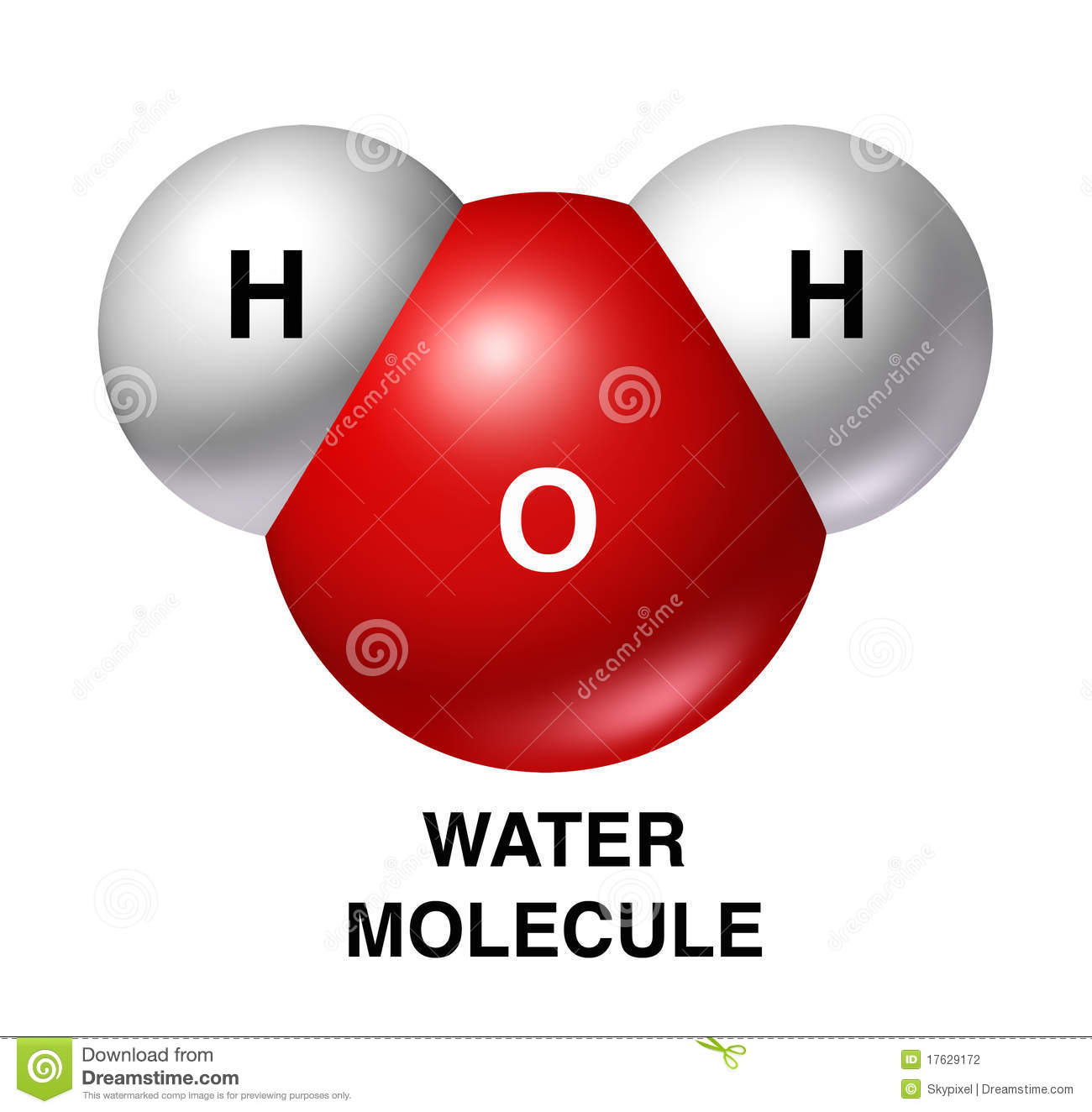
Which part of a water molecule has a Positive Charge?
The Hydrogen
The Oxygen
The Top
The Bottom
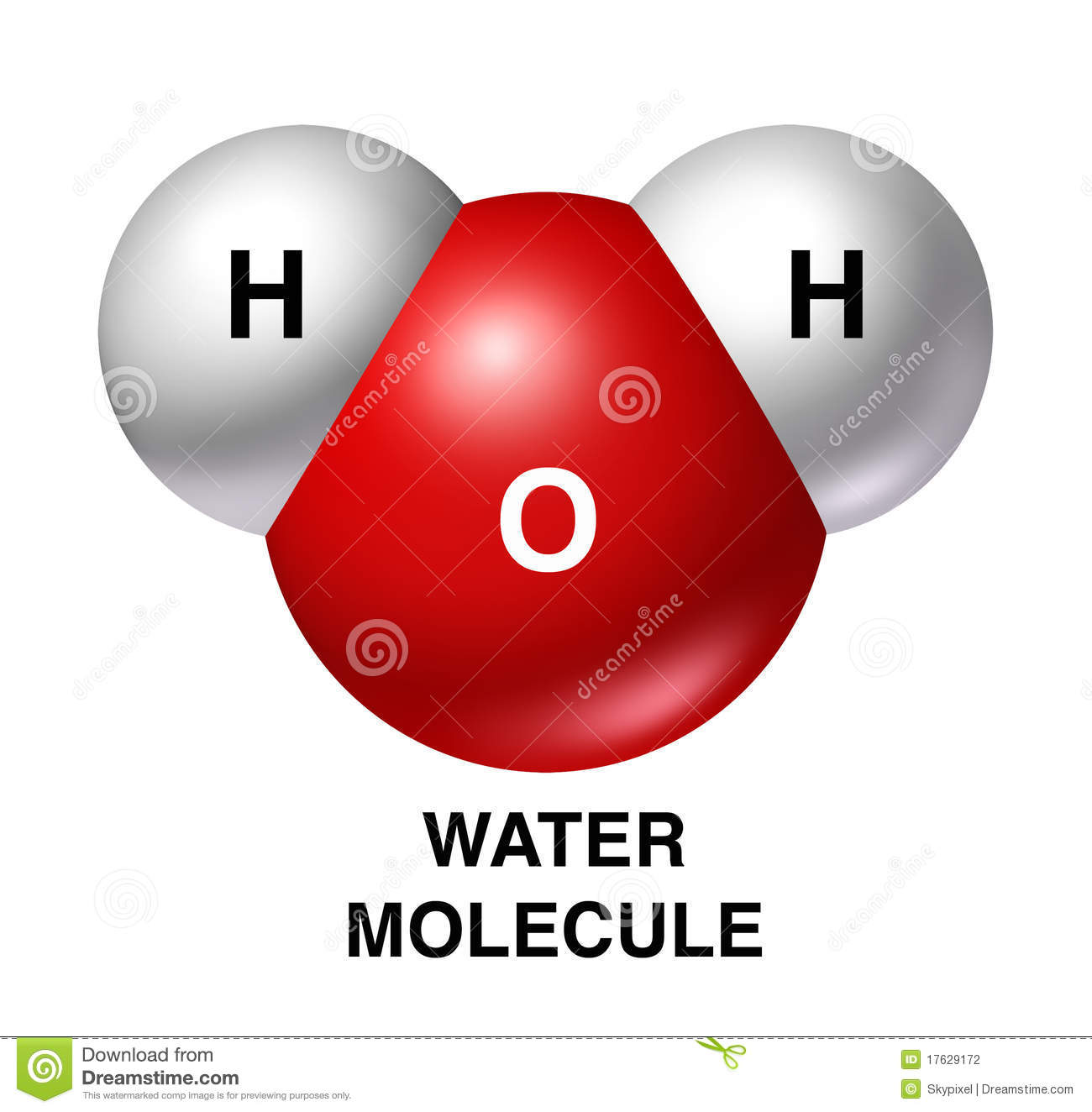
Which part of a water molecule has a Negative Charge?
The Hydrogen
The Oxygen
The Left
The Right
Which of the following can water NOT dissolve?
Salt
Sugar
Wax
Baking Soda
Chocolate
Which of the following can water NOT dissolve?
Ionic Compounds
Polar Compounds
Nonpolar Compounds
Water is bipolar/dipolar [polar]. What does that mean?
it is a molecule with partially positive & negative ends
it is a molecule with no charge/neutral
it is a molecule with identical charges on opposite ends
it is a molecule with too many protons
It is a molecule with a mental disorder & it needs the help of a psychiatrist & medication to control its bipolar episodes... but overall, it can handle the challenges that come by being positive & negative
1
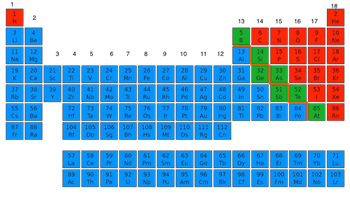
How many valence electrons does Boron have?
1
2
3
4
When an atom loses an electron, it becomes a
positive ion
negative ion
Valence electrons are found
in the innermost energy level of an atom
in the middle energy levels of an atom
in the outermost energy levels of an atom
Which is the correct molecular structure for carbon dioxide?



