
 Worksheets
English Test 5° (part 1)
Total questions: 82
Worksheet time: 42mins
1. I'm not going to pay seven dollars for a coffee. You ______________ be joking!
should
must
have to

You..........use the helmet here.
have to
don’t have to
must
mustn’t
We ________ take an umbrella. It looks like it will be rain.
COULD
SHOULD
WILL
You _______ read the washing machine instructions carefully or you will ruin your clothes.
CAN
MUST
MAY
You ________ work everyday.
SHOULD
HAVE TO
MUSTN'T
You _____ accept Tina's proposal.
CAN
HAVE TO
SHOULD
The cut looks infected, you ______ go to the doctor.
MIGHT
CAN
SHOULD
El verbo "must" es un verbo modal
Yes
No

You ______ drive a car with a belt.
MUSTN'T
MUST
SHOULD
El verbo should es un verbo modal
Yes
No
él tiene que tomarse la medicina
He must take the medicine
He should take the medicine
Tienes que irte a la cama (OBLIGATION)
You have to go to bed
You don't have to go to bed
You must to go to bed
You shouldto go to bed
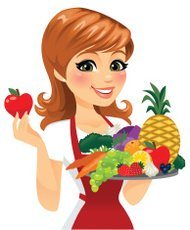
You have to ________________.
eat fast food
eat healthy food
cook lunch
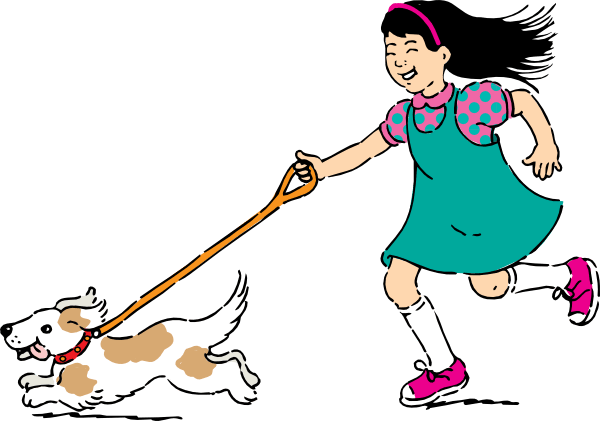
She has to _________________________.
take the dog for a walk
clean the house
go out with friends
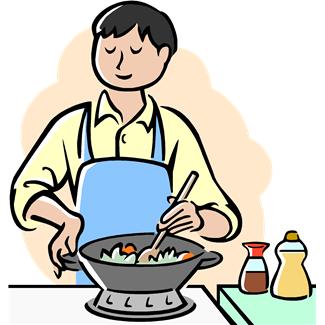
He has to ____________________:
clean the house
practice sports
cook dinner
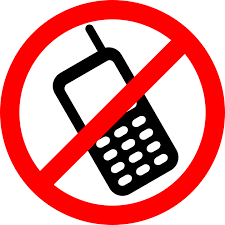
You don't have to ______________________.
wear a uniform
do the laundry
use a mobile phone in class

- Mum: Its raining a lot..
You must take your umbrella
You mastn't take your umbrella
You have to take your umbrella
You don't have to take your umbrella

Look at that sign...
you don't have to park here.
you have to park here.
you mustn't park here.
you must park here.

There is a rule in the class, if you want to speak...
you have to put your hand up.
you don't have to put your hand up
you must put your hand up
you mustn't put your hand up
Humans have an effect on ecosystems when they use native grasslands or forested areas for farming or urban use. One negative effect of these changes on the ecosystem is that there will be
Less biodiversity
More homes
Successful economic growth
Increased food production
An organism that eats both plants and animals is a
carnivore
herbivore
omnivore
detrivore
¿Cuál es la traducción de la palabra:climate?
calor
climo
isla
clima
¿Cuál es la tradicción de la palabra:desert?
desierto
declive
desnudo
dedo
¿Cuál es la traducción de la palabra:population?
población
político
polo
punto cardinal

Choose the correct option to describe the image:
You should turn off the lights during the days.
You should take quick showers.
You should recycle.
You should walk to school.

Choose the correct option to describe the image:
You should turn off the tap.
You should take quick showers.
You should recycle.
You should walk to school.

You ____________ throw away rubbish on the street.
Should
Shouldn't

Choose the correct option:
Recycle
Reduce
Reuse
malgastar energía
energy
use energy
to waste energy
waste energy
la contaminación
the container
the container for trash
the recycled container
pollution
el medio ambiente
the center of the environment
the outside world
the inside world
the environment
el medio ambiente
the center of the environment
the outside world
the inside world
the environment
Escoge la oración correcta
I go to bed always at 9:00 P.M
She don't always go to bed at 9:00 P.M
He always goes to bed at 9:00 P.M
Cuál es la posición del adverbio de frecuencia en una oración afirmativa en presente simple?
Antes del sujeto
Después del sujeto
Después del verbo
Cuál oración es correcta:
Jim never is at work
Jim is at work never
Never is at Jim work
Jim is never at work
Traduzca la palabra " How often "
Cuánto?
A menudo?
Que tan a menudo?
Que tan seguido?
Always
Siempre
Nunca
Rara vez
Con regularidad
She is (a) late for work (100%)
He (a) eats meat. (0%)

I SOMETIMES WATCH TV.
YO SIEMPRE VEO TELEVISIÓN.
YO A VECES VEO TELEVISIÓN.
YO NUNCA VEO TELEVISIÓN.
Sometimes
Rara vez
Nunca
Algunas veces
De vez en cuando
Occasionally
De vez en cuando
Generalmente
Raramente
Siempre
I fill the tank twice a week.
Llenamos el tanque dos veces a la semana
Lleno el tanque dos veces al mes
Lleno el tanque dos veces a la semana
Lleno el tanque cada dos semanas

you / to / tell / him / going / are / ?
are you going to tell him
Are you going to tell him?
Are you going to tell to him?
Are you going tell him?

later / are / what / do / you / going / to / ?
What are you going to do later?
What you going to do later?
What you are going to do later?
What are you going to later?
watch / I’m / a / to / TV / going
I'm going watch TV.
I going to watch TV.
I'm not going to watch TV.
I'm going to watch TV.

Qué significa "I am going to"
Iré a ...
Voy a ...
Fui a ...
Iba a ...

Selecciona la estructura gramatical para el futuro compuesto.
Subject + going to + verb to be + verb
Verb to be + subject + going to + verb
Subject + verb to be + going to + verb

Selecciona la versión en inglés de la siguiente oración:
Nosotros vamos a viajar a Cancun este verano.
We are traveling to Cancun this summer.
We are not going to travel to Cancun this summer.
We're going to travel to Cancun this summer.
Answer the question:
Are you going to pass the subject?


I WILL USE THE COMPUTER TOMORROW.
YO USARÉ LA COMPUTADORA MAÑANA.
YO USARÉ EL CELULAR MAÑANA.
YO JUGARÉ CARTAS MAÑANA.

Will se utiliza para
Hablar del pasado
Expresar el fururo
Conversar sobre el presente
Contar historias

Maria leerá su discurso (elija la opción correcta)
María will read his speech
María will write her book
María will read her speech
María will reading her book.

Completa la siguiente oración con la opción correcta en futuro:
She_________ (go) to the party the Next Saturday.
Will went
Will go
Will gone
Will goes

Completa la siguiente oración con la opción correcta en futuro:
They __________ (not/cook) the dinner.
Will not cooks
Will not cooked
Will not cooking
Will not cook
I will work =
trabajar
trabajo
voy a trabajar
trabajaré
I will study =
voy a estudiar
estudiaré
estudié
estudiar
I will go to university =
voy a la universidad
iré a la universidad
ir a la universidad
voy a ir a la universidad
I am going to study =
estudio
voy a estudiar
estudiaré
no estudio
I am going to work in a hotel
trabajo en un hotel
voy a trabajar en un hotel
trabajar en un hotel
trabajaré en un hotel
I am not going to work
no trabajo
no trabajaré
no voy a trabajar
no trabajar
I AM SPEAKING
YO SOY HABLADOR
¿YO ESTOY HABLANDO?
ESTOY HABLANDO
ESTOY HABLANDO?
TRADUCE: "estamos caminando"
(a)
ESTOY TRABAJANDO
I AM WALKING
I AM WORKING
AM WALKING
AM WORKING
¿ESTÁS HABLANDO INGLÉS?
YOU ARE SPEAKING ENGLISH ?
ARE YOU SPEAKING ENGLISH
YOU ARE SPEAKING ENGLISH
ARE YOU SPEAKING ENGLISH ?
SHE IS NOT WORKING
ÉL NO ESTA TRABAJANDO
ELLA NO ESTA TRABAJANDO
EL ESTA TRABAJANDO?
ELLA NO ESTA TRABJANDO
TRaduccion al ingles de: " Ella está cantando"
She is sing
She is singing
She singing
Singnificado en español de "Ing":
"ando jugando"
"endo"
"Ando, iendo"
La negacion de "I am cooking " es:
I not am cooking
I don't am cooking
I am not cooking

