wayground logo

Free Printable Worksheets

Font size

S
M
L
XL
Worksheets

The Cell Membrane and The Cytoplasm & Cellular Organelles

Total questions: 50

Worksheet time: 56mins

Name
Class
Date
1.

A phospholipid has two parts. What are they called?

a)

Hydrophilic Head, Hydrophobic Tail

b)

Hydrophobic Head, Hydrophilic Tail

2.
"Water Loving"
a)
Hydrophobic
b)
Hydrophilic 
c)
Hydroelectric 
d)
Hydroloric
3.
"Water Fearing" 
a)
Hydrophobic
b)
Hydrophilic 
c)
Hydroelectric 
d)
Hydroloric
4.
___________ form the two layers of the cell membrane. 
a)
Carbohydrates 
b)
Proteins 
c)
Phospholipids 
d)
Cholesterol
5.

Which of the following is a function of the cell membrane?

a)

breaks down lipids, carbohydrates, and proteins from foods

b)

stores water, salt, proteins, and carbohydrates

c)

synthesizes proteins and other macromolecules

d)

regulates the movement of materials into and out of the cell

6.

Which term describes the relatively constant internal physical conditions of an organism?

a)

cell specialization

b)

homeostasis

c)

permeability

d)

unicellularity

7.

Which of the following molecules pass easily through the cell membrane, requiring little extra help or energy? Select all that apply.

a)

sodium

b)

glucose

c)

oxygen

d)

carbon dioxide

8.

Which of the following molecules don't pass easily through the cell membrane, requiring extra help or input of energy?

a)

sodium

b)

glucose

c)

oxygen

d)

carbon dioxide

9.

The ability to allow only certain molecules into or out of the cell.

a)

Semipermeability

b)

Permeability

c)

Impermeability

d)

Unpermeability

10.

Which of the following are embedded in the phospholipid bilayer and help substances pass through?

a)

lipids

b)

proteins

c)

cholesterol

d)

carbohydrates

11.
Which of the following macromolecules is NOT part of the cell membrane?
a)
Lipids
b)
Carbohydrates
c)
Proteins
d)
Nucleic Acids
12.
In passive transport, molecules move from an area of __________ concentration to an area of __________ concentraiton
a)
high, low
b)
low, high
c)
water, salt
d)
active, passive
13.
Which of the following is not a type of passive transport?
a)
Osmosis
b)
Diffusion
c)
Endocytosis
d)
Facilitated Diffusion
14.
The solution that has the highest amount of particles?
a)
Hyptonic
b)
Isotonic
c)
Hypertonic
15.
Which type of transport gets rid of wastes?
a)
Protein Pumps
b)
Endocytosis
c)
Exocytosis
d)
Facilitated Diffusion
16.
In which solution will water move into a cell?
a)
Hypertonic
b)
Hypotonic
c)
Isotonic
d)
Equilibrium
17.
What type of transport is this?
a)
Diffusion
b)
Osmosis
c)
Facilitated Diffusion
d)
Active Transport
18.
What type of transport is this?
a)
Endocytosis
b)
Exocytosis
c)
Diffusion
d)
Sodium-Potassium Pump
19.
What type of transport is this?
a)
Endocytosis
b)
Facilitated Diffusion
c)
Active Transport Pump
d)
Osmosis
20.
What type of transport is this?
a)
Facilitated Diffusion
b)
Exocytosis
c)
Active Transport
d)
Diffusion
21.
What type of transport is this?
a)
Endocytosis
b)
Diffusion
c)
Exocytosis
d)
Osmosis
22.
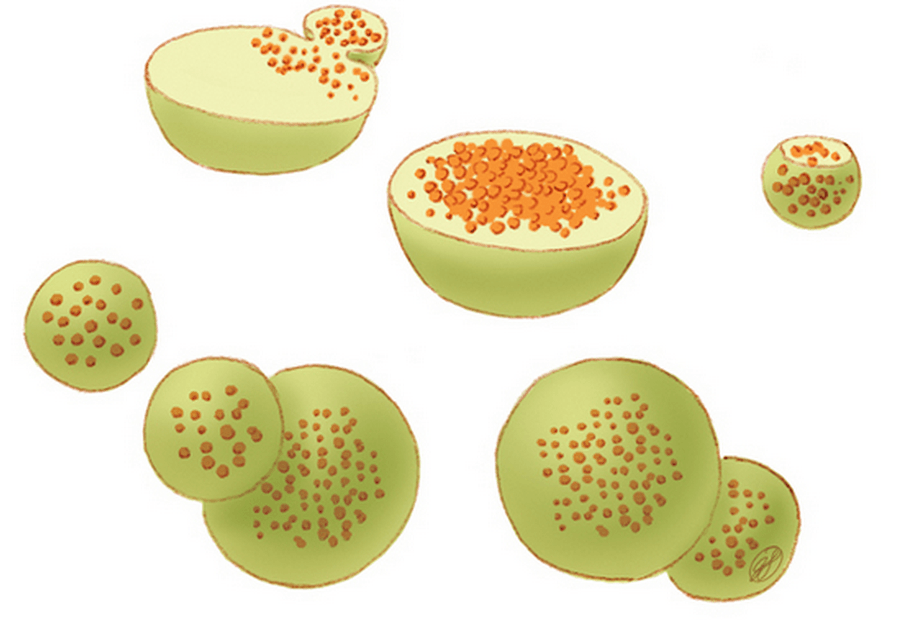
What type of organelle is used during endocytosis and exocytosis?
a)
Endoplasmic Reticulum
b)
Golgi Body
c)
Vesicle
d)
Lysosome
23.
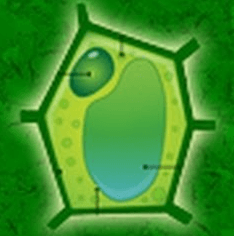
Which organelle is only found in a plant cell? 
a)
nucleus
b)
chloroplast
c)
mitochondria
d)
cell membrane
24.
Directs all cell activities through the DNA located there.
a)
Lysosomes
b)
Nucleus
c)
ribosomes
d)
Mitochondria
25.
Which of the following is directly involved in the transportation of materials inside/within the cell?
a)
Endoplasmic Reticulum
b)
Vacuole
c)
Lysosome
d)
Mitochondria
26.
I am a protein packaging and shipping machine! Who am I?
a)
vacuole
b)
ribosome
c)
mitochondrion
d)
golgi apparatus
27.
You might think of me as the trash collector, but recycler is maybe more accurate. What am I?
a)
mitochondria
b)
lysosome
c)
vacuole
d)
ribosome
28.
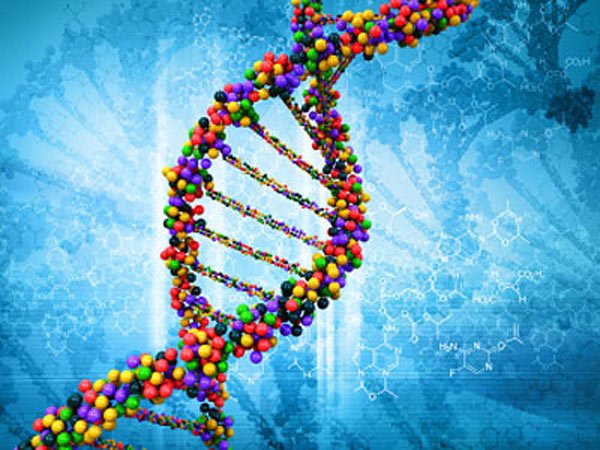
What is the name of the genetic material that is inside the nucleus?
a)
ER
b)
ATP
c)
YOLO
d)
DNA
29.
What is found in both plant and animal cells but is much larger in plant cells?
a)
Nucleus
b)
Mitochondria
c)
Chloroplast
d)
Vacuole
30.
Where are proteins made?
a)
Golgi body
b)
Mitoichondria
c)
Chromosomes
d)
Ribosomes
31.
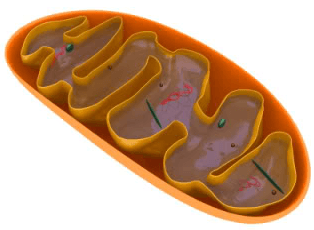
This organelle takes food and turns it into ENERGY for plant and animal cells.
a)
Chloroplast
b)
Mitochondria
c)
Lysosome
d)
Ribosome
32.
The site of photosynthesis
a)
ribosome
b)
mitochondria
c)
chloroplast
d)
nucleus
33.
I am the outer most layer of an animal cell. What am I?
a)
cell wall
b)
nucleus
c)
cell membrane 
d)
cell skin
34.
What are tiny organelles that convert glucose into ATP?
a)
Ribosomes
b)
Vesicles
c)
Cytoskeleton
d)
Mitochondria
35.
A rigid layer that lies outside the cell's  membrane is...
a)
Cytoskeleton
b)
Cilia
c)
Cell Wall
d)
Flagella
36.
What organelle is called the "powerhouse" of a cell?

a)
Endoplasmic Reticulum
b)
Nucleus
c)
Mitochondria
d)
Nucleolus
37.
What is the gel-like substance inside of cells called?

a)
photoplasm
b)
photosynthesis
c)
cytoskeleton
d)
cytoplasm
38.

Main producer of ATP in all eukaryotes

a)

chloroplast

b)

mitochondria

c)

lysosome

d)

Smooth Endoplasmic Reticulum

39.

Which of the following describes the function of the nucleolus?

a)

Command Center for the Cell

b)

Produce initial parts of ribosomes

c)

To hold chromosomes

d)

To make DNA

40.

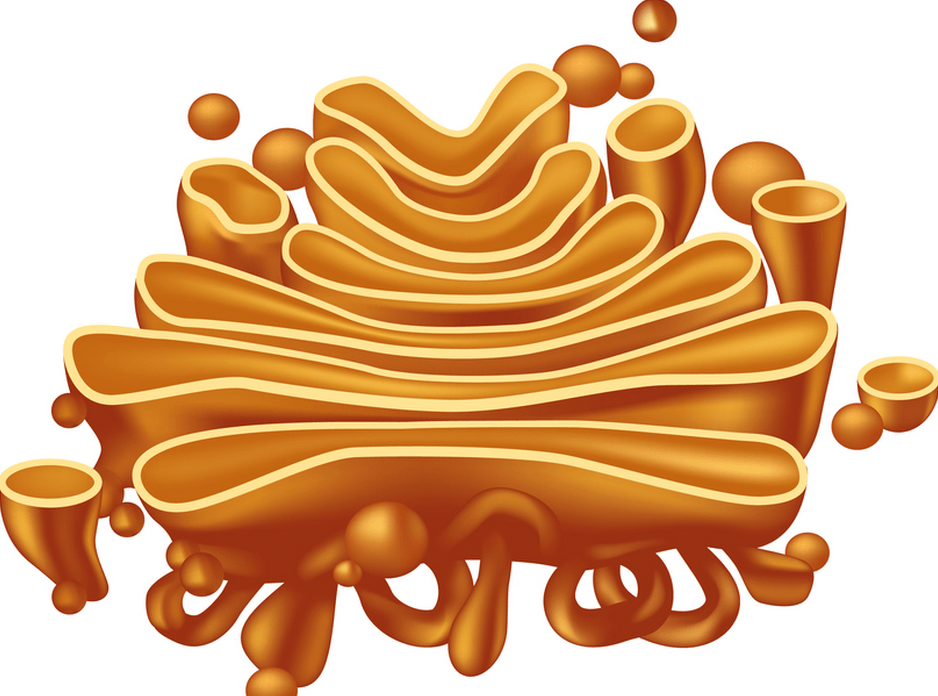
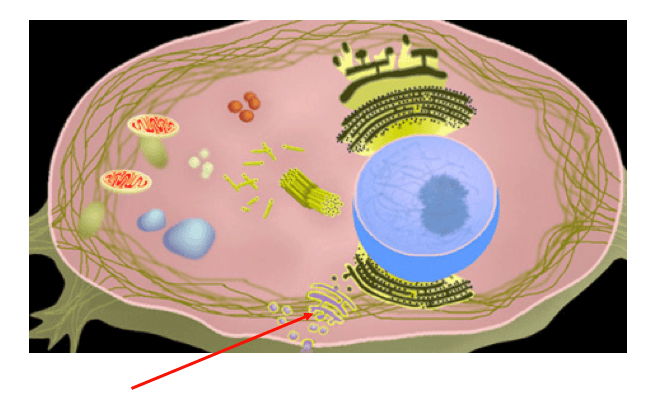
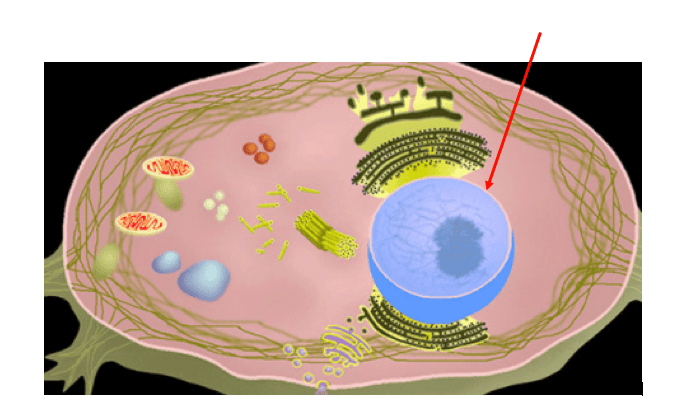
Identify the structure that the arrow is pointing to.

a)

Endoplasmic Reticulum

b)

Golgi Body

c)

Ribosome

d)

Mitochondria

41.

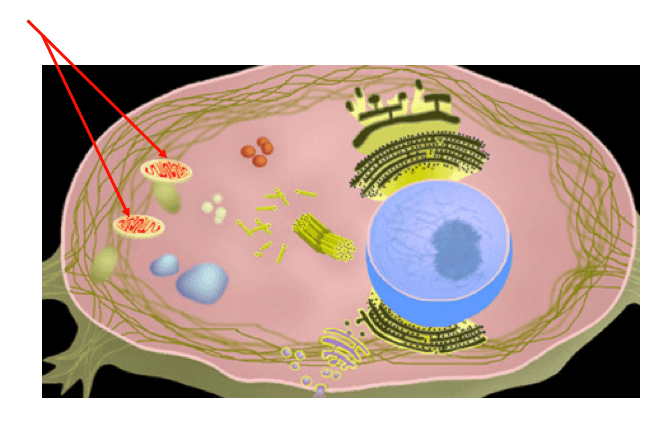
Identify the structures at the bottom of the arrows.

a)

Ribosomes

b)

Golgi Bodies

c)

Mitochondria

d)

Chloroplasts

42.

Identify the structure at the end of the arrow.

a)

Mitochondria

b)

Nucleus

c)

Ribosome

d)

Endoplasmic Reticulum

43.
What makes the endoplasmic reticulum rough?
a)
Vessicles
b)
Vacuoles
c)
Ribosomes
d)
Chromosomes
44.
"Conveyer belts" of the cells that help move things around within the cytoplasm: 
a)
Microtubules
b)
Centrioles
c)
Vesicles
d)
Sugar
45.
Long, stringy fibers that help with cell division: 
a)
Nuclear Envelope
b)
Nucleus
c)
Centrioles
d)
Chromatin
46.
Protective membrane that surrounds the nucleus: 
a)
Chromatin
b)
Vesicles 
c)
Centrioles
d)
Nuclear Envelope
47.
Another word for chromatin: 
a)
Genetic Material
b)
DNA
c)
Chromosomes
d)
All of the above
48.

The two structures that aid a cell in locomotion are cilia an (a)   .

49.

The (a)   is a group of fibrous proteins that provide structural support for cells.

50.

(a)   perform a couple of different functions, including lipid metabolism and chemical detoxification.