
 Worksheets
Safety rules and lab equipment.
Total questions: 40
Worksheet time: 1hrs 21mins

What should you do in the case of a chemical spill on your skin or clothing?
sit quietly, wipe it off
wipe it off, rinse with plenty of water
tell the teacher, rinse with plenty of water
wipe it off, remove clothing

What should you do with leftover chemicals after completing an experiment?
Always put any chemical in the sink with the teacher's permission or dump them in the provided waste container.
Take them home with you.
Always dump them in the sink.
You must put them into the original container, is not good to waste them.

This tool is used to holding substances, sometimes you can use for heating, its name is
(a)

When are you allowed to perform any laboratory work?
after you have read all the instructions, you did your flow chart
after you have read all the instructions, you did your flow chart and when your teacher is present
after you have read the instructions
After you collecting your materials

You should pipette by mouth
Always. It's a fast and efficient method of measuring liquids.
Only when you can't find a pipette bulb or think it might be dirty.
Only when you are sure your instructor, lab assistant, or co-worker isn't looking.
Never. And if you thought about answering yes to any other the other choices, should be expelled.

If you catch on fire you should
Panic. Yelling FIRE at the top of your lungs to let others know about the danger is good. Be sure to run as quickly as possible to blow out the flame.
Water fixes everything. Head for the nearest safety shower and drown the flame.
Pull the fire alarm and look for help. Hope the fire doesn't burn you too badly before you can take some form of action.
Smother the flame. Those blankets in the lab are there for a reason. Some fire doesn't really care about water, but all flames need oxygen. Get help, too. Tell to your teacher. You weren't working alone in the lab though, right?

The stirring rod is useful to
(a)

This tool is used to hold clamps, and to support other equipment, it is called
(a)

The name and use of this instrument is
(a)

Your glassware is clean enough to eat off of, which is why you poured yourself a refreshing glass of water into a beaker to quench your thirst. Too bad you didn't label it. You should
Go on with your business. Are you saying there is some safety issue here? I scoff at you!
Just be really careful about keeping it separate from other beakers filled with clear liquid.Hydrochloric acid.. water.. there is a difference, but I can smell the acid before I drink it.
Label it before you forget which beaker it is. You're sure there are no residual chemicals in the glassware and positive nothing could accidentally splash into your drink.
Look back to an earlier answer about how you should be slapped for foolishness. Food and drinks don't belong in the lab. Period.

How should you treat a minor skin burn?
Immediately cover it with a bandage.
Place it under cold running water.
Place it under warm running water.
Use a fire extinguisher.

Who must be told if you have a minor laboratory accident?
the teacher
the nurse
the principal
a parent

Which one, is not a piece of safety equipment that you should know how to find and operate in the laboratory?
eyewash station
first aid kit
fire hydrant
fume hood
A pipette must be used with one of these items


Which one, of these pieces of equipment is used for measuring accurate liquid volumes?


Which one of these instruments is useful for making the most accurate measurements of volumes?


The name of the tool is
(a)
A bunsen burner should be lit with which piece of equipment?


What is the name of this piece of glassware?
Erlenmeyer flask
Beaker
Burette
Watch glass

This instrument is used to heat, its name is
Beaker
Clay triangule
Crucible
Wire Gauze

what is the crucible used for?
Describe how you would safely smell a substance in the chemistry laboratory.

The following Hazzard pictogram meaning is
(a)
The Hazard Communication Standard (HCS) requires pictograms on labels to alert users of the chemical hazards to which they may be exposed. Each pictogram consists of a symbol on a white background framed within a red border and represents a distinct hazard(s). The pictogram on the label is determined by the chemical hazard classification.
If we are exposed to a substance that can cause aspiration toxicity, cancer, mutagenicity, reproductive toxicity.
The pictogram that we are going to find in the container is


Oxidizers may cause a fire by increasing the concentration of oxygen in the air.
Which of the following pictograms represents an oxidizer?


A Nation Fire Protection Association (NFPA) 704 hazard symbol utilizes four colors to indicate areas of a possible hazard. Which color represents health?
White
Blue
Red
Yellow
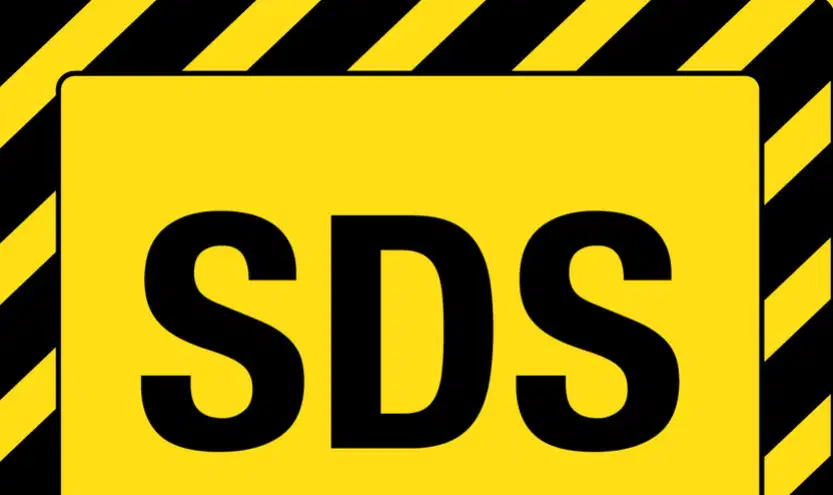
What does SDS stand for?
(a)

How should a science teacher or student interpret the following hazardous materials symbol: Blue 1, Red 3, Yellow 1, White blank?
The substance is completely safe.
The substance is slightly hazardous to health, highly flammable, and slightly unstable.
The substance is highly unstable, only slightly flammable, and health concerns are minor.
The substance is highly reactive, nonflammable, and health danger.

What section of the SDS tells you what is the name of your substance, who is the fabricant, where is address and phone number in case of emergency?
Section 3
Section 1
Section 2
Section 4
Causes of chemical spills include: (select all that apply).
inappropriate handling techniques
slippery floors
scattered cables
Inadeaquate storage practices
Dangers from the spills include... (select all the apply)
possible risk to the environment
contamination of other materials
risk of fire
delay in traffic when the federal government dealing with OHSA law is running to come for help with the spills.

Never clean up a spill if you don't know the hazards associated with the spill, or if you're unsure of the procedures to follow to clean up.
True
False
Maybe
None of the above
In the event of a chemical spill, first...
run towards the area to start evaluating the size and severity.
decide if you're knowledgeable or trained to handle the situation.
call security.
Call 911
MSDS means...
Most Specific Data Sheets
Material Safety Data Sheets
Major Spill Data Supply
None of the above
In the laboratory always...
Drop the water in the acid.
Drop the acids into the water.
Can drop acid and water at the same time.
All of the above are wrong.
Acid spills have to be treated with...
Water
Baking soda
Vinegar
all of the above

What is meant by "the culture of laboratory safety"?
Please explain
+ 3 points
Acids have a pH that is...
more than 7
less than 7
7
from 1 to 14
What is the substance we must use if a basic spill occurs on the workstation?
(a)
Write the steps you must follow to dispose of the lab wastes.

