wayground logo

Free Printable Worksheets

NEW

Font size

S
M
L
XL
Worksheets

Science Ch. 2 Test Review- Parts of a Cell

Total questions: 35

Worksheet time: 42mins

Name
Class
Date
1.

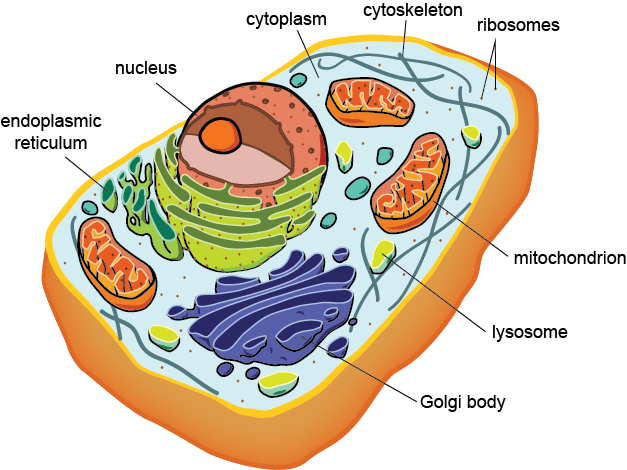
What helps with cell digestion and help to keep the cell clean?

a)

A Cell Membrane

b)

A Lysosome

c)

A Chromosome

d)

A Chloroplast

e)

A Nucleus

2.

What is a green structure in a plant cell where food is produced?

a)

A Cell Membrane

b)

A Lysosome

c)

A Chromosome

d)

A Chloroplast

e)

A Nucleus

3.

What is a long strand in the nucleus that stores directions for cell activities (blueprint of the cell)?

a)

A Cell Membrane

b)

A Lysosome

c)

A Chromosome

d)

A Chloroplast

e)

A Nucleus

4.

What is a cell’s outer covering, gives the cell shape and helps to control what moves in and out of the cell?

a)

A Cell Membrane

b)

A Lysosome

c)

A Chromosome

d)

A Chloroplast

e)

A Nucleus

5.

What is a rod shaped structure in the cytoplasm that supplies energy for the cell?

a)

A Mitochondria

b)

The Cytoplasm

c)

A Endoplasmic Reticulum

d)

A Vacuole

e)

A Ribosome

6.

What manufactures and transports materials throughout the cell?

a)

A Mitochondria

b)

The Cytoplasm

c)

A Endoplasmic Reticulum

d)

A Cell Wall

e)

A Ribosome

7.

What is a gel-like substance that surrounds a cell’s nucleus and is the place where most of the cell activities occur?

a)

A Mitochondria

b)

The Cytoplasm

c)

A Endoplasmic Reticulum

d)

A Cell Wall

e)

A Ribosome

8.

What is a stiff covering outside the cell membrane in a plant cell?

a)

A Mitochondria

b)

The Cytoplasm

c)

A Endoplasmic Reticulum

d)

A Cell Wall

e)

A Ribosome

9.

What is found in the cytoplasm, these are where proteins are made?

a)

A Mitochondria

b)

The Cytoplasm

c)

A Endoplasmic Reticulum

d)

A Cell Wall

e)

A Ribosome

10.
The ____________ regulates what enters and leaves the cell.
a)
mitochondria
b)
cell membrane
c)
golgi bodies
d)
cytoplasm
11.
The _________ holds the dna for the cell
a)
vacuole
b)
smooth ER
c)
rough ER
d)
nucleus
12.
_________ ship and package materials
a)
Golgi bodies
b)
Mitochondria
c)
Rough endoplasmic reticulum
d)
Smooth endoplasmic reticulim
13.
A specialized structure inside of the cell are known as _____________.
a)
organ
b)
items
c)
organelle
d)
excess materials
14.
Which is a structure that not all cells have?
a)
nucleus
b)
DNA
c)
cell membrane
d)
organelles
15.
This cellular structure's function is to do photosynthesis in order to make oxygen and glucose (only present in the green leaves of plant cells)
a)
mitochondria
b)
chloroplast
c)
nucleus
d)
DNA
16.
This cell structure's function is to be the control center of the cell because it contains the DNA, the genetic instructions for all the jobs in the cell. 
a)
Nucleus
b)
cell membrane
c)
mitochondria
d)
ribosomes
17.

storage tanks that hold water and other materials inside a cell, plant cells usually have only one large one but animal cells tend to have several smaller ones

a)

vacuoles

b)

ribosomes

c)

endoplasmic reticulum (ER)

d)

Golgi apparatus

18.

tiny factories that make things a cell needs, like proteins to build new structures or repair damage

a)

ribosomes

b)

endoplasmic reticulum (ER)

c)

chloroplast

d)

vacuoles

19.

a transportation network that takes molecules in the cell to where they need to go

a)

nucleus

b)

Golgi apparatus

c)

cell wall

d)

endoplasmic reticulum – ER

20.
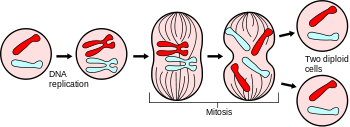
A process where one cell forms two identical daughter cells is called...
a)
cell cycle
b)
cell division (mitosis)
c)
interphase
d)
cytokinesis
21.
The cell cycle is ______________.
a)
the process of cells circling throughout the body
b)
the process of splitting the organelles
c)
a process where one cell gets energy
d)
the sequence of stages of growth and division that a cell undergoes
22.
What does DNA stand for?
a)
DeNatured Acid
b)
DomiNant Acid
c)
DeoxyriboNucleic Acid
d)
DiriboNucleic Acid
23.
What is the  two daughter strands of replicated chromatin that are condensed into two rod shaped structures and connected by a centromere called?
a)
DNA
b)
chromatin
c)
chromatid
d)
chromosome
24.

The 3 parts of the Cell Theory are...?

a)

All living things are composed of cells

Cells are the basic units of structure and function in living things

All cells are produced from other cells

b)

All living things are composed of cells

Cells are the basic units of dance and vibes in living things

All cells are destroyed from other aliens

c)

All living things are composed of Jell-O

Cells are the basic units of structure and function in living things

All cells are produced from factories in Canada

d)

All living things are composed of cells

Cells do karate and practice eating whole pies in their free time

All cells are produced from other cells
25.
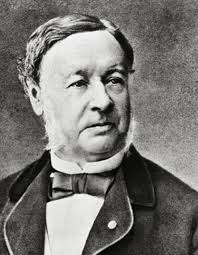
Which of the following scientists concluded that all animals are made of cells?
a)
Rudolf Virchow
b)
Matthais Schleiden
c)
Robert Hooke
d)
Theodor Schwann
26.
Which of the following scientists was the first to observe bacteria?
a)
Anton van Leuwenhoek
b)
Matthais Schleiden
c)
Robert Hooke
d)
Theodor Schwann
27.
Which of the following statements is not part of the cell theory?
a)
Cells are the basic unit of structure and function in all living things.
b)
All cells are produced from other cells.
c)
Only animal cells are composed of cells.
d)
All living things are composed of cells.
28.
The invention of the microscope made it possible for people to discover and learn about
a)
Plants
b)
Skin 
c)
Animals 
d)
Cells
29.
What is one way in which all living things on Earth are alike?
a)
All living things have hair.
b)
All living things are made of cells and come from other cells.
c)
The cells of all living things have chloroplast.
d)
All living things can move. 
30.

When cells are damaged, new cells are created by cell a process called cell division. How does the cell theory support this fact?

a)

It states that all cells have a nucleus which divides.

b)

It states that all living things are made up of one or more cells.

c)

It states that cells come from previously existing cells.

d)

It states that the basic units of structure and function are cells.

31.
Which scientist did NOT contribute to the cell theory?
a)
Anton Van Leeuwenhoek
b)

Robert Hooke
c)
Albert Einstein 
d)

Matthias Schleiden
32.
Who was the "scientist" who observed pond water and teeth scrapings in his microscope?
a)
Hooke
b)
Leeuwenhoek
c)
Schleidian
d)
Virchow
33.
Who looked at cork and named the cell?
a)
Robert Hooke
b)
Van Leeuwenhoek
c)
Robert Brown
d)
Francesco Redi
34.
An organism made of one cell is called
a)
unicellular organism
b)
multicellular organism
35.
How are unicellular organisms different from multicellular organisms? 
a)
There are no differences.
b)
They are made of many cells. 
c)
They are only classified as prokaryotes.
d)
They are made of only one cell.