wayground logo

Free Printable Worksheets

NEW

Font size

S
M
L
XL
Worksheets

Ecology Lecture 2C & 2D- Cycles & Relationships

Total questions: 23

Worksheet time: 17mins

Name
Class
Date
1.

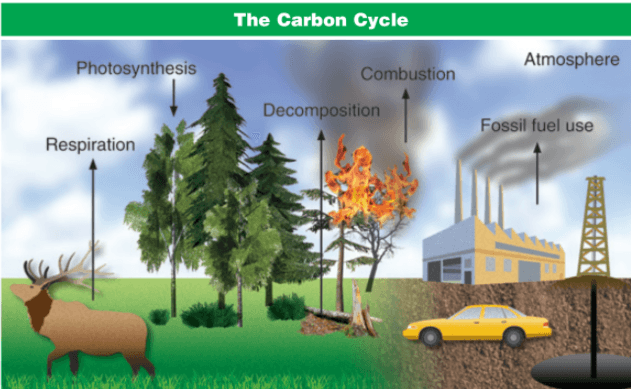
________________________ is part of the air, rocks, soil, and all living things.

a)

Nitrogen

b)

Carbon

c)

Water

d)

Silver

2.

When humans EXHALE, we release ____________________.

a)

Oxygen

b)

Nitrogen

c)

Water

d)

Carbon Dioxide

3.

What is CO2?

a)

Carbon Monoxide

b)

Carbon Dioxide

c)

Carbon Trioxide

d)

Oxygen

4.

If the plant population decreased, the amount of carbon in the atmosphere would ____________________.

a)

Increase

b)

Decrease

c)

Stay the same

5.

How do humans affect the carbon cycle?

a)

Inhaling oxygen

b)

Wearing sunscreen

c)

Using pencils to write

d)

Exhaling carbon dioxide

6.
Burning fossil fuel has which effect in the carbon cycle?
a)
It removes carbon dioxide from the atmosphere.
b)
It puts carbon dioxide under the ground.
c)
It adds carbon dioxide to the atmosphere.
d)
It has no effect in the carbon cycle.
7.
Which process takes carbon dioxide out of the atmosphere?
a)
respiration
b)
combustion
c)
decomposition
d)
photosynthesis
8.
When humans burn fossil fuels, most of the carbon quickly enters the                       as carbon dioxide.
a)
Water
b)
Atmosphere
c)
Sun
d)
Air
9.
Which one of these does not add CO2 to the atmosphere?
a)
cooking with gas
b)
planting trees
c)
burning wood
d)
riding in a bus
10.
What does not produce carbon dioxide?
a)
Photosynthesis
b)
Burning Fossil Fuels
c)
Animal respiration
d)
Plants decaying
11.
All of the carbon in existence is continually recycled in the carbon cycle
a)
True
b)
False
12.

Which is a true statement?

a)

Humans depend on oxygen, plants depend on carbon dioxide

b)

Plants produce carbon dioxide

c)

Humans depend on carbon dioxide, plants depend on oxygen

d)

Humans don't depend on plants for the air they need
13.
A relationship between two organisms in which one organism benefits and the other is unharmed...
a)
Mutualism 
b)
Competition
c)
Parasitsm 
d)
Commensalism 
14.
A relationship between two organisms in which both organisms benefit. 
a)
Mutualism 
b)
Competition
c)
Parasitsm 
d)
Commensalism 
15.
Which of he following interactions demonstrates a PARASITIC relationship?
a)
A mosquito sucking blood from a warm blooded animal.
b)
A group of baby otters floating together to help warm each other in the cold waters.
c)
Many fish swimming together to protect each other from predators.
d)
Two hyenas fighting over a female to mate with.
16.

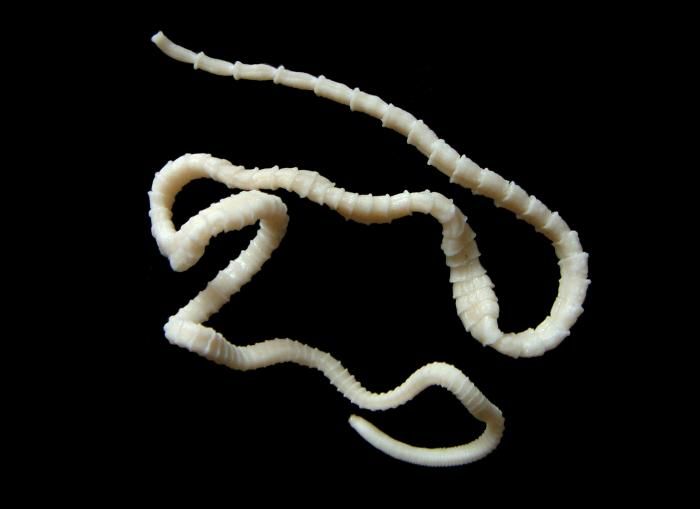
A tapeworm lives in the intestine of a cat absorbing nutrients through its skin. A tapeworm and a cat have this type of relationship.

a)

mutualism

b)

parasitism

c)

commensalism

d)

competition

17.
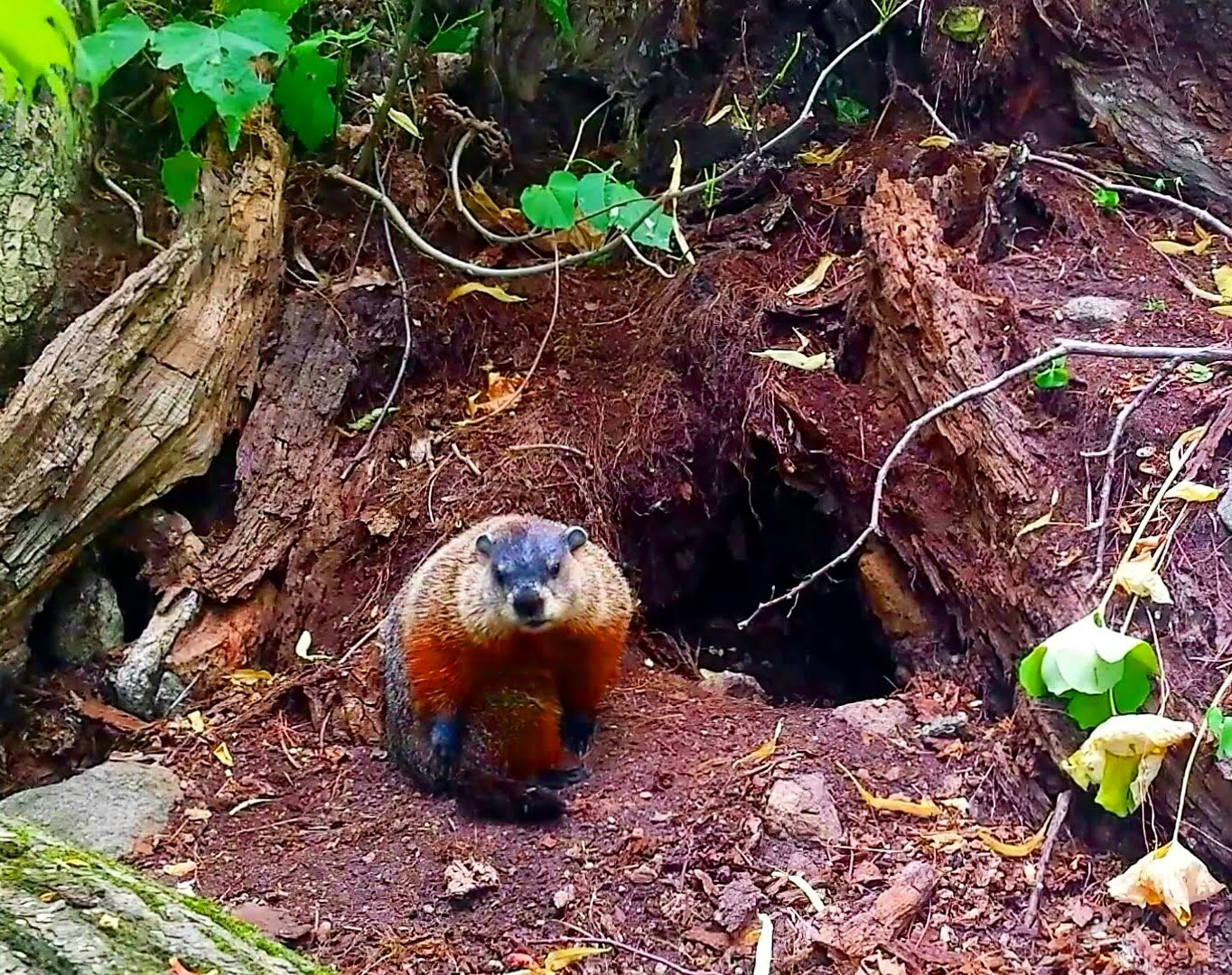
What type of symbiosis?  Skunks often live in burrows that have been dug and abandoned by woodchucks.  
a)
commensalism
b)
mutualism
c)
parasitism
d)
predation
18.
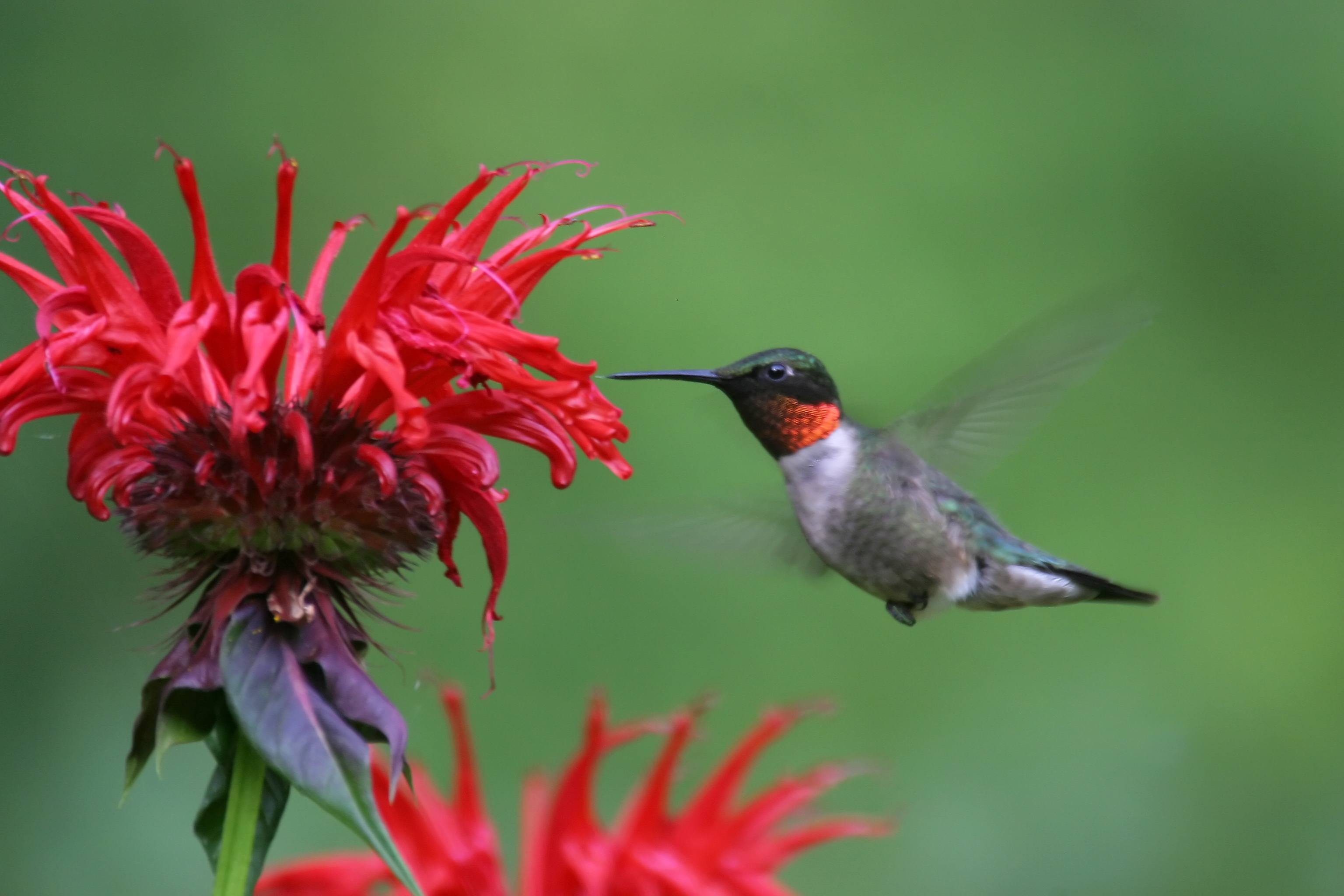
What type of symbiosis?  Hummingbirds feed on nectar from flowers.  The flowers are pollinated by hummingbirds as they move from flower to flower.
a)
commensalism
b)
mutualism
c)
parasitism
d)
predation
19.

Mockingbirds will push the eggs out of a blue bird's nest and use the nest for it's own babies illustrating...

a)

commensalism

b)

parasitism

c)

mutualism

d)

predation

20.

Hookworms enter the human body by burrowing into the skin of the feet. Once in the skin, they enter the bloodstream and travel to the small intestine where they attach to the walls and begin to drink the person's blood and weaken the victim.

a)

mutualism

b)

commensalism

c)

parasitism

21.

Lactobacilli are a type of bacteria that live in our lungs and destroy many of the microorganisms that enter our respiratory system. They are highly adapted to living in our lungs and can't survive in many other habitats.

a)

mutualism

b)

commensalism

c)

parasitism

22.
What might occur when a carnivore is removed from the food web?
a)
A)  Nothing.  Organisms cannot impact things below them on the energy pyramid.
b)
B)  Primary consumers will overpopulate.
c)
C)  Plants will be over browsed by herbivores.
d)
D)  both B and C might occur.
23.
relationship in which two species live closely together
a)
resource
b)
mutualism
c)
succession
d)
symbiosis