
 Worksheets
Unit 2A (Cell Theory & Cell Structure) Review
Total questions: 32
Worksheet time: 8hrs 0mins
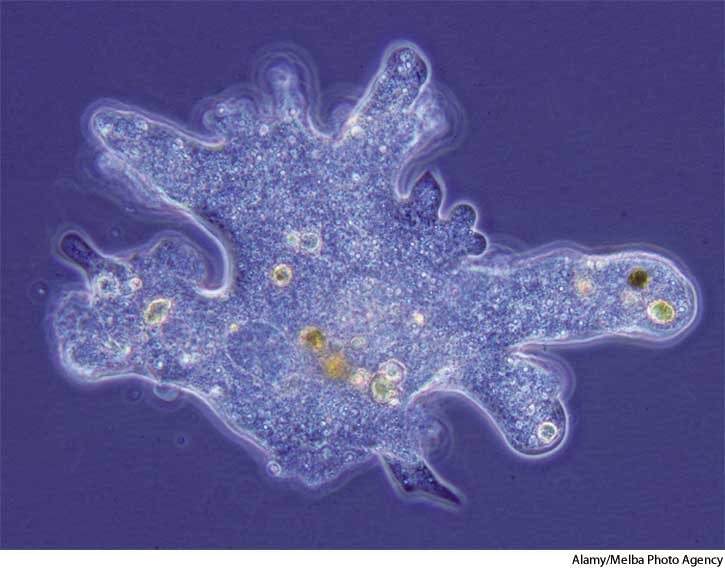


Which of the following is NOT a part of cell theory?
All living things are made of cells
All cells come from pre-existing cells
Cells are the basic unit of structure and function of all living things
All living things are made of more than one cell.
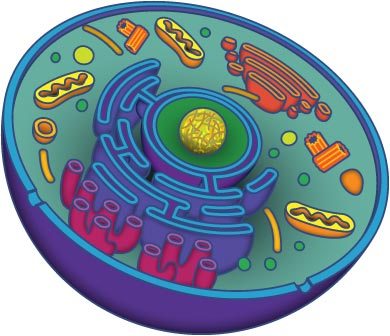
According to cell theory, all living things are made up of...
cells
tissues
organ
organ systems
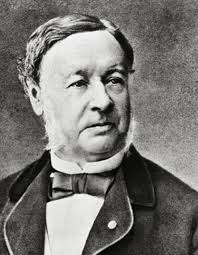


Which organelle controls the cell through the DNA that lives inside?
Lysosomes
Nucleus
ribosomes
Mitochondria
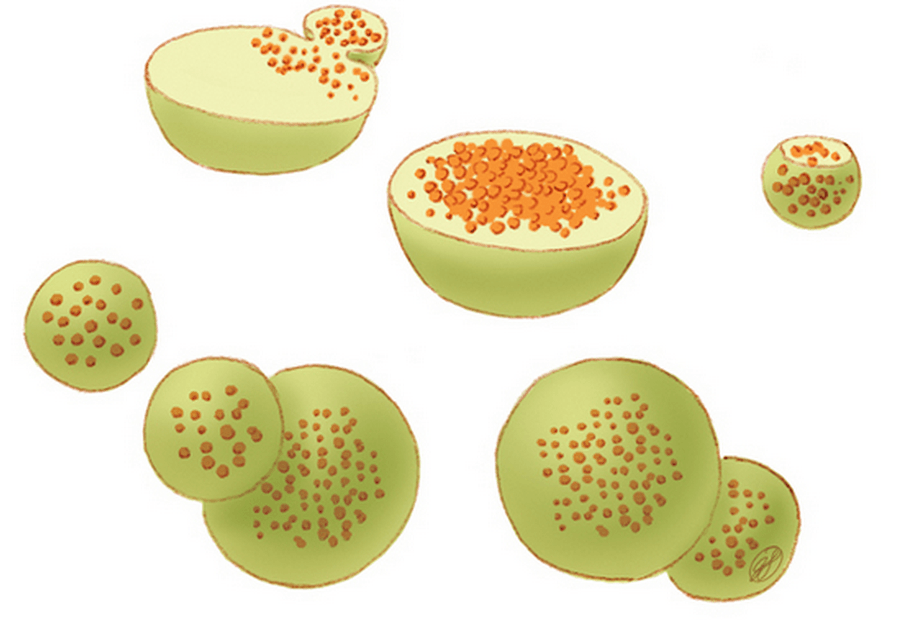
This organelle is found only in animal cells and breaks down wastes.
mitochondria
lysosome
vacuole
ribosome
This organelle is where protein synthesis happens (or where proteins are made).
Golgi body
Mitoichondria
Chromosomes
Ribosomes
This organelle is the site of photosynthesis
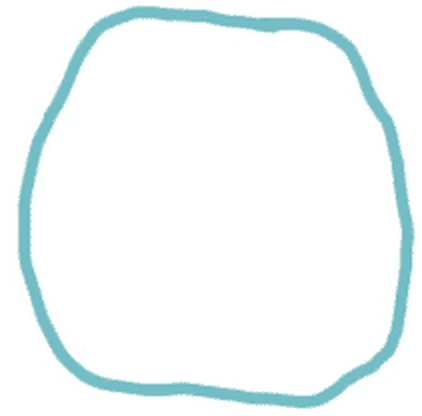
This organelle controls what enters and exits any cell.
cell wall
nucleus
cell membrane
cell skin
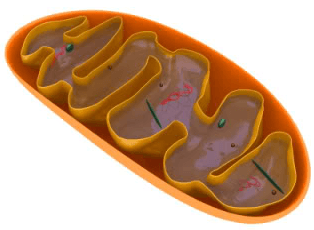
This organelle is known as the powerhouse of the cell because it is where cellular respiration happens (where sugars are broken down and converted into chemical energy)
Ribosomes
Vesicles
Cytoskeleton
Mitochondria
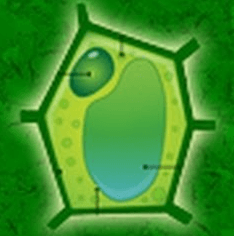
A rigid layer that lies outside the cell's membrane in plant cells and some bacteria cells is...
Cytoskeleton
Cilia
Cell Wall
Flagella
What is the gel-like substance that holds the organelles in place called?
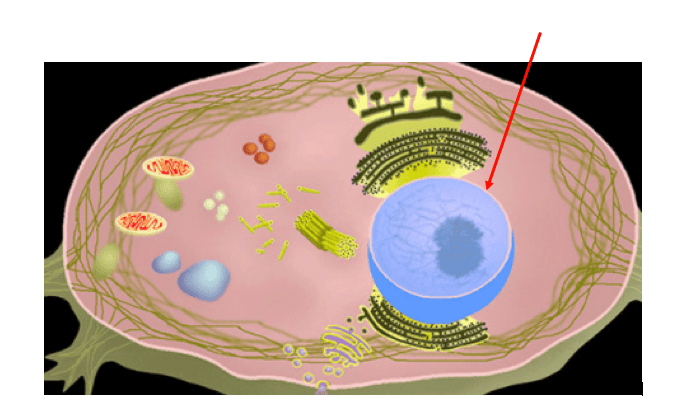
Identify the structure at the end of the arrow.
Mitochondria
Nucleus
Ribosome
Endoplasmic Reticulum
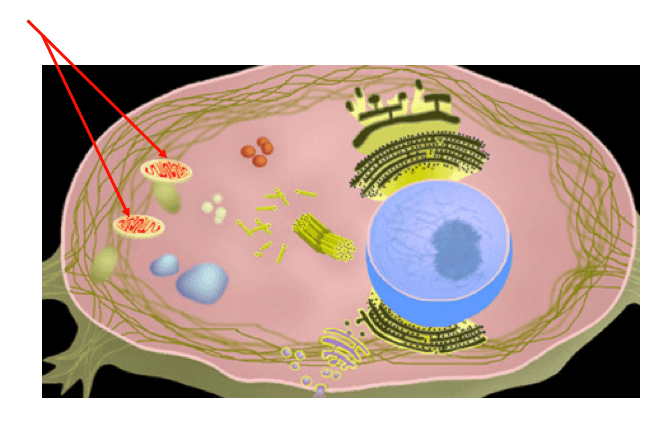
Identify the structures at the bottom of the arrows.
Ribosomes
Golgi Bodies
Mitochondria
Chloroplasts
Which of the following is a difference between a prokaryotic cell and a eukaryotic cell?
Prokaryote cells have no nucleus or membrane bound organelles, but eukaryotic cells do
Eukaryotic cells do not have a nucleus or membrane bound organelles, but prokaryotes do
Prokaryote cells have circular DNA and eukaryotic cells have linear DNA
Prokaryotic cells have a cell membrane but eukaryotic cells do not


What organelle is this?
cell wall
mitochondria
cytoplasm
chloroplast
A scientist looks under a microscope and sees a cell that is circular in shape, has a nucleus, and a cell membrane. What type of cell are they most likely looking at?
Animal cell
Plant cell
Bacteria cell
Prokaryotic cell
A cell is unable to make proteins. Which organelle is most likely damaged?
Ribosomes
Cell membrane
Cell wall
Vacuole
Which of the following is found ONLY in eukaryotic cells and not in prokaryotic cells?
Cell Membrane
Ribosome
Cytoplasm
Golgi Body
Choose the statement below that is TRUE.
Plant and animal cells both have cell walls so the cell can maintain its shape.
Animal cells do not have chloroplasts because animals do not require the use of photosynthesis to produce their food.
Plant cells do not have a nucleus because plants are not living organisms like animals are.
Animal cells do not have cytoplasm because an animal cell's organelles are free to move around as they please.

Using this image, what organelle is C?
Cell Wall
Mitochondria
Large Cell Vacuole
Chloroplast

Which organelle receives proteins and materials from the ER, packages them and distributes them?
Vacuoles
Golgi Bodies
Nucleus
Chromatin

