
NEW
Font size
 Worksheets
Types of Irony Practice
Total questions: 18
Worksheet time: 14mins
A small child does not flush the toilet, and the mother says, "I really appreciate when you flush the toilet! Thank you for remembering your manners!"
dramatic irony
situational irony
verbal irony
In Snow White and the Seven Dwarves, we know that the old woman bringing the apple is the wicked queen who wants to kill Snow White, but she does not. She purchases the apple, takes a bite, and falls.
dramatic irony
situational irony
verbal irony
In the Gift of the Magi, the wife cuts her long hair and sells it to have the money to buy her husband a pocket watch chain. He sells his watch to buy her a hair accessory, leaving both with a useless gift, which was not what they expected for their efforts.
dramatic irony
situational irony
verbal irony
In Macbeth, King Duncan says that he trusts Macbeth ("he was a gentleman on whom I built an absolute trust), but the audience knows that Macbeth is plotting to kill Duncan.
situational irony
dramatic irony
verbal irony
In Beauty and the Beast, an animated Disney movie, Belle refuses to marry Gaston by saying "I just don't deserve you!"
dramatic irony
situational irony
verbal irony
A student who goes to the restroom every day during class asks the teacher if he can go. Her response is "Sure, it's not like we do anything important in this class."
situational irony
verbal irony
dramatic irony
In Story of an Hour, when a wife hears of her husband's death she begins to imagine a life of freedom without him, but he suddenly returns home alive and well. This is so unexpected that she drops dead of shock in a twist that surprises both the characters and the reader.
situational irony
dramatic irony
verbal irony
In the movie Annie, the orphans say, "We love you Ms. Hannigan," to their guardian who is mean to them.
situational irony
verbal irony
dramatic irony
Romeo and Juliet by William Shakespeare - "O my love, my wife! Death, that hath sucked the honey of thy breath, Hath had no power yet upon thy beauty." Romeo finds Juliet drugged and assumes she is dead. He kills himself but then she awakens, sees that he is dead and kills herself. This is ironic because both lovers killed themselves over a mistaken assumption, leading to a tragic outcome instead of the happy ending the lovers expected.
dramatic irony
situational irony
verbal irony
When the audience knows more than the character
Verbal irony
Dramatic irony
Situational irony
None
Saying one thing but meaning the opposite
Situational irony
Dramatic irony
Verbal irony
None
When the opposite of what we expect occurs
Situational irony
Verbal irony
Dramatic irony
None
A pilot is afraid of heights.
situational irony
verbal irony
dramatic irony
none
The Titanic, the most indestructible ship on the ocean, hits an iceberg and sinks.
verbal irony
dramatic irony
situational irony
none

What example of irony can be found in this picture?
dramatic
verbal
situational
none
A marriage counselor gets divorced.
situational irony
dramatic irony
verbal irony
none

This chair looks SO relaxing!
situational irony
dramatic irony
verbal irony
none
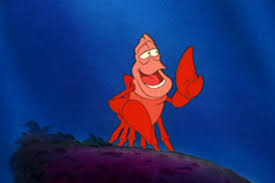
Poor Steve was feeling down because none of his friends wished him a happy birthday at school that day. On his way home from school, he got a call from his mom telling him to stop at the neighbor's to pick up a package that was accidentally delivered to the wrong house. When Steve arrived and rang the bell, all of his friends and family jumped out from behind the furniture and yelled, "Surprise! Happy Birthday!" This is an example of what type of irony?
DRAMATIC
SITUATIONAL
VERBAL
NONE

