Worksheets
Unit B10 - Asexual reproduction
Total questions: 12
Worksheet time: 6mins

___________________ is a type of asexual reproduction in which a piece of a parent organism breaks off to form an new organism (ex. starfish).
fission
budding
fragmentation
fertiliztion

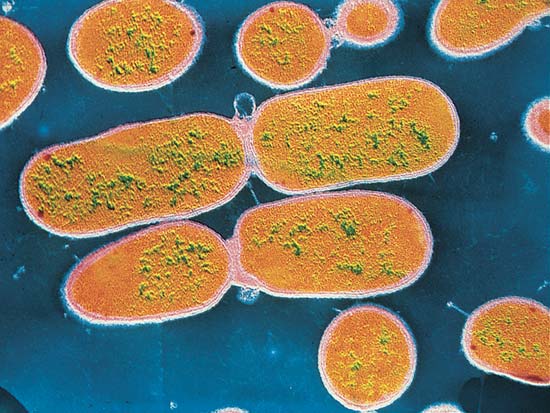
When a single-celled organism splits into 2 new organisms it is called _________________.
fragmentation
fission
budding
sporulation
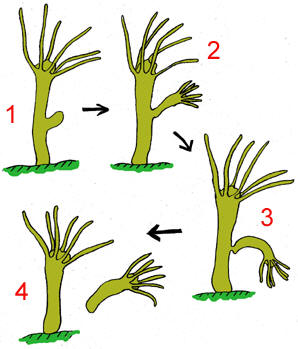
When an offspring grows off from the body of a parent organism it is called __________________.
budding
fission
fragmentation
sporulation
Male and female reproductive cells are collectively known as:
spores
pollen
gametes
offspring
How many parents are required for sexual reproduction?
0
1
2
3
The movement of pollen from one flower to another flower
zygote
pollination
internal fertilization
fertilization
Male reproductive cell in plants
sperm
zygote
egg
pollen
Identical copy of parent
zygote
clone
sperm
pollen

Which of the following is not a benefit of asexual reproduction?
Offspring will be successful in an unchanged environment.
Good at adapting to changing environments.
Only requires one parent to produce offspring.
Can reproduce rapidly.
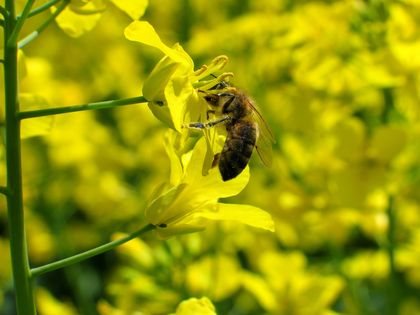
What is the big advantage of sexual reproduction?
Can quickly grow the population
Offspring are guaranteed to be successful in an unchanged environment.
Only one parent is required to reproduce.
Can adapt to changing environments

A mode of reproduction by which an organism arises from a single organism and inherit the identical genes of that parent
Asexual Reproduction
Sexual Reproduction
Genetic Variation
Alleles