wayground logo

Free Printable Worksheets

Font size

S
M
L
XL
Worksheets

World History.Midterm Review Fall 2020

Total questions: 105

Worksheet time: 1hrs 24mins

Name
Class
Date
1.

A philosophy that calls for very little or no government involvement in the economy.

a)

Industrial Capitalist

b)

Economics

c)

Supply and Demand

d)

Laissez-Faire

2.
Laissez-faire means...
a)
natural rights
b)
iron law of wages
c)
let it happen
d)
tabula rasa
3.

This social class grew during the Industrial Revolution.

a)

Lower Class

b)

Working Class

c)

Upper Class

d)

None grew

4.
Smith believed that the economy operated according to three natural laws involving this concept...
a)
self-interest
b)
compassion
c)
citizenship
d)
trustworthiness 
5.

While Adam Smith believed that the government should be involved in all of the following areas EXCEPT:

a)

military

b)

property

c)

business

d)

public works

6.

Who is the famous economist, defender of free-markets, author of The Wealth of Nations? His writings are considered a foundation for the economic system of capitalism.

a)

Adam Smith

b)

Karl Marx

c)

Friedrich Engels

d)

Weyland Yutani

7.
How would you summarize this quote: "As every individual, therefore, endeavours as much as he can both to employ his capital in the support of domestic industry, and so to direct that industry that its produce may be of the greatest value; every individual necessarily labours to render the annual revenue of the society as great as he can. He generally, indeed, neither intends to promote the public interest, nor knows how much he is promoting it."
a)
In conclusion, each person makes the most of his own work, and without realizing it helps others. What is good for the society, also happens to be good for individuals
b)
In conclusion, each person should focus on his own work and give his yearly salary to the public 
8.
Review this quote: "...he intends only his own security; and by directing that industry in such a manner as its produce may be of the greatest value, he intends only his own gain, and he is in this, as in many other cases, led by an invisible hand to promote an end which was no part of his intention. Nor is it always the worse for the society that it was no part of it. By pursuing his own interest he frequently promotes that of the society more effectually than when he really intends to promote it.  What is meant by the invisible hand?
a)
An actual invisible hand guides economic outcomes, and freedom is created. 
b)
The invisible hand is a metaphor or a symbol of "market forces" in the free-market system.  These market forces lead to good outcomes without any central planning. 
9.
In which country did the Industrial Revolution begin?
a)
The United States
b)
England
c)
France
d)
Germany
10.
What had to occur before the Industrial Revolution could take place?
a)
The Economic Revolution
b)
The Glorious Revolution
c)
The Agricultural Revolution
d)
The French Revolution
11.
How did the Agricultural Revolution impact farmers?
a)
New farming methods required more workers on the farm.
b)
New farming methods produced bigger harvests with less farmers.
12.
Which 2 natural resources were the backbone of the Industrial Revolution?
a)
wood and peat
b)
oil and natural gas
c)
coal and iron
d)
cotton and tobacco
13.
England is an island. Why was this an advantage during the Industrial Revolution?
a)
It wasn't an advantage.
b)
It made it more difficult for other countries to steal England's ideas.
c)
England has many ports and rivers which allow easier worldwide trade.
d)
England had tropical weather, which allowed more crops to be grown.
14.
Which innovation  allowed factories to be built anywhere?
a)
flying shuttle
b)
spinning jenny
c)
cotton gin
d)
steam engine
15.
What is the movement of people from rural to urban areas called?
a)
ruralization
b)
colonization
c)
inflation
d)
urbanization
16.
The system in which the government owns and controls the means of production, such as mines and factories, is called?
a)
fascism
b)
socialism
c)
capitalism
d)
mercantilism
17.
Who designed the first efficient steam engine?
a)
James Hargreaves
b)
John Kay
c)
Richard Arkwright
d)
James Watt
18.
Which of the following was NOT associated with early factory working conditions?
a)
Low wages
b)
Safe working conditions
c)
Dangerous working conditions
d)
Widespread pollution
19.
What product was first made using machines in factories?
a)
Steel
b)
textiles
c)
locomotives
d)
flying shuttles
20.
How did railroads impact the prices of goods & services?
a)
Made them more expensive & harder to ship
b)
made them cheaper & easier to ship
c)
Gave people a way of transportation
21.
Businesses that are owned by investors....
a)
companies
b)
stocks
c)
corporations
d)
shares
22.
Stocks are
a)
Shares in a business
b)
owning a whole business
23.
How did the Industrial Revolution affect the cities?
a)
Made the crime rate decrease
b)
Led to an increase in farm workers
c)
Make the cities cleaner and safer
d)
Led to an increase in population in the cities
24.
During the Industrial Revolution, transportation was improved by having more:
a)
airplanes
b)
canals & paved roads
c)
taxi service
d)
time because there was no Netflix
25.
Who Invented the cotton gin and interchangeable parts
a)
Eli Whitney
b)
Robert Fulton
c)
Slater
d)
Lowell
26.

Some of the machines invented in the 18th and 19th centuries are:

a)

telephones, geographic positioning system, radios, airplanes

b)

steam engine, railroads, flying shuttle, phonograph, steam ships, light bulb

c)

sailboats, automobiles, wheel barrels, clocks, word processors

d)

automatic washer, hair dryer, rockets, space shuttles

27.

Capitalism is

a)

An economic system in which the means of production are privately owned and money is invested to make profits.

b)

An economic system in which the means of production are owned by the public (government) and operate for the welfare of all.

28.
Socialism is
a)
an economic system in which the factors of production are owned by the public and operate for the welfare of all.
b)
an economic system in which the factors of production are privately owned and money is invested in business ventures to make a profit.
29.

Money or wealth used to invest in business or enterprise

a)

Tenement

b)

Entrepreneur

c)

Capital

d)

Urbanization

30.

The process of taking over and consolidating land formerly shared by peasant farmers.

a)

Tenement

b)

Proletariat

c)

Enclosures

d)

Urbanization

31.

A workers organization

a)

Labor Union

b)

Enclosure

c)

Capital

d)

Tenement

32.

Farms, Factories, Railways, and other large businesses that produce and distribute goods

a)

Turnpike

b)

Urbanization

c)

Means of Production

d)

Enclosure

33.

Multistory building divided into crowded apartments

a)

Enclosure

b)

Tenement

c)

Turnpike

d)

High Rise

34.

This man improved the steam engine design

a)

James Watt

b)

Robert Owen

c)

Jeremy Bentham

d)

Thomas Malthus

35.

Why were women preferred in factory work?

a)

more women than men sought employment

b)

employers could pay women less then men

c)

women were less likely to have an accident

d)

women were more willing to work long hours

36.
Who Invented the Spinning Jenny?
a)
Hargreaves
b)
Watt
c)
Bessemer
d)
Whitney 
37.

An organization of workers dedicated to protecting members' interests and improving wages, hours and working conditions for all.

a)

Labor Union

b)

Workers Rights

c)

Worker Strikes

d)

Collective Bargaining

38.
_______ is when workers refuse to work in order to force an employer to meet their demands.
a)
labor unions
b)
party
c)
strike
d)
sweatshop
39.

Formation of national labor unions in the late 1800's was mainly because of

a)

passage of laws that supported workers

b)

laws restricting immigration

c)

poor working conditions and low wages

d)

economic depression that led to high unemployment

40.

What was NOT a reason for rural-to-urban migration?

a)

the enclosure movement

b)

increase in farming jobs

c)

better jobs available in the factories

d)

better farming inventions and techniques

41.
The cottage industry can best be described as
a)
hand made clothes at home
b)
hand made clothes in a factory
c)
mass produced clothes in a factory
d)
mass produced clothes at home
42.
What improved transportation during the Industrial Revolution?
a)
steam
b)
flying jenny
c)
seed drill
d)
cotton gin
43.

Who invented the steam engine?

a)

Eli Whitney

b)

James Watt

c)

Karl Marx

d)

Samuel Slater

44.

What was the Spinning Jenny used for?

a)

Weaving Cloth

b)

Sorting Cotting

c)

Making Electricity

d)

Transportation

45.

Which one of the inventions from your chart changed the way goods and people were transported?

a)

Telephone

b)

Light Bulb

c)

Steam Engine

d)

Cotton Gin

46.

Who invented the Spinning Jenny?

a)

Thomas Edison

b)

James Hargreaves

c)

Albert Einstein

d)

Eli Whitney

47.

Who invented the telegraph and communication code in 1840?

a)

James Hargreaves

b)

John Deer

c)

Samuel Morse

d)

John Montressor

48.

How did new methods of mass production (assembly lines) contribute to the Industrial Revolution?

a)

by having skilled workers

b)

by creating products more quickly and cheaply

c)

by making many products that were more expensive

d)

by allowing products to be made more slowly and carefully

49.

All of the following are true about the telegraph EXCEPT

a)

was invented by Morse Code

b)

allowed people to communicate instantaneously

c)

allowed the government to share information quickly

d)

connected continents, like America to Europe

50.
Industries primarily concerned with the design or manufacture of clothing. The first industry to be changed by industrialization.
a)
voting industry
b)
textile industry
51.
Created by James Watt; used coal to heat water to boiling to run engines; improved transportation and allowed factories to be built anywhere because they did not need to be water-powered
a)
steam engine
b)
gas engine
52.

Reduced the amount of work needed to produce yarn, with a worker able to work eight or more spools at once

a)

Phonograph

b)

Radio

c)

Spinning Jenny

d)

Model T

53.

In 1783, Henry Cort developed a method of reducing the carbon content of pig iron. What was this process called?

a)

Blasting

b)

Puddling

c)

Boiling

d)

Smelting

54.
England is an island. Why was this an advantage during the Industrial Revolution?
a)
It wasn't an advantage.
b)
It made it more difficult for other countries to steal England's ideas.
c)
England has many ports and rivers which allow easier worldwide trade.
d)
England had tropical weather, which allowed more crops to be grown.
55.

What was the flying Shuttle

a)

the machine could spin up to 8 times more yarn than traditional method ​

b)

small device that could speed up the production of cloth ​

c)

a mix of a spinning jenny and a water frame

d)

a spinning wheel powered by water ​

56.

Who created the flying shuttle

a)

Samuel Crompton

b)

Edward Cartwright

c)

John Kay

d)

James Kay

57.

Who made the spinning Jenny

a)

James Hargreaves

b)

Richard Arkwright

c)

Jenny herself

d)

Edmund Cartwright

58.

Which resources were central to the first industrial revolution? (choose 3)

a)

water

b)

coal

c)

iron

d)

wool

e)

petroleum

59.

All of the following conditions existed AFTER the first industrial revolution rather than before EXCEPT

a)

cottage industries

b)

factories

c)

steam engine

d)

majority of the population living cities

60.

All of the following were conditions existing predominantly BEFORE the first industrial revolution rather than after EXCEPT

a)

cottage industries

b)

factories

c)

man and animal power

d)

production by specialized craftsmen

61.

The growth of cities created all of the following problems EXCEPT

a)

poor sanitation

b)

over-crowding

c)

air pollution

d)

increased poverty

62.

All of the following problems developed in the factory system EXCEPT

a)

child labor

b)

dissolution of the family

c)

the shrinking of the middle class

d)

little protections for sick and injured workers

63.

Who is responsible for building the first steam locomotive?

a)

John Kay

b)

Eli Whitney

c)

Richard Trevithick

d)

James Hargreaves

64.

Locke argued that we had 3 main natural rights. What are they? (Select 3)

a)

Life

b)

Liberty

c)

Pursuit of Happiness

d)

Property

65.

According to John Locke, if the government didn't protect the people's natural rights, what could the people do?

a)

Overthrow the government

b)

Petition the government for their rights

c)

Nothing, the people don't have rights
66.
Enlightenment philosopher who believed people had natural rights of life, liberty, and property.
a)
John Locke
b)
Montesquieu
c)
Rousseau
d)
Voltaire
67.

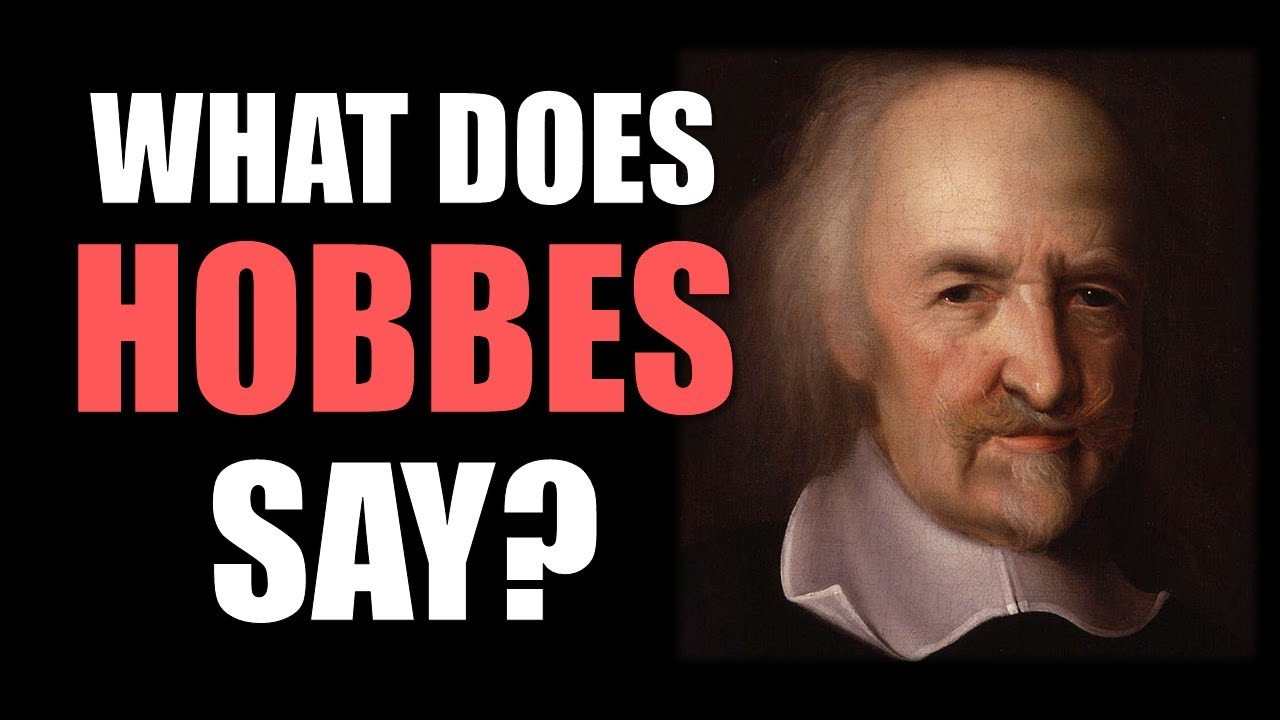
How did Hobbes view human nature?

a)

We are inquisitive and industrious.

b)

We are naturally selfish and quick to fight.

c)

We are naturally ignorant

d)

We are naturally kind and helpful to others

68.

John Locke, Jean Rousseau, and Voltaire all lived during what was called the:

a)

Dark Ages

b)

Middle Ages

c)

Enlightenment

d)

Depression

69.
An agreement between people and the government to give up some rights for safety and protection
a)
Philosophers
b)
Democracy
c)
Social Contract
d)
Divine Right of Kings
70.

The rights of life, liberty, and property are called:

a)

Unalienable Rights

b)

Essential Rights

c)

Natural Rights

d)

Original Rights

71.

What did Jean-Jacques Rousseau believe about government?

a)

some government control is necessary, but it should be kept to a minimum

b)

the government should control all aspects of our lives

c)

the government should be led by an absolute monarch

72.

Which Enlightenment philosopher believed that governments should be based on majority rule?

a)

Rousseau

b)

Voltaire

c)

Locke

d)

Hobbes

73.

Which Enlightenment philosopher argued that power comes from the "Consent of the Governed?"

a)

Hobbes

b)

Locke

c)

Voltaire

d)

Rousseau

74.

During enlightenment, democracy powers rest with which group of people

a)

women

b)

men

c)

citizens

d)

kings

75.

The belief that government should be divided so that no one should have complete authority is called....

a)

job specialization

b)

separation of powers

c)

divine rights

d)

monarchy rights

76.
A time period, mostly in the 1700's, where philosophers and thinkers thought science and reason could improve all humanity.
a)
Enlightenment
b)
Great Awakening
c)
American Revolution
d)
French Revolution
77.
People in a society give up some of their rights in exchange for protection.
a)
Social Contract
b)
Enlightenment
c)
State of Nature
d)
Revolution
78.
French writer who believed in freedom of speech, religious tolerance, and the separation of church and state.
a)
Voltaire
b)
Locke
c)
Rousseau
d)
Montesquieu
79.
Voltaire stated, "I disapprove of what you say, but I will defend to the death your right to say it" demonstrates his belief in which right?
a)
Freedom of Speech
b)
Freedom of Religion
c)
The right to peaceably assemble
d)
Private ownership of guns
80.
John Locke's  belief that you are born with no knowledge.  You gain knowledge through your life experiences. 
a)
Blank Slate - Tabula Rosa
b)
Infantile Enlightenment
c)
State of Nature
d)
Social Contract
81.
This thinker believed in the separation of powers within a government.  Each part should have check and balances over the other parts.
a)
Montesquieu
b)
Wollstancraft
c)
Locke
d)
Voltaire
82.
This thinker believed that humanity was inherently evil.  Laws and governments are needed to protect people from each other. 
a)
Hobbes
b)
Montesquieu
c)
Roussoue
d)
Voltaire
83.
This thinker wrote "The Social Contract." He believed that government was a contract between the ruler & the people.
a)
Rousseau
b)
Locke
c)
Montesquieu
d)
Voltaire
84.
This enlightenment thinker, from England, was a strong advocate for women's rights.
a)
Locke
b)
Voltaire
c)
Hobbes
d)
Wollstonecraft
85.
Ideas created during the Enlightenment resulted a revolution in all the following areas except:
a)
American Colonies
b)
Haiti
c)
France
d)
Russia
86.
The Enlightenment thinkers observed technological advancements due to the adoption of modern methods that relied on logical though, experimentation, and careful observation.  These advancements occurred during the 
a)
Scientific Revolution
b)
Age of Reason
c)
American Revolution
d)
French Revolution
87.
How did Hobbes sum up people's quality of life in a state of nature?
a)
life, liberty, and the pursuit of happiness
b)
poor, nasty, brutish, and short
c)
fulfilling, long-lived, philosophical, and introspective
d)
scared, hungry, lonely, and cold
88.
This was an 18th century philosophical movement of intellectuals, aiming to apply reason to all endeavors.
a)
Reformation
b)
Renaissance
c)
Enlightenment
d)
Scientific Revolution
89.
John Locke's thinking most influenced what American Founding Father?
a)
George Washington
b)
Benjamin Franklin
c)
Alexander Hamilton
d)
Thomas Jefferson
90.
Rousseau, Montesquieu, and Locke would all support:
a)
A dictatorship
b)
A democracy
c)
An absolute monarchy
d)
All of these
91.
Which of the following would NOT be an Enlightenment ideal?  
a)
one ruler should make laws
b)
the government should represent the people
c)
the government should be limited
d)
citizens should have their natural rights
92.
Baron de Montesquieu established two ideas that helped mold today's government in the United States. Those two ideas were....
a)
reason and progress 
b)
Separation of Power and Checks and Balances 
c)
Laissee-faire and Supply & Demand
d)
General Will and Social Contract
93.

The Enlightenment is a period of time where "faith" is being replaced with what?

a)

Water

b)

Reason

c)

Opinions

d)

Science

94.

Enlightenment thinkers/philosophers would meet at this place to talk and discuss ways of fixing the problems of the monarchy?

a)

Courthouse

b)

A salon

c)

A Saloon

d)

School

95.

Rousseau believed in the idea of what for the government?

a)

Majority Rule

b)

Dictatorship

c)

Nobody Votes

96.
Which of the following was an economic reason for the French Revolution?
a)
Shortage of flour/ bread
b)
Privilege of the monarch
c)
Use of the guillotine
d)
The Enlightenment
97.
Which of the following was a political reason for the French Revolution?
a)
The First Estate paying 100% of the taxes
b)
The idea of Natural Rights
c)
The use of the guillotine
d)
Change in price of bread
98.

A common theme among Enlightenment thinkers was

a)

a desire to improve society

b)

faith in traditional religious beliefs

c)

support for democratic forms of government

d)

a belief in the inherent goodness of humanity

99.

What was the Reign of Terror

a)

The event that started the French Revolution

b)

The event that led to 17,000 French citizens to be killed by the Guillotine

c)

A mob that stormed the Bastille in Paris, France

d)

The event that started the American Revolution

100.

The theory that the Earth revolves around the sun which was developed by different astronomers including Copernicus, Galileo, and Kepler.

a)

Geocentric Theory

b)

Heliocentric Theory

c)

The Law of the Pendulum

d)

Flat Earth Theory

101.

Ptolemy's theory that the Earth is the center of the universe and was taught by the Catholic Church is known as the...

a)

Geocentric Theory

b)

Heliocentric Theory

c)

The Law of the Pendulum

d)

Flat Earth Theory

102.

How did Louis XVI create a financial crisis in France?

a)

Expensive wars against European rivals

b)

Building a huge palace at Versailles

c)

Harsh laws to expel non-Catholics

d)

All of the above

103.

What did the writings of the Enlightenment philosophers lead to?

a)

Independence movements

b)

English Civil War

c)

Scientific Revolution

d)

Russian Revolution

104.

What was the main point of the Scientific Revolution?

a)

Classical learning and travel

b)

Tradition and reliance on the Church

c)

Observation and experimentation

d)

Divine wisdom and biblical texts

105.

The Encyclopedie was published to

a)

propose a new plan of government for France

b)

inspire peasants to rise up against the ruling class

c)

spread Enlightenment ideas as widely as possible

d)

improve the study of literature by the middle class