
Font size
 Worksheets
Circulatory system
Total questions: 30
Worksheet time: 14mins
The upper part of the heart is made up of two chambers called what?
Ventricles
Atria
Which of the following is NOT a function of the circulatory system?
circulate blood
regulate calcium production
carry nutrients and hormones through blood stream
deliver oxygen to tissues
What are veins?
they carry blood away from the heart
they carry blood to the heart
they exchange gasses
they release hormones into the bloodstream
The heart is about the size and shape of your . . .
head
fist
hand
foot
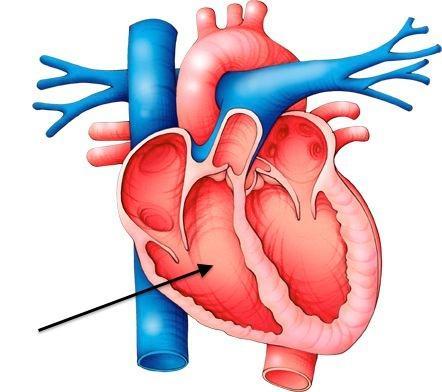
This chamber of the heart RECEIVES oxygen rich blood back from the lungs
Right Atrium
Left Atrium
Right Ventricle
Left Ventricle
Type of circulation that refers to the blood flowing through the entire body?
Systemic circulation
Renal circulation
Portal circulation
Pulmonary circulation
_______ function in the life-saving process of clotting blood.
Red blood cells
White blood cells
Plasma
Platelets
True or false:
Blood traveling in veins is blue.
True
False
True or false:
Arteries always carry oxygenated blood.
True
False
The blood in the vena cava is...
oxygenated, returning to the heart
deoxygenated, returning to the heart
oxygenated, leaving the heart
deoxygenated, leaving the heart
Which type of vessel generally has the thickest wall?
Vein
Arteriole
Artery
Capillary
Which type of vessel has the largest lumen?
Vein
Arteriole
Artery
Capillary
Veins have valves. What is the function of this structure?
Regulate blood flow
Maintain high pressure
Prevent back-flow of blood
Stretch and Recoil
What causes the blood to be the distinct red colour?
Haemoglobin
Glucose
Hormones
Oxygen
What is the function (job) of the plasma?
To release antibodies to fight infections.
To transport oxygen around the body.
To carry dissolved nutrients and sugars.
To transport oxygen around the body.

What is plasma?
only white blood cells
only red blood cells
fluid part of blood
hemoglobin
What are present in veins but absent in arteries?
smooth elastic tissues
muscular tissues
valves
What is a pulse point?
Location where the heart is beating
Location where the blood is flowing in the arteries
Location where arteries are very close to skin surface
Location where veins are very close to skin surface
What is the unit of measuring pulse rate?
degree Celsius (oC)
frequency (Hz)
beats per minute (bpm)
millimetres of mercury (mm Hg)
You will have lower pulse rate when you are jogging but higher pulse rate when you are running.
True
False
Both jogging and running will give same pulse rate
How does physical exercise temporarily affect the pulse?
Increases the pulse rate
Decreases the pulse rate
Has no effect
Results in a dysrhythmia

What is heart rate?
Oxygen going to the heart
The number of times your heart beats in a minute
Blood pumping though the body
Carbon dioxide leaving the body

Can we measure any pulse at the location as shown in the diagram?
Yes
No

