
 Worksheets
Unit 8 Biology Vocab: Test Review
Total questions: 25
Worksheet time: 13mins
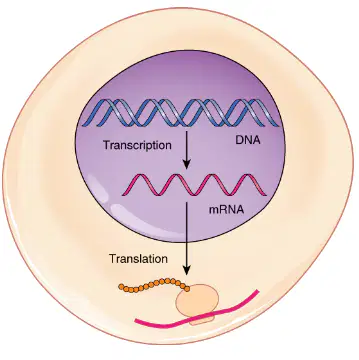
mRNA
Carries copies of these instructions from the nucleus to ribosomes in the cytoplasm.
responsible for storing genetic information
only found in prokaryotic cells
a type of lipid molecule
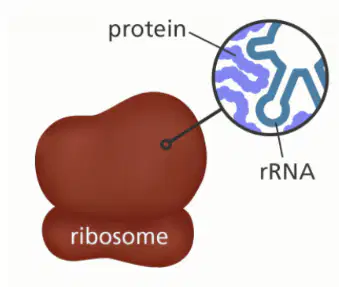
rRNA
the sugar found in RNA
Part of ribosomes.
Makes proteins
Clamps onto mRNA → uses its information to assemble amino acids in the correct order.
the sugar found in DNA
(“deoxy” referring to the fact that deoxyribose has one less oxygen atom than ribose sugar)
the remaining pieces that are spliced back together; form the final mRNA molecule
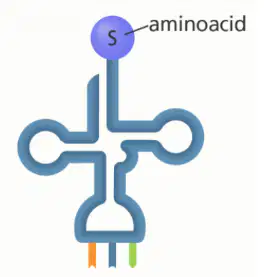
tRNA
Transfers each amino acid to the ribosomes as specified by coded messages in mRNA.
Long chain of amino acids
A point mutation in which one base is changed/substituted for another base
chemical or physical agents in the environment that interact with DNA and can cause mutations
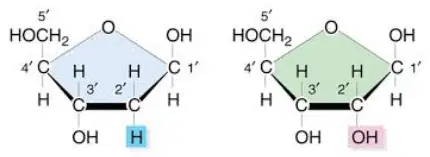
ribose
the sugar found in DNA
(“deoxy” referring to the fact that deoxyribose has one less oxygen atom than ribose sugar)
portions of the mRNA that are cut out and discarded
A portion of the DNA strand is copied into mRNA
the sugar found in RNA
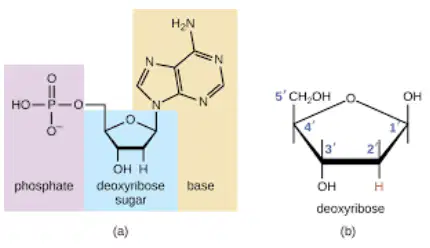
deoxyribose
a nitrogenous base found in RNA molecules (found in place of Thymine, which is found in DNA molecules). Bonds with Adenine
the sugar found in DNA
(“deoxy” referring to the fact that deoxyribose has one less oxygen atom than ribose sugar)
the remaining pieces that are spliced back together; form the final mRNA molecule
a change in the DNA sequence in a cell.
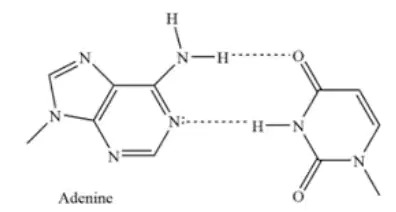
uracil
When a point mutation still codes for the same amino acid, and thus, the final protein is not changed
chemical or physical agents in the environment that interact with DNA and can cause mutations
A point mutation in which one base is removed/deleted from the DNA sequence
a nitrogenous base found in RNA molecules (found in place of Thymine, which is found in DNA molecules). Bonds with Adenine
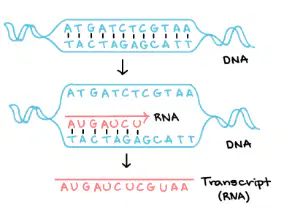
transcription
A series of 3 nitrogenous bases, coding for 1 amino acid
(amino acid = monomer of proteins)
A point mutation in which one base is removed/deleted from the DNA sequence
A portion of the DNA strand is copied into mRNA
A series of 3 nitrogenous bases, coding for 1 amino acid
(amino acid = monomer of proteins)
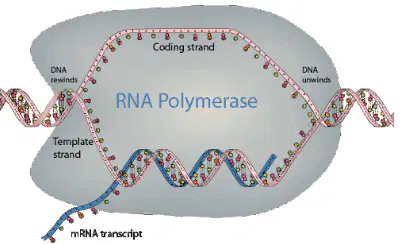
RNA polymerase
The enzyme that transcribes DNA to mRNA
portions of the mRNA that are cut out and discarded
A point mutation in which one base is changed/substituted for another base
A series of 3 nitrogenous bases, coding for 1 amino acid
(amino acid = monomer of proteins)

Introns
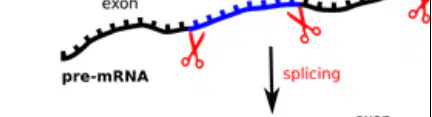
the remaining pieces that are spliced back together; form the final mRNA molecule
portions of the mRNA that are cut out and discarded
A series of 3 nitrogenous bases, coding for 1 amino acid
(amino acid = monomer of proteins)
a change in the DNA sequence in a cell.
Exons
reading the mRNA message to form proteins
Happens in the cytoplasm, in the ribosomes
Result of an insertion or deletion, whereby the reading frame of the genetic material is shifted
A series of 3 nitrogenous bases, coding for 1 amino acid
(amino acid = monomer of proteins)
the remaining pieces that are spliced back together; form the final mRNA molecule
translation
Long chain of amino acids
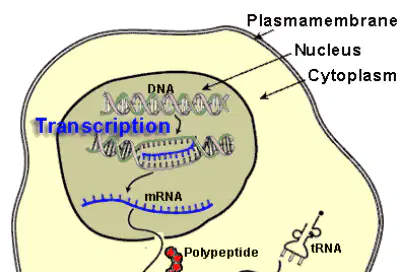
reading the mRNA message to form proteins
Happens in the cytoplasm, in the ribosomes
A series of 3 nitrogenous bases, coding for 1 amino acid
(amino acid = monomer of proteins)
a change in the DNA sequence in a cell.
polypeptide
series of 3 bases complementary to a codon on the mRNA strand
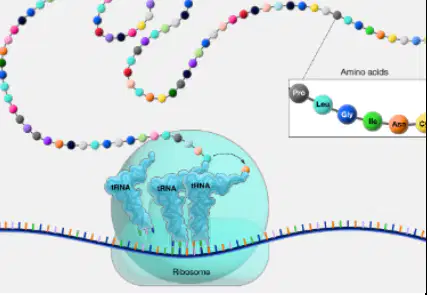
Long chain of amino acids
A point mutation in which one base is removed/deleted from the DNA sequence
Result of an insertion or deletion, whereby the reading frame of the genetic material is shifted
codon
a change in the DNA sequence in a cell.
reading the mRNA message to form proteins
Happens in the cytoplasm, in the ribosomes
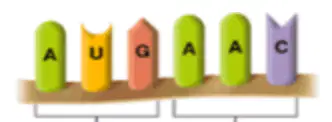
A series of 3 nitrogenous bases, coding for 1 amino acid
(amino acid = monomer of proteins)
When a point mutation results in a premature STOP codon, halting the protein production
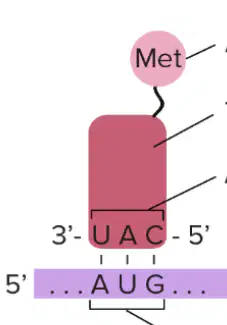
anticodon
series of 3 bases complementary to a codon on the mRNA strand
A series of 3 nitrogenous bases, coding for 1 amino acid
(amino acid = monomer of proteins)
chemical or physical agents in the environment that interact with DNA and can cause mutations
reading the mRNA message to form proteins
Happens in the cytoplasm, in the ribosomes
Mutation
Result of an insertion or deletion, whereby the reading frame of the genetic material is shifted
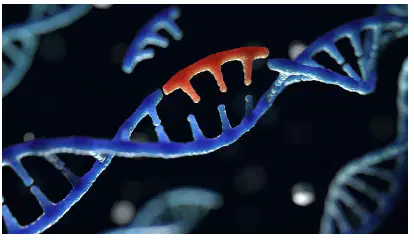
a change in the DNA sequence in a cell.
A point mutation in which one base is added/inserted into the DNA sequence
A point mutation in which one base is changed/substituted for another base
Point mutation
a change in the DNA sequence in a cell.
mutations that change a single base pair (occur at a single point)
chemical or physical agents in the environment that interact with DNA and can cause mutations
When a point mutation codes for a different amino acid.
→ Changes the amino acid sequence
→ impacts the final protein
What are the types of point mutations
1. Substitution
2. Insertion
3. Deletion
1. Inpution
2. Replacation
3. Addition
1. Subtraction
2. Dilation
3. Correction
1. Fixation
2. Ingration
3. Deletion
Substitution
A point mutation in which one base is added/inserted into the DNA sequence
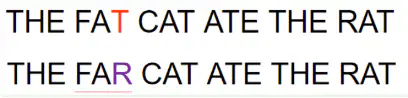
A point mutation in which one base is changed/substituted for another base
chemical or physical agents in the environment that interact with DNA and can cause mutations
When a point mutation still codes for the same amino acid, and thus, the final protein is not changed

Nonsense mutation
When a point mutation results in a premature STOP codon, halting the protein production
When a point mutation codes for a different amino acid.
→ Changes the amino acid sequence
→ impacts the final protein
When a point mutation still codes for the same amino acid, and thus, the final protein is not changed
A point mutation in which one base is removed/deleted from the DNA sequence

Missense mutation
When a point mutation still codes for the same amino acid, and thus, the final protein is not changed
chemical or physical agents in the environment that interact with DNA and can cause mutations
When a point mutation codes for a different amino acid.
→ Changes the amino acid sequence
→ impacts the final protein
A point mutation in which one base is changed/substituted for another base

Silent mutation
A point mutation in which one base is added/inserted into the DNA sequence
When a point mutation still codes for the same amino acid, and thus, the final protein is not changed
Result of an insertion or deletion, whereby the reading frame of the genetic material is shifted
Mutagens
chemical or physical agents in the environment that interact with DNA and can cause mutations
Insertion
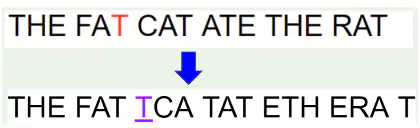
A point mutation in which one base is added/inserted into the DNA sequence
chemical or physical agents in the environment that interact with DNA and can cause mutations
A point mutation in which one base is removed/deleted from the DNA sequence
When a point mutation results in a premature STOP codon, halting the protein production
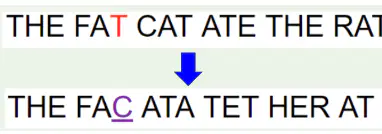
Deletion
When a point mutation codes for a different amino acid.
→ Changes the amino acid sequence
→ impacts the final protein
A point mutation in which one base is added/inserted into the DNA sequence
A point mutation in which one base is removed/deleted from the DNA sequence
chemical or physical agents in the environment that interact with DNA and can cause mutations
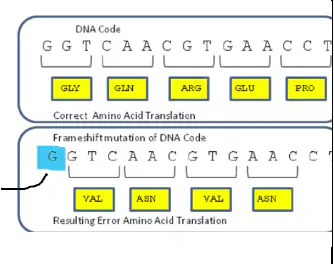
Frameshift mutation
The enzyme that transcribes DNA to mRNA
When a point mutation still codes for the same amino acid, and thus, the final protein is not changed
the remaining pieces that are spliced back together; form the final mRNA molecule
Result of an insertion or deletion, whereby the reading frame of the genetic material is shifted

Mutagens
Result of an insertion or deletion, whereby the reading frame of the genetic material is shifted
chemical or physical agents in the environment that interact with DNA and can cause mutations
A point mutation in which one base is changed/substituted for another base
Long chain of amino acids

