
 Worksheets
6th Grade SS Unit 1 Review
Total questions: 61
Worksheet time: 31mins
Mesopotamia means _________
"Land Between Two Rivers"
"Land Between Two Oceans"
"Land Between Two Deserts"
"Land Between Two Mountain Ranges"
What two rivers are included in Mesopotamia?
Yellow and Yangtze Rivers
Mississippi and Missouri Rivers
Nile and Congo Rivers
Tigris and Euphrates Rivers
The southern part of Mesopotamia is called ____
Assyria
Babylon
Sumer
Persia
Which of the following did Sumerians NOT create to help control the flooding of the rivers?
Dams
Levees
Basins
Canals
Reservoirs
Like the Greeks, each Sumerian city was referred to a __________
Polis
Village
Empire
City-State
What is the name of a Sumerian temple?
Ziggurat
Pyramids
Mosque
Synagogue
The Sumerian form of writing was called ______
Hieroglyphics
Cuneiform
Petroglyphs
Sanskrit
An epic poem about a Sumerian king named ____ tells about his search for immortality.
Abraham
Gilgamesh
Hammurabi
Sennacherib
Sumerians invented an irrigation system and a ____ to help maintain a stable food supply.
Wheel
Plow
Ziggurat
Arch
The Sumerians invented what object that made travel and work easier?
The Crossbow
Iron Weapons
The Wheel
The Arch
To make buildings look more beautiful and to add strength to them, Sumerians invented the ____.
The Windows
The Arch
The Doorway
The Sewer System
What is the period of time before the invention of writing called?
Prehistory
The Beginning
Iron Age
Stone Age
What period of time started around 2 million years ago and lasted until 3000 BCE?
Stone Age
Iron Age
Ice Age
Bronze Age
What term refers to the Old Stone Age?
Paleolithic Age
Neolithic Age
Mesolithic Age
Jurassic Age
What term refers to the New Stone Age?
Paleolithic Age
Neolithic Age
Mesolithic Age
Jurassic Age
Men in prehistoric times ____
Gathered Fruits and Berries
Farmed
Domesticated Animals
Hunted
Women in prehistoric times ____
Hunted
Took Care of the House
Gathered Berries and Fruits
Farmed
The event when early humans started farming and stopped hunting/gathering is called what?
Neolithic Revolution
Agricultural Renaissance
Agricultural Rebellion
Neolithic Golden Age
Early humans learned how to farm and how to tame animals. What terms means "to tame animals?"
Train
Domesticate
Control
Rule
What was the capital city of the Babylonian Empire?
Tyre
Byblos
Agade
Babylon
What king of Babylon conquered Akkad and Sumer?
Gilgamesh
Hammurabi
Nebuchadnezzar II
Ashurbanipal
What reform is Hammurabi best known for?
Reorganizing the tax system
Building bridges
A code of law
Beginning a government housing program
What was the chief Babylonian god?
Anu
Marduk
Ea
Adad
Which of the following did the Babylonians create?
Postal Service
Compass
Bow and Arrow
Aquaducts
Which of the following phrases correctly explains the basis of Hammurabi's Code?
Eye for an Eye
Spare the Rod, Spoil the Child
Walk Strong, Carry a Big Stick
You Reap What you Sow
Who was the leader of the Akkadians when they conquered Mesopotamia?
Sargon
Naram-Sin
Sargon II
Hammurabi
The Akkadians are historically famous for creating the world's first _____.
Army
Religion
Empire
Navy
The Chaldeans called themselves _________
Babylonians
Assyrians
Romans
Persians
Historians sometimes call the Chaldeans _____________
Neo-Assyrians
Neo-Babylonians
Neo-Sumerians
Neo-Persians
The capital of the Chaldeans was what city?
Nineveh
Agade
Babylon
Persepolis
Who is the king of the Chaldeans that ruled during most of their existence?
Hammurabi
Nebuchadnezzar II
Awil-Marduk
Nabopolassar
What Ancient Wonder of the World was a converted ziggurat created by Nebuchadnezzar II?
Lighthouse of Alexandria
Colossus of Rhodes
Hanging Gardens of Babylon
Mausoleum at Halicarnassus
What was the chief god of the Chaldeans?
Zeus
Wodan
Marduk
Brahman
What was ancient Babylon's main entrance gate called?
Ishtar Gate
Anu Gate
Humbaba Gate
Phoenix Gate
Chaldean scientists made great advances in what field of study?
Biology
Astronomy
Geology
Chemistry
Chaldeans were the first group of people create and use what instrument of keeping time?
Calendar
Clock
Sundial
Hourglass
The best way to Assyrian culture is to say that the Assyrians were _______.
Warriors
Artists
Traders
Farmers
The success of the Assyrians in battle was partly due to their weapons made out of what metal?
Iron
Steel
Tin
Bronze
To better organize their empire, the Assyrians divided into ____________.
States
Provinces
Satrapies
Colonies
The Assyrians created a network of ______ to connect their provinces.
Trading Routes
Similar Laws
Roads
Postal Services
The Assyrians built some of the earliest _____ ,or pipes that bring water from distant places.
Canals
Channels
Aqueducts
Levees
Which of the following tactics did the Assyrians NOT use in siege warfare?
Using Battering Rams
Using Siege Towers
Diverting Water
Using Catapults
What major civilization did the Assyrians once conquer?
Hittites
Egyptians
Persians
Chinese
How were the Phoenicians able to gain wealth and influence?
By farming lots of land
By trading on the sea
By raising lots of different animals
By conquering other lands
What color of dye did the Phoenicians have that other rulers wanted?
Blue
Green
Purple
Indigo
Phoenicians set up ______ to help develop their trading network.
An Alphabet
Colonies
Postal Routes
Harbors
What was the Phoenician colony set up in North Africa and later enemy of Rome?
Gaul
Carthage
Tyre
Alexandria
What was the most important gift of the Phoenicians that was passed to other cultures?
Ships
An Alphabet
Purple Dye
Carthage
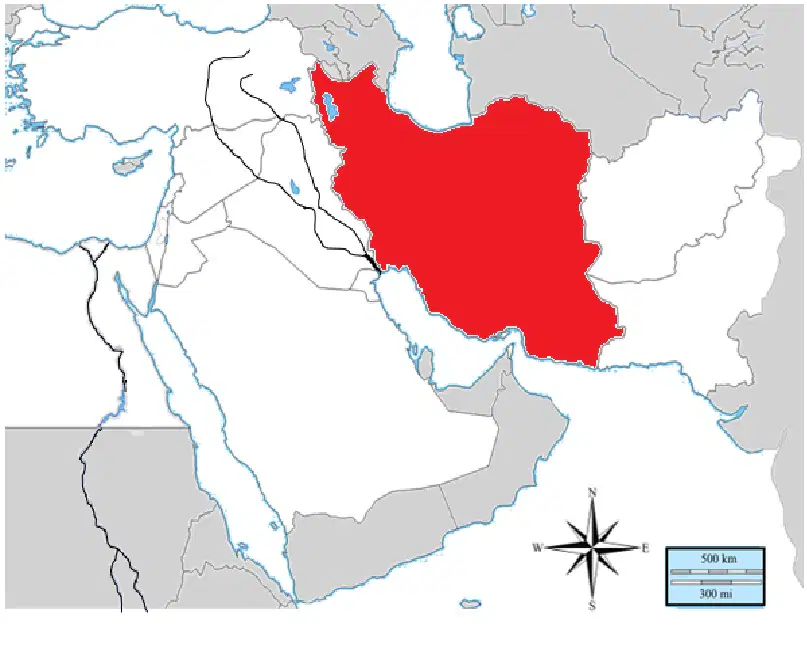
Which country is labeled in RED?
Iran
Iraq
Afghanistan
Saudi Arabia
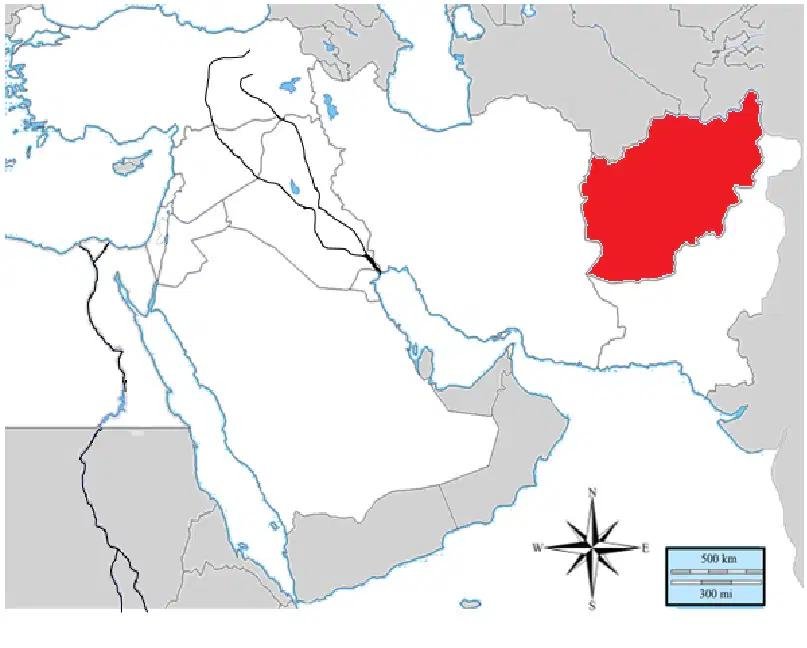
Which country is labeled in RED?
Iran
Iraq
Afghanistan
Saudi Arabia
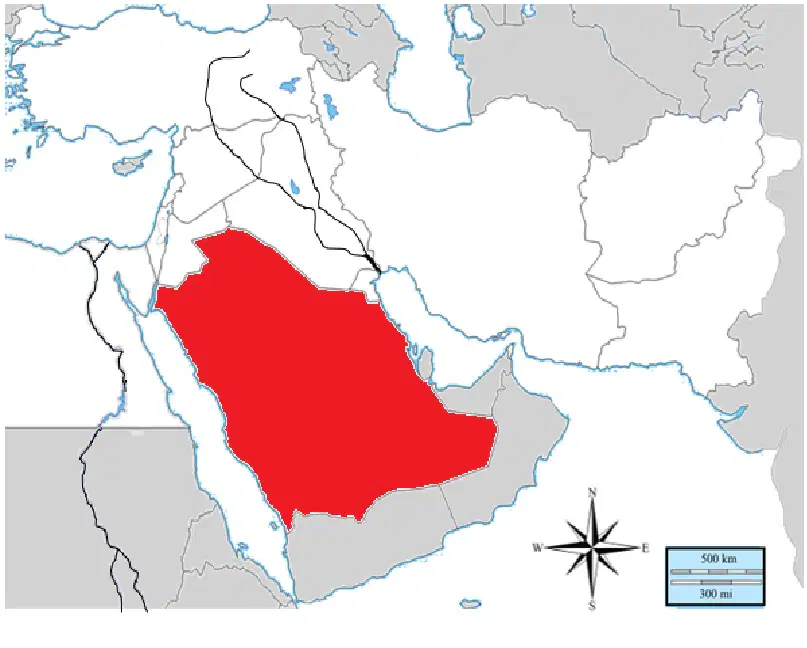
Which country is labeled in RED?
Iran
Iraq
Afghanistan
Saudi Arabia
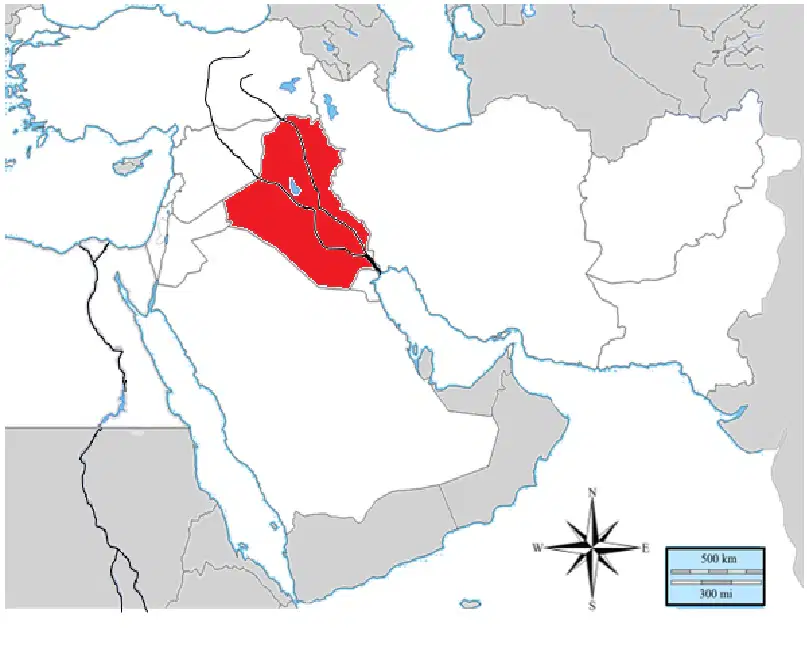
Which country is labeled in RED?
Iran
Iraq
Afghanistan
Saudi Arabia
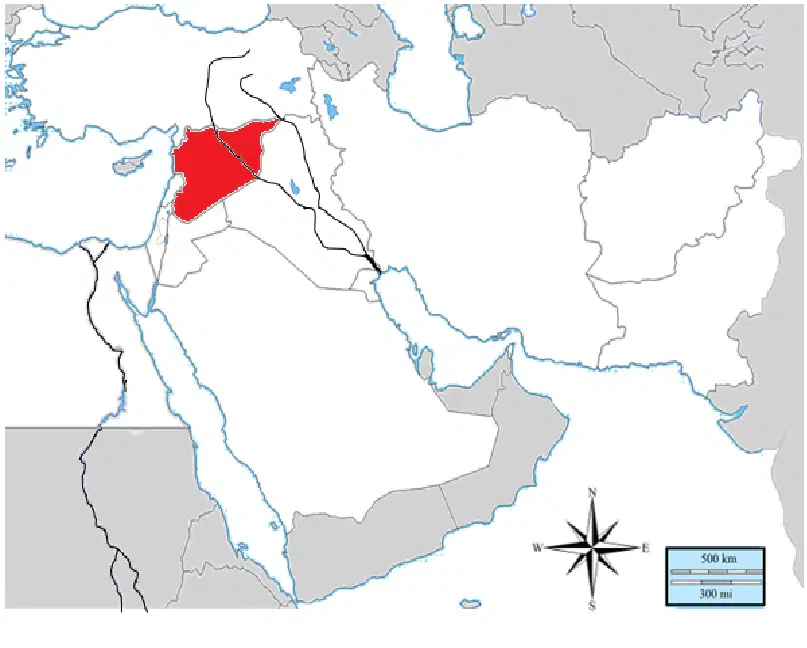
Which country is labeled in RED?
Syria
Turkey
Egypt
Israel
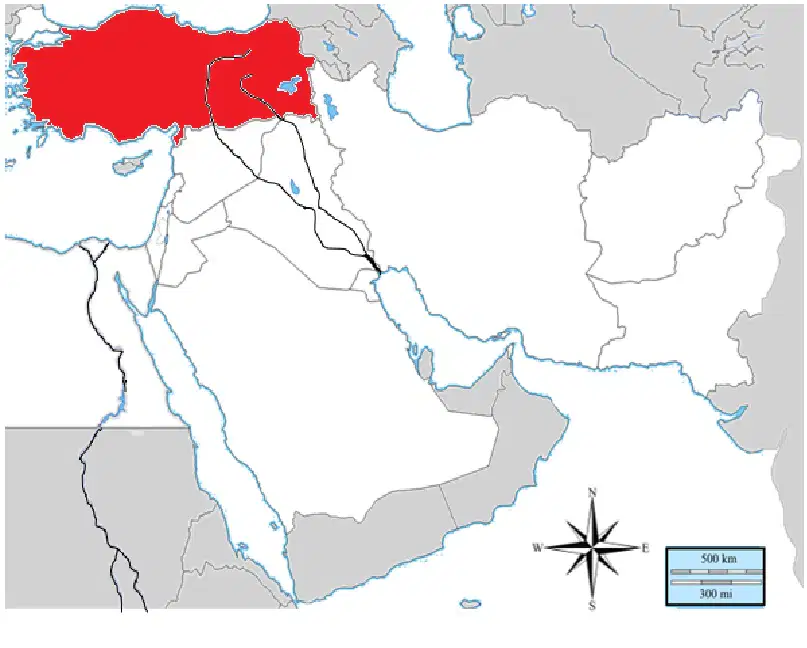
Which country is labeled in RED?
Syria
Turkey
Egypt
Israel
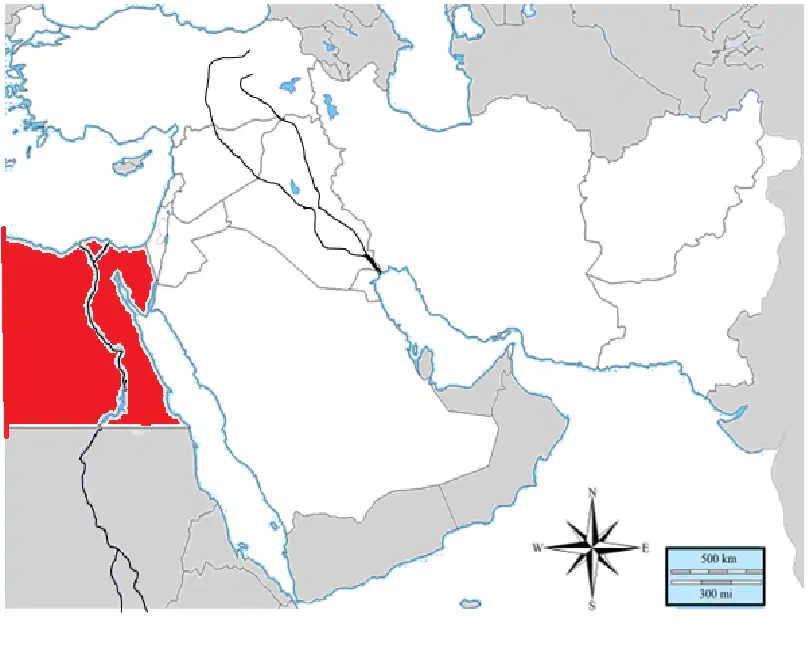
Which country is labeled in RED?
Syria
Turkey
Egypt
Israel
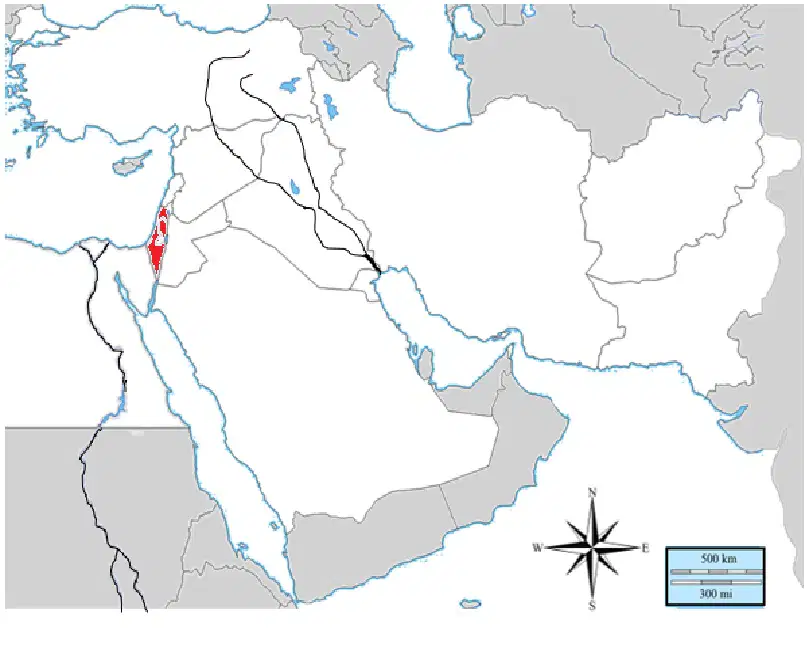
Which country is labeled in RED?
Syria
Turkey
Egypt
Israel
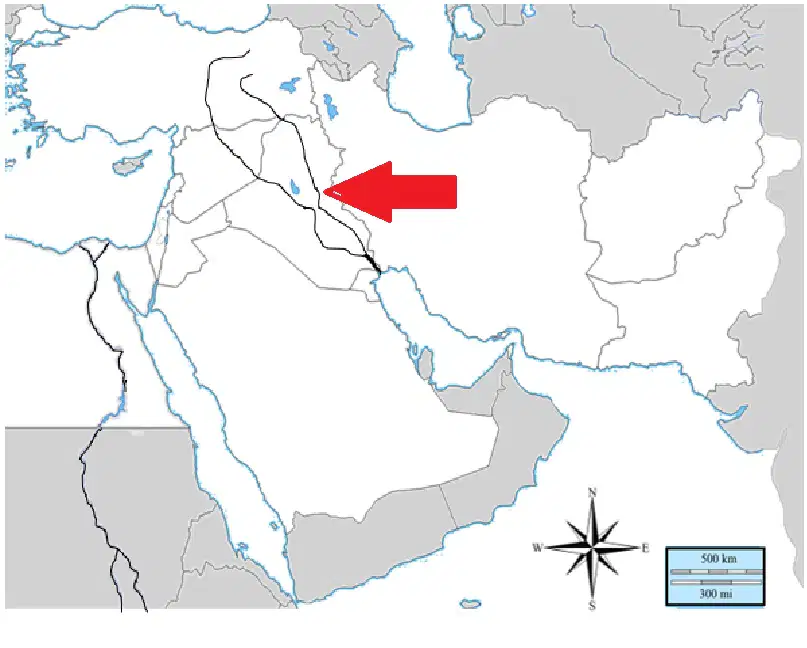
What river is the RED ARROW pointing at?
Tigris River
Nile River
Euphrates River
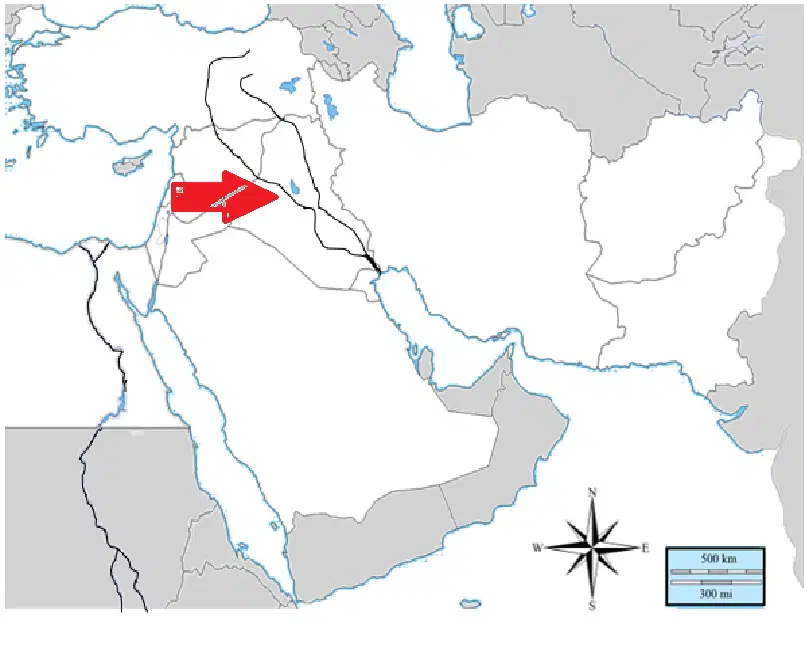
What river is the RED ARROW pointing at?
Tigris River
Nile River
Euphrates River
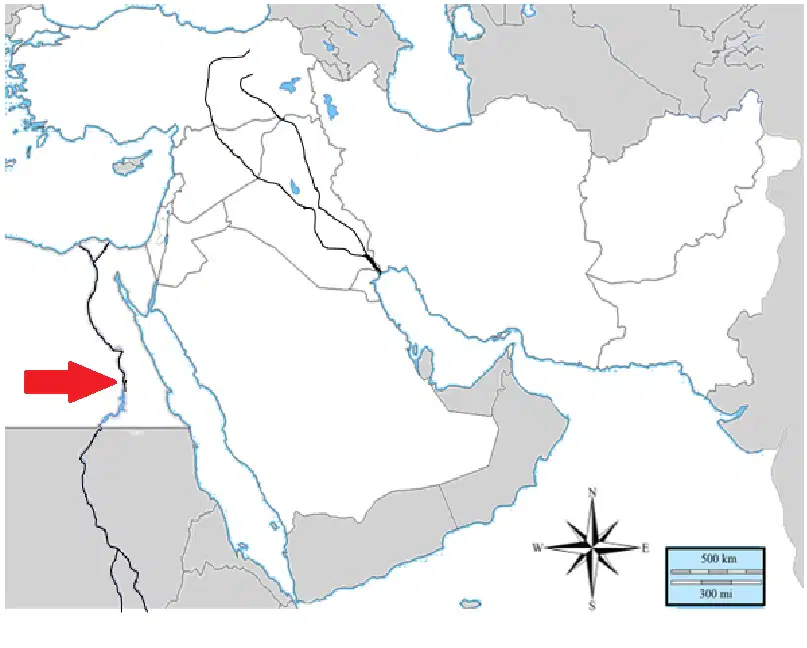
What river is the RED ARROW pointing at?
Tigris River
Nile River
Euphrates River
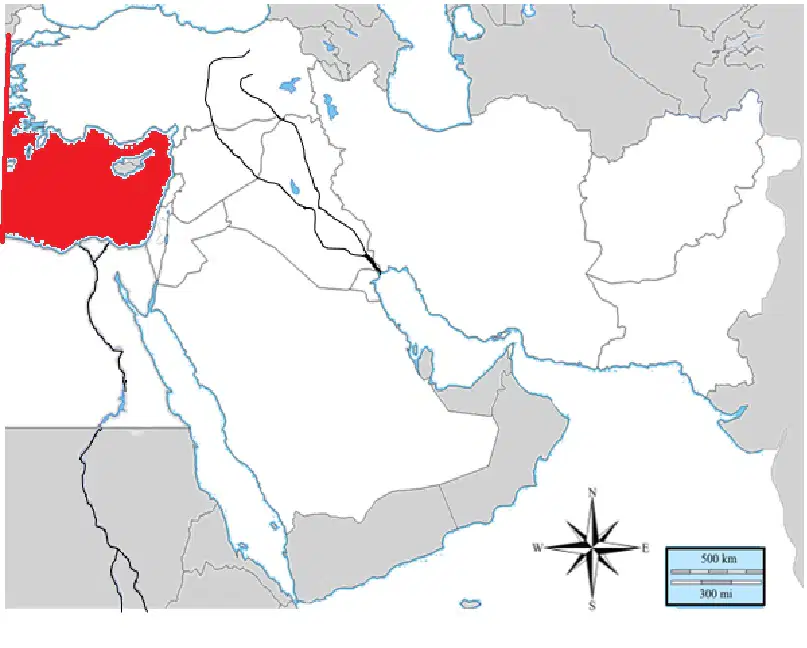
What body of water is highlighted in RED on the map?
Mediterranean Sea
Red Sea
Black Sea
Caspian Sea
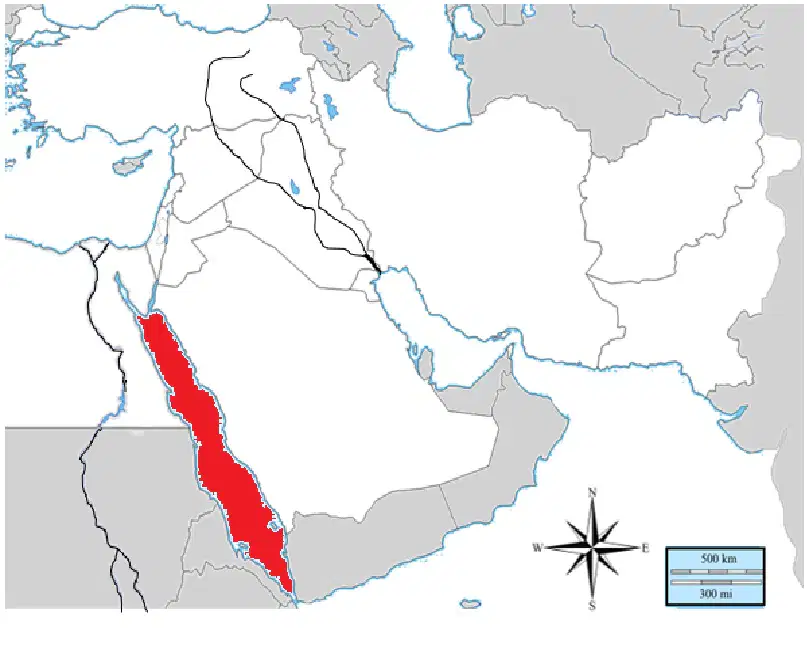
What body of water is highlighted in RED on the map?
Mediterranean Sea
Red Sea
Black Sea
Caspian Sea

