
 Worksheets
Weather and Water
Total questions: 47
Worksheet time: 1hrs 22mins
Name
Class
Date
1.
What are the yearly conditions of temperature, precipitation and humidity?
a)
weather
b)
climate
2.
What instrument measure air pressure?
a)
barometer
b)
thermometer
3.
When air pressure is high, what type of weather do we experience?
a)
sunny and clear
b)
rainy and cloudy
4.
When air pressure is low, what type of weather do we experience?
a)
sunny and clear
b)
rainy and cloudy
5.
What are the daily conditions of temperature, humidity and precipitation?
a)
weather
b)
climate
6.
A fast moving cold air mass overtakes a warm air mass is called a _________________
a)
warm front
b)
cold front
c)
stationary front
d)
occluded front
7.
A warm air mass overtakes a slow-moving cold air mass is called a _____________________.
a)
warm front
b)
cold front
c)
stationary front
d)
occluded front
8.
Cold and warm masses meet, but neither can move the other is called a ______________________
a)
warm front
b)
cold front
c)
stationary front
d)
occluded front
9.
A warm air mass is caught between two cooler air masses is called a ________________________.
a)
warm front
b)
cold front
c)
stationary front
d)
occluded front
10.
What is a front?
a)
The boundary where two like air masses meet.
b)
The boundary where two unlike air masses meet
11.
Which front would you possibly see heavy rain or snow fall?
a)
warm front
b)
cold front
c)
stationary front
d)
occluded front
12.
Which front has the symbol of blue triangles?
a)
warm front
b)
cold front
c)
stationary front
d)
occluded front
13.
Which front has the symbol of a red line with half circles?
a)
warm front
b)
cold front
c)
stationary front
d)
occluded front
14.
The average, year-after-year conditions of temperature, precipitation, winds, and clouds in an area is known as ______________________.
a)
latitude
b)
weather
c)
climate
d)
altitude
15.

What day did it rain the most?
a)
Day 1
b)
Day 2
c)
Day 3
d)
Day 4
16.
What day did it rain the least?
a)
Day 1
b)
Day 2
c)
Day 3
d)
Day 4
17.

What will south Georgia's temperature be like tomorrow?
a)
upper 80's
b)
lower 70's
c)
mid 50's
d)
upper 60's
18.
When the pressure is low, then there will be ________.
a)
lots of sun
b)
high temperatures
c)
clouds and rain
d)
hot, dry weather
19.
________ covers large areas and long periods of time.
a)
Weather
b)
Climate
20.

What does this tool do?
a)
Tells how hot it is
b)
Measures wind direction
c)
Measures wind speed
d)
Measures rain
21.

What does this tool do?
a)
Measures wind speed
b)
Measures rain
c)
Measures temperature
d)
Tells wind direction
22.

This is an example of a ________.
a)
wind vane
b)
barometer
c)
rain gague
d)
anemome
23.
Fog is simply a ______ that has formed close to the ground.
a)
rain storm
b)
dew
c)
frost
d)
cloud
24.
What TWO weather conditions do you normally find along a front?
a)
sun
b)
rain
c)
storms
d)
rainbows
25.
This weather tool measures wind speed
a)
thermometer
b)
barometer
c)
anemometer
d)
psychrometer
26.
Which weather tool measures air pressure?
a)
thermometer
b)
barometer
c)
anemometer
d)
psychrometer
27.
What kind of weather is usually associated with a low pressure system?
a)
Sunny weather
b)
Precipitation (rain, snow, etc.)
28.
What kind of weather is usually associated with a high pressure system?
a)
Sunny weather
b)
Precipitation (rain, snow, etc.)
29.
What measures temperature?
a)
barometer
b)
anemometer
c)
thermometer
d)
psychrometer
30.

What type of cloud looks like cotton and is in the lower altitudes?
a)
Cumulus
b)
Stratus
c)
Cirrus
31.
Snow, sleet, hail, and rain are all examples of ________________.
a)
evaporation
b)
condensation
c)
accumulation
d)
precipitation
32.

What is it called when WATER is FORMED from an LIQUID to a WATER VAPOR Oor an [GAS]?
a)
EVAPORATION
b)
PRECIPITATION
c)
TRANSPIRATION
33.

What is it called when plants give off water vapor as a waste product?
a)
condensation
b)
evaporation
c)
sublimation
d)
transpiration
34.
When water _________, dew forms.
a)
Melts
b)
Evaporates
c)
Condenses
d)
Precipitates
35.

What is A?
a)
Evaporation
b)
Condensation
c)
Precipitation
d)
Runoff
36.

What is B?
a)
Evaporation
b)
Condensation
c)
Precipitation
d)
Runoff
37.
What is precipitation?
a)
The part of the water cycle when the sun heats up water, turning it from a liquid into water vapor or steam. It rises from the ground into the air.
b)
The part of the water cycle when the water vapor in the air gets cold. The water turns back into a liquid and forms clouds.
c)
The part of the water cycle when clouds get heavy and can no longer hold the liquid water. This causes the water to fall from the sky to the earth as rain, snow, sleet, or hail.
38.
What is condensation?
a)
The part of the water cycle when the sun heats up water, turning it from a liquid into water vapor or steam. It rises from the ground into the air.
b)
The part of the water cycle when the water vapor in the air gets cold. The water turns back into a liquid and forms clouds.
c)
The part of the water cycle when clouds get heavy and can no longer hold the liquid water. This causes the water to fall from the sky to the earth as rain, snow, sleet, or hail.
39.
What is evaporation?
a)
The part of the water cycle when the sun heats up water, turning it from a liquid into water vapor or steam. It rises from the ground into the air.
b)
The part of the water cycle when the water vapor in the air gets cold. The water turns back into a liquid and forms clouds.
c)
The part of the water cycle when clouds get heavy and can no longer hold the liquid water. This causes the water to fall from the sky to the earth as rain, snow, sleet, or hail.
40.

What is water that flows in rivers and streams into the oceans and lakes?
a)
evaporating
b)
condensing
c)
precipitating
d)
runoff
41.
On which kind of day would you expect the most evaporation from the surface of a pond?
a)
cold, rainy
b)
cold, sunny
c)
warm, rainy
d)
warm, sunny
42.
Which of the following causes all of the water on the planet to change its state (solid, liquid, gas) and move through the water cycle?
a)
amount of plant matter
b)
location of ice caps
c)
size of ocean
d)
temperature
43.
What is water vapor?
a)
Water on the land (geosphere)
b)
Water in the air (atmosphere)
c)
Water in plants
d)
Water in the water (hydrosphere)
44.
What cloud is found at ground level?
a)
Cirrus
b)
Stratus
c)
Culumlus
d)
Fog
45.

What is D?
a)
Evaporation
b)
Condensation
c)
Precipitation
d)
Runoff
46.
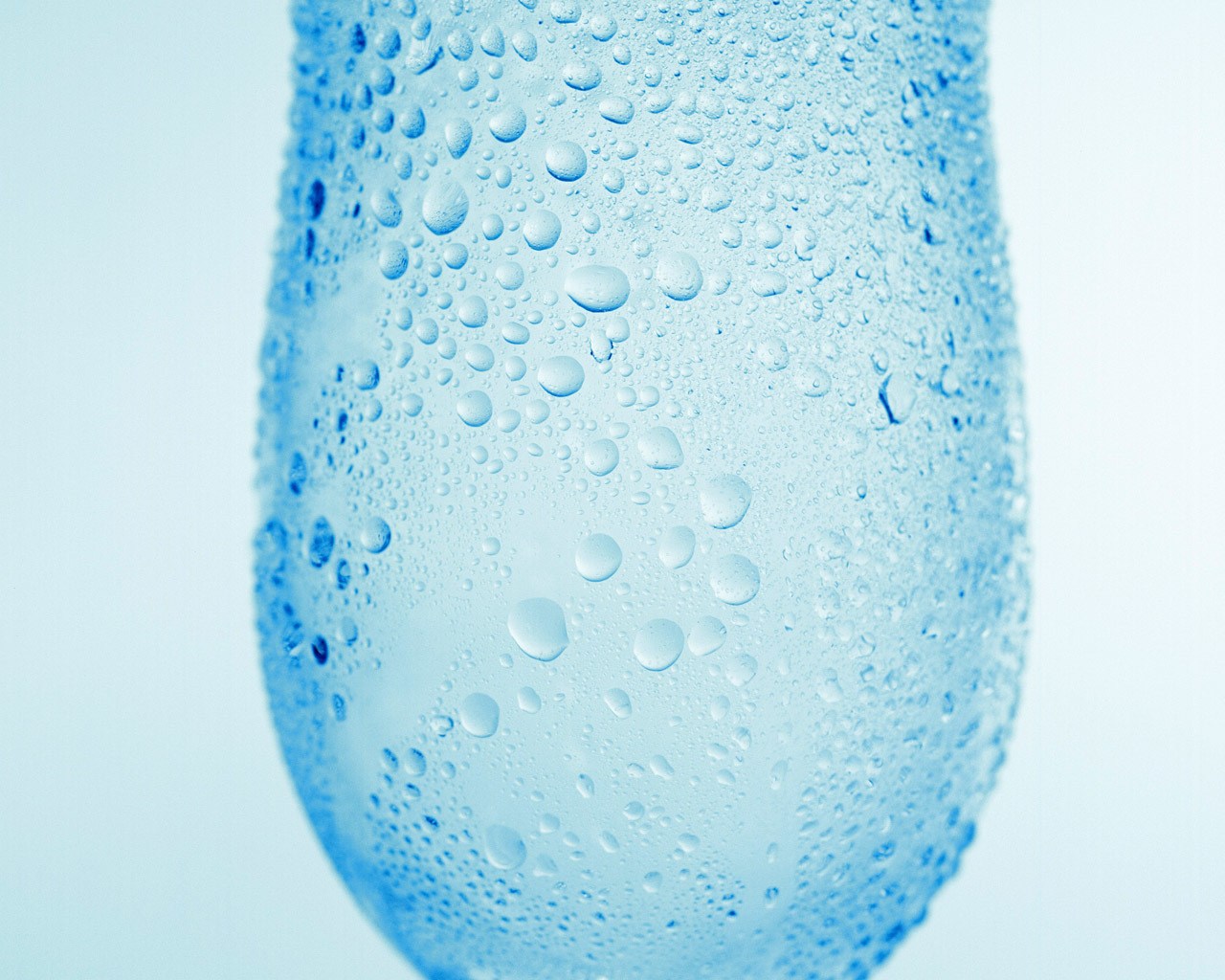
What is water vapor doing when it changes to water?
a)
evaporating
b)
condensing
c)
precipitating
d)
runoff
47.
Which of these is not an example of precipitation?
a)
rain
b)
clouds
c)
sleet
d)
snow
100 %

