wayground logo

Free Printable Worksheets

Font size

S
M
L
XL
Worksheets

PSM Neurons

Total questions: 28

Worksheet time: 18mins
Name
Class
Date
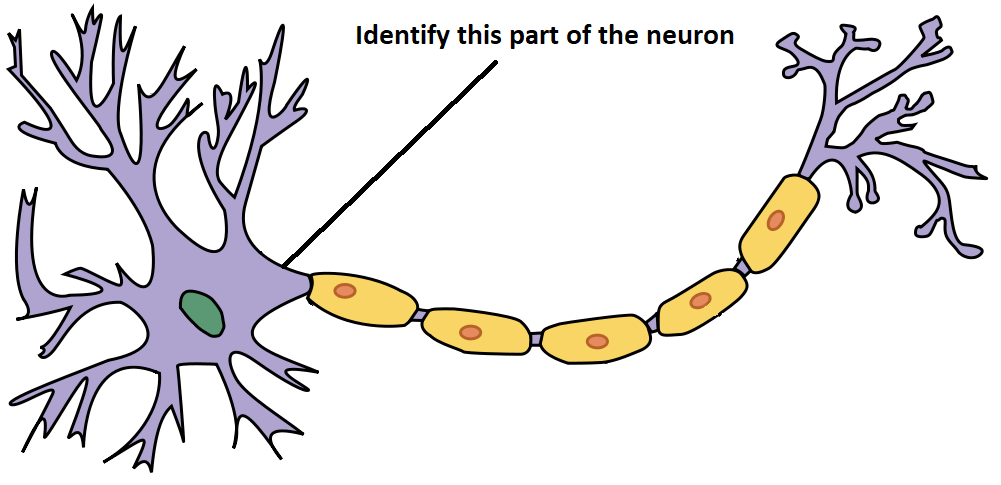
1.
The part of the neuron that receives messages from other neurons
a)
axon
b)
dendrite
c)
cell body
d)
Schwann cell
2.
The part of the neuron that sends messages to other neurons
a)
axon
b)
dendrite
c)
cell body
d)
Schwann cell
3.
What is the insulating membrane that surrounds parts of the axon that helps the impulses travel faster called?
a)
Axon
b)
Dendrites
c)
Node of Ranvier
d)
Myelin Sheath
4.
What is the chemical used by a neuron to transmit an impulse across a synapse to another nerve cell?
a)
Neurotransmitters
b)
Synapse
c)
Threshold
d)
Impulse
5.
This is the gap or space between two neurons
a)
Dendrites
b)
Cell Body
c)
Synapse
d)
Axon
6.
what is also known as a nerve cell?
a)
neuron
b)
sensory nerves
c)
dendrites
d)
toes
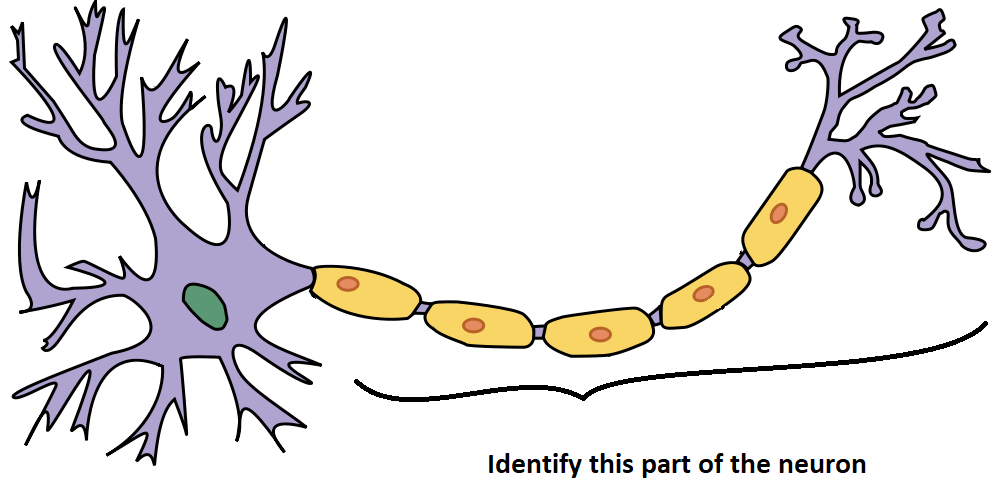
7.
a)

Nucleus

b)

Cell Body

c)

Axon

d)

Node of Ranvier

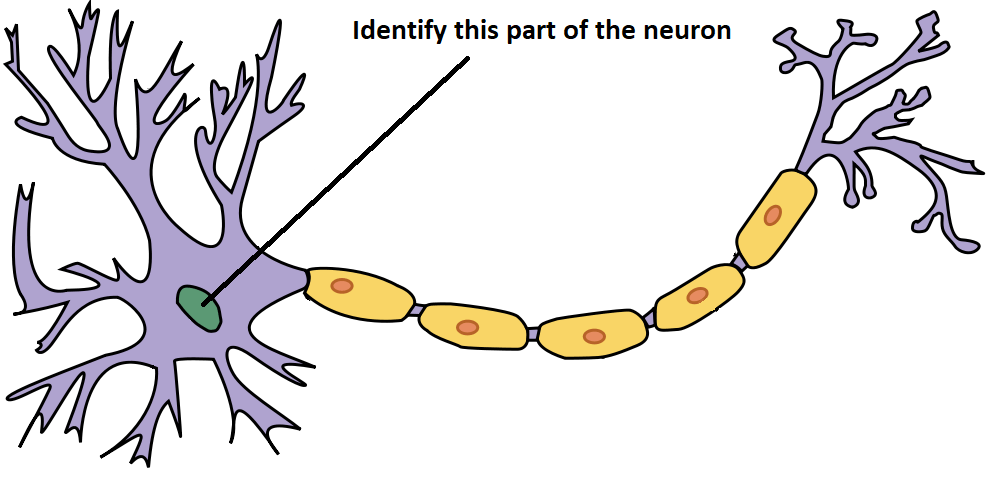
8.
a)

Nucleus

b)

Cell Body

c)

Axon

d)

Node of Ranvier

9.
a)

Nucleus

b)

Cell Body

c)

Axon

d)

Node of Ranvier

10.

What do Dendrites do?

a)

Intakes information from other neurons

b)

Produces fatty tissue for the Myelin Sheath

c)

Sends information to the next cell

d)

Controls the speed of electrical signal through the axon

11.
What is being identified with the tiny arrows?
a)
calcium channels
b)
neurotransmitters
c)
receptors
d)
vesicles
12.
This is composed of Sensory and Motor Neurons everywhere in the body EXCEPT brain and spinal cord
a)
Peripheral Nervous System
b)
Central Nervous System
13.
CNS
a)
Central Neck System
b)
Central Nervous System
c)
Central Nerve System
d)
Cranial Nervous System
14.
The central nervous consists of what?
a)
Brain and Spinal cord
b)
Spinal and Cranial Nerves
c)
Afferent and Efferent pathways
d)
Somatic and Autonomic nervous systems
15.

How would a damaged cerebellum affect the body?

a)

slow down the right side of the body

b)

slow down the right side of the body

c)

affect certain voluntary movements like walking or talking

16.

The Medulla Oblongata

a)

maintains involuntary body functions

b)

regulates vision

c)

regulates athletic abilities

17.

Receive and process incoming information.

a)

Dendrites

b)

Myelin sheaths

c)

Axons

d)

Neuron

18.

This is the main function of Myelin sheaths:

a)

To protect your nerve cells.

b)

To make connections with cells.

c)

To send information to one cell to another.

d)

To get information from the brain.

19.

Select (2) the statements that are true about the AXON

a)

Many of them are covered by myelin sheaths.

b)

The main function is to protect your nerve cells.

c)

An axon has many branches

20.

This is NOT a class of neuron:

a)

Motor neuron

b)

Interneuron

c)

Protection neuron

d)

Sensory neuron

21.

Motor neurons get information from other neurons and convey commands to your muscles, organs and glands.

a)

True

b)

False

22.

This kind of neuron is only found in Central Nervious System and transmit information to other neurons.

a)

Motor neuron

b)

Interneuron

c)

Sensory neuron

23.
What are different "halves" of your brain called?
a)
cerebellum
b)
cerebrum
c)
hemispheres
d)
brain stem
24.
This part helps you solve problems and make decisions.
a)
cerebrum
b)
thalamus
c)
hypothalamus
d)
cerebellum
25.
This part controls balance and coordination.
a)
thalamus
b)
hemisphere
c)
cerebellum
d)
cerebrum
26.
Controls automatic functions like breathing, heart rate, body temperature, wake and sleep cycles, etc.
a)
cerebrum
b)
cerebellum
c)
basal ganglia
d)
brainstem
27.
Chemicals in the neuron that help send messages
a)
dendrites
b)
neurotransmitters
c)
axon terminals
d)
vesicles
28.
What is NOT part of the peripheral nervous system (PNS)?
a)
axons
b)
sensory receptors
c)
spinal cord
d)
motor neurons