
 Worksheets
Art Elements, Principles of Design, etc...
Total questions: 70
Worksheet time: 38mins

What element of art is being represented by this picture?
Color
Shape
Line
Form

What element of art is being represented by this picture?
Color
Shape
Line
Form
Line, color, value, texture, shape, form, and space are considered...
elements of art
principles of design
Balance, pattern, movement, emphasis, rhythm, unity, and contrast are considered...
principles of design
elements of art

What element of art is being represented by this picture?
Color
Shape
Line
Form

What element of art is being represented by this picture?
Color
Shape
Line
Form

What element of art is being represented by this picture?
Texture
Space
Value

What element of art is being represented by this picture?
Texture
Space
Value

What element of art is being represented by this picture?
Texture
Space
Value

Mark(s) made on a surface by a moving point.
Line
Shape
Texture
Space

What are the two types of shapes?
primary and secondary
long and short
lightness and darkness
geometric and organic

What is the degree and qualities of lightness or darkness in an artwork?
line
value
space
texture

What is the feel or appearance of a surface, especially how rough or smooth it is ?
texture
line
form
color

What is the enclosed area of two-dimensional space that is defined by its external edge called?
shape
line
color
texture

The distance or area between, around, above, below, or within things in an artwork is called?
From
Space
Texture
Shape

What type of space is this picture an example of?
Perspective
Overlapping
Positive and Negative

What are the primary colors?
Purple, Green, and Orange
Red, Blue, and Yellow
Baby blue, Pink, and Lime Green
Red-orange, Yellow-green, and Blue-green

This element refers to the three-dimensional quality/qualities of an artwork (length, width, and depth)
Shape
Line
Form
Value
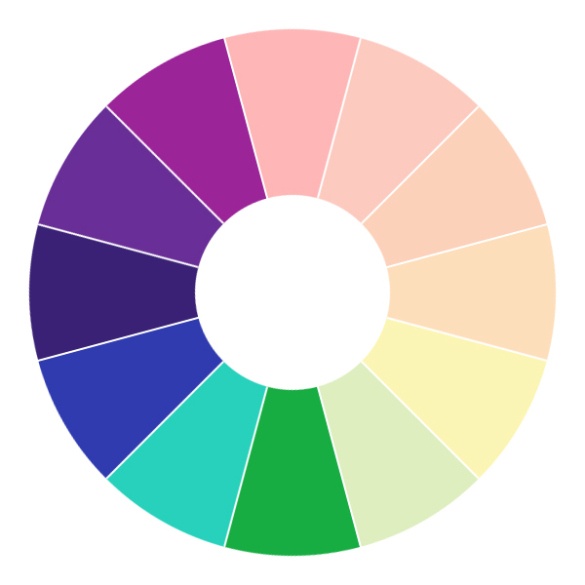
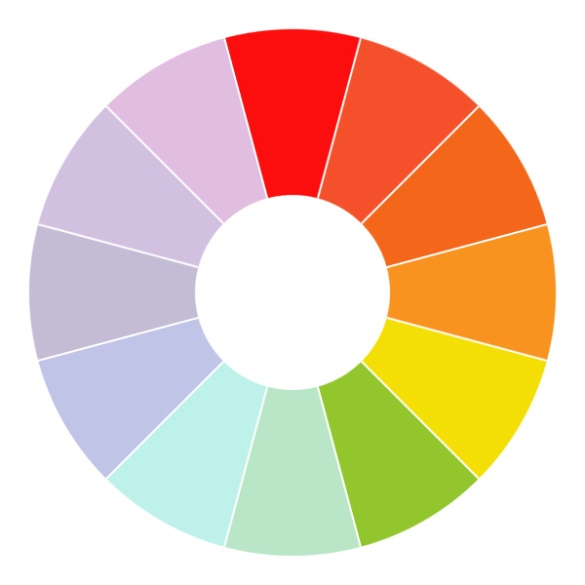
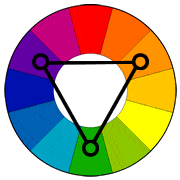
Three colors equally spaced on color wheel?
Analogous Colors
Triadic
Monochromatic Colors
Primary Colors
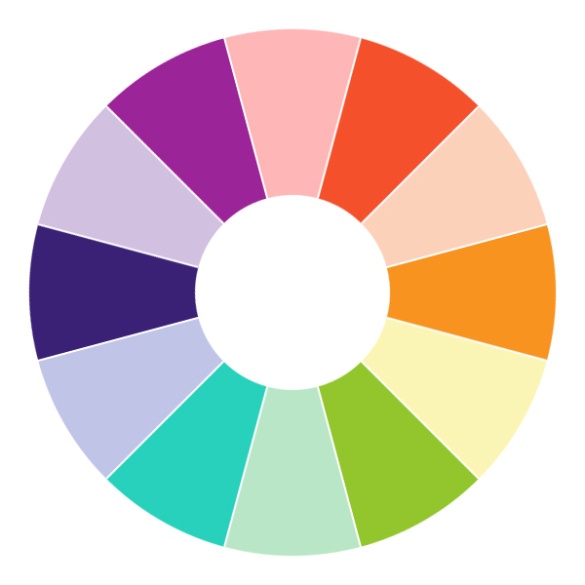
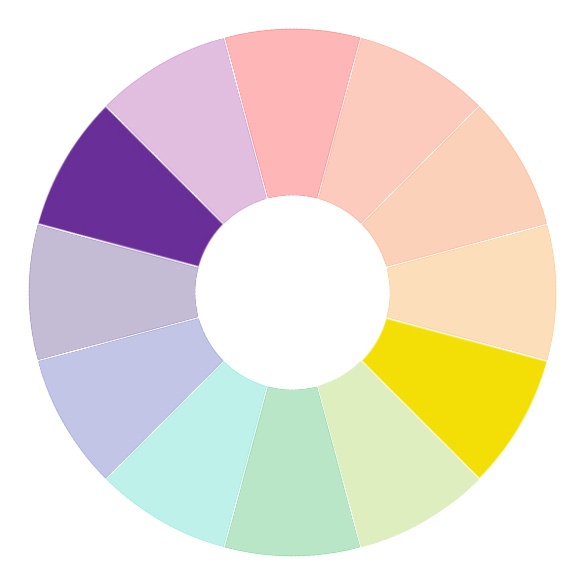


What color scheme is used for this portrait?
monochromatic
analogous
complementary
triadic


This Principle of Design is used to produce the look of action or to cause the viewer’s eye to sweep over the artwork in a certain manner.
Movement
Repetition
Unity
Emphasis

The Principle of Design is a way of combining art elements so that the same elements are used over and over to achieve balance and harmony.
Pattern
Repetition
Variety
Rhythm

This Principle of Design is the relationship in size of one component of a work of at to another.. It can refer to the size of the head in relationship to the rest of the body, for instance.
Proportion
Emphasis
Rhythm
Variety

This Principle of Design is the repeating of an object or symbol all over the work of art.
Balance
Emphasis
Repetition
Pattern

This Principle of Design is a way of combining art elements so that the same elements are used over and over to achieve balance and harmony.
Repetition
Variety
Rhythm
Proportion

This Principle of Design is the visual equalization of the elements in a work of art. Symmetrical, asymmetrical, radial are examples of this principle.
Movement
Emphasis
Pattern
Balance

This Principle of Design is the feeling of harmony between all parts of the work of art, which creates a sense of wholeness or oneness.
Balance
Repetition
Rhythm
Unity

This principle of design refers to the arrangement of opposite elements (light vs. dark colors, etc.) in a piece of art so as to create visual interest, excitement and drama.
Unity
Rhythm
Balance
Contrast

a way of combining art elements in involved ways to achieve intricate and complex relationships for visual interest.
Variety
Emphasis
Shape
Value
Refers to the material which is used by an artist.
Base
Tool
Technique
Medium
Which media is used in 2D Artwork?
Pencil
Wood
Metal
Clay
Which media is used in 3D Artwork?
Pencil
Wood
Crayon
Paint
Which media is not used in 3D Artwork?
Metal
Wood
Oil Paint
Glass
Which media is not used in 2D Artwork?
Pastels
Fiber
Chalk
Clay

What type of artwork is shown above?
2D
3D

What type of artwork is shown above?
2D
3D

What type of artwork is shown above?
2D
3D

What type of artwork is shown above?
2D
3D
Which Process is used in 2D artwork
Sculpture
Drawing
Carving
Pottery Making
Which Process is used in 3D artwork
Painting
Drawing
Wood Construction

What Process was used to make this 2D artwork
Sculpture
Drawing
Carving
Painting

What Process was used to make this 3D artwork
Carving
Drawing
Painting
Pottery Making
Which Subject Matter is a representational artwork?
Abstract
Landscape
Non-Objective
Which Subject Matter is a nonrepresentational artwork?
Abstract
Landscape
Portrait
Still Life

What Subject Matter is this artwork depicting?
Abstract
Landscape
Portrait
Still Life

What Subject Matter is this artwork depicting?
Abstract
Landscape
Portrait
Still Life

What Subject Matter is this artwork depicting?
Abstract
Landscape
Portrait
Still Life

What Subject Matter is this artwork depicting?
Abstract
Landscape
Portrait
Still Life

This artwork illustrates this purpose of art:
Artistic Expression
Narrative
Functional
Persuasive
Ceremonial

This artwork illustrates this purpose of art:
Artistic Expression
Narrative
Persuasive
Ceremonial
Functional

This artwork illustrates this purpose of art:
Artistic Expression
Narrative
Persuasive
Functional
Ceremonial

This artwork illustrates this purpose of art:
Artistic Expression
Narrative
Persuasive
Functional
Ceremonial

This artwork illustrates this purpose of art:
Persuasive
Artistic Expression
Narrative
Functional
Ceremonial

This purpose of art is to communicate or express emotions, ideas or feelings:
Functional
Artistic Expression
Persuasive
Narrative
Ceremonial

This purpose of art is to create objects used in everyday life:
Artistic Expression
Narrative
Persuasive
Functional
Ceremonial

This purpose of art is to observe ritual, celebration or commemoration:
Artistic Expression
Persuasive
Narrative
Functional
Ceremonial

This purpose of art is to promote ideas or products for advertising, marketing, propaganda, or ideology:
Artistic Expression
Narrative
Persuasive
Functional
Ceremonial

This purpose of art is to tell stories, describe/illustrate experiences, document historical events:
Artistic Expression
Narrative
Functional
Persuasive
Ceremonial

This purpose of art is to primarily concerned with the organization of the elements of art
Artistic Expression
Narrative
Functional
Persuasive
Formalist

This artwork illustrates this purpose of art:
Persuasive
Formalist
Narrative
Functional
Ceremonial

What Subject Matter is this artwork depicting?
Non-Objective
Landscape
Portrait
Still Life

