
 Worksheets
STIMULI AND RESPONSES IN HUMAN
Total questions: 28
Worksheet time: 14mins

Human nervous system. Label A.
Brain
Spinal cord
Cranial nerves
Spinal nerves

Human nervous system. What is C?
Brain
Spinal nerves
Cranial nerves
Spinal cord
The human nervous system is able to detect ______________.
rsponses
stimuli
impulses
information

Voluntary actions are taken under _________________ control.
conscious
unconscious
semi-conscious
caution
Involuntary actions are taken under _________________ control.
conscious
unconscious
semi-conscious
caution
Example of involuntary action is ____________________.
reading
talking
breathing
writing
Which one below is CORRECT in describing voluntary action?
Affector > brain > effector > response
Affector > effector > response
Affector > effector > spinal cord > response
Effector > Affector > spinal cord > response

In an experiment, when a torch is shined towards a student's eye, the pupil will become smaller.
Explain the sequence on the pathway of this impulse?
Affector > brain > effector > response
Affector > brain > effector
Affector > effector > response
Affector > effector > spinal cord > response

What is the response in the above activity?
catching the ruler
voluntary action
release the ruler
involuntary action
The above experiment shows ______________ action and is done _________________.
voluntary, consciously
voluntary, unconsciously
involuntary, consciously
involuntary, unconsciously
Response is very important in our lives so that we can _____________________.
coordinate our brain during certain time only.
coordinate and control body organs to function efficiently in the time required.
coordinate study, resting and sleeping time.
to protect ourselves from harms.
A damaged nervous system can cause a person to ____________________.
become disabled
face difficulties in life
have problem in breathing
become partially or completely paralysed
A stimulus is ___________
a change in an organisms surroundings.
process in which organisms grow larger.
a reaction to a change in surroundings
tropism
what is an effector ?
also known as nerve impulse
part of body that carry out response example muscle and gland
organ or cell that respond to stimuli example eyes and skin
the signal that travel along the nerve cell
What kind of receptors in the eye?
mechano...
chemo....
thermo...
photo....

Part of the eye that changes light into nerve impulse
Retina
Sclera
Iris
Aqueous Humor

Eye Problem where distant objects may be distorted or blurry
Astigmatism
long sightedness
short sightedness
Glaucoma
The smallest bones in the body, which transmit and amplify sound waves.
ossicles
cones
vestibule
retina
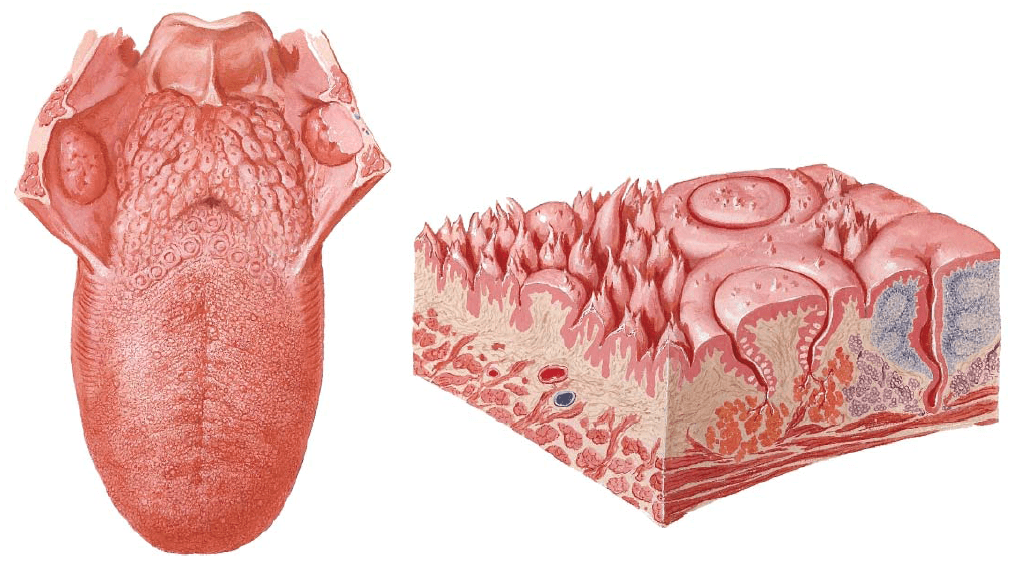
Small projections located on the tongue’s surface where taste buds are located are known as:
papillae
gustatory cells
olfactory epithelium
mucous producing glands
Which of these is a taste bud sensitive to meat flavoring?
sweet
salty
bitter
umami
Which of the following eye defects can be corrected by wearing suitable glasses?
(1) Astigmatism
(2) Short sight
(3) Long sight
(1) and (2) only
(1) and (3) only
(2) and (3) only
(1), (2) and (3)
What does the Eustachian tube do?
changes light into electrical messages
allows air to pass from the nose to the middle ear.
controls balance
creates wax to protect the ear from foreign invaders

What part of the ear is responsible for balance
Semicircular Canals
Vestibule
Cochlea
Auditory Nerve

Which of the following correctly describes how hearing aids work?
They directly stimulate the sensory cells in the cochlea.
They directly send signals to the brain.
They amplify the sound vibrations entering the ear.
They raise the pitch of sound entering the ear.

