
 Worksheets
SCIENCE F1 CHAPTER 3 AND 4
Total questions: 50
Worksheet time: 56mins
Which of the following systems involved in regulation of body temperature and water content?
I Endocrine
II Respiratory
III Digestive
IV Excretory
I and II
II and III
III and IV
I and IV
Which of the following animals only sweat on their paws?
I Cat
II Dog
III Bird
IV Crocodile
I and II
II and III
III and IV
I and IV
How do snails reduce water evaporation?
Produce fluid
Find dry place
Move to new plant
Get into its shell
What will happen to a lizard in a cold enviroment?
Move faster
Metabolism rate increases
Body temperature decreases
Body temperature rises
the following activities are usually done by humans in cold weather to raise body temperature. Choose the correct answer.
I Drinking water
II Reading books
III Covering up the body
IV Rubbing both hands
What will happen if homoestasis fails to happens?
All the functions of the cell will stop
All cells will wilt
Stop growing
The nervous system will not able to send impulse

Homeostasis
allows for a wildly fluctuating internal environment
is impossible in vertebrates
is the maintenance of a relatively stable internal environment and often incorporates a form of feedback regulation
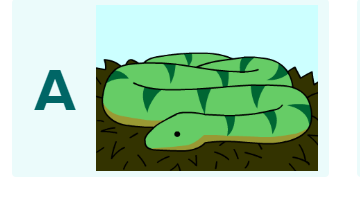
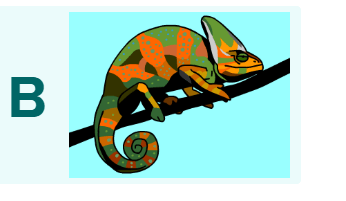
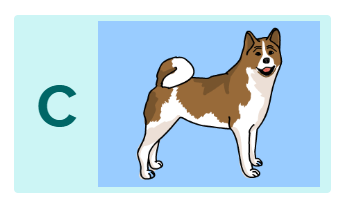
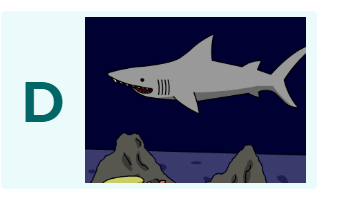
Which of the following animals has a body temperature that doesn't change depending on the weather outside?
What might happen if you didn't run a fever when you got sick?
You would recover much more quickly
Your body temperature would drop to dangerous levels
Your immune system would shut down
Your body wouldn't fight off the infection as efficiently as it could
You are growing a tomato plant in your house. Which of the following would the plant probably do to help maintain homeostasis?
Grow away from the light coming from the window
Grow toward the light coming from the window
Growth is not affected by the light coming from the window
A change inside of the organism caused by the initiation event is the ...
response
effector
control center
stimulus
Which part of the feedback loop is a body part that makes a change to bring the system back to homeostasis?
Effector
control center
response
receptor
What detects that the system is outside of homeostasis and adjustments need to be made?
effector
response
control center
stimulus
The body part that senses the change inside the organism ...
receptor
control center
effector
response
Identify the initiation event.
Scenario: A person begins to exercise which causes their body temperature to increase. The temperature change is noticed and the person begins to sweat and their body temperature decreases.
temperature change is noticed
person begins to sweat
body temperature decreases
person begins to exercise
Identify the response.
Scenario: A person begins to exercise which causes their body temperature to increase. The temperature change is noticed (sensed) and the person begins to sweat and their body temperature decreases.
the person begins to sweat
the person begins to exercise
change in temperature
body temperature increases
During reproduction, _________ are created.
offspring
parents
genes
gametes
Offspring created from a single parent.
asexual reproduction
sexual reproduction
Choose all that apply.
Asexually produced offspring are _____________.
identical to the parent
identical to each other
different than the parent
different than each other

Bacteria reproduce asexually by
binary fission
cell segregation
gamete fertilization
fragmentation

What type of asexual reproduction is shown?
budding
vegetative propagation
binary fission
pollination

What type of asexual reproduction is shown?
budding
vegetative propagation
binary fission
fragmentation

Vegetative propagation is a form of asexual reproduction of _____.
plants
fungi
animals
bacteria
Where does fertilisation happen?
Uterus
Ovary
Oviduct/Fallopian Tube
Urethra
What structure helps sperm swim?
Tail
Head
Mitochondria
Infinity Gauntlet

What is the name of the male gamete in humans?
Sperm
Ovum
Testis
Pollen

What is the name of the female gamete in humans?
Sperm
Zygote
Ovary
Ovum
Which animal undergoes external fertilisation?
Cat
Dog
Human
Frog

What type of fertilisation is occurring here?
Internal fertilisation
Internal reproduction
External fertilisation
External reproduction

What is the main disadvantage of asexual reproduction?
Clones being produced
No genetic variation so no chance of withstanding an environment change due to adaptation
Genetic variation
Only one parent needed so no need to put energy into finding a mate
This type of reproduction involves two parents.
Asexual reproduction
Sexual reproduction
Which answer choice is NOT a type of asexual reproduction?
budding
fragmentation
fertilization
binary fission
Which organisms reproduce by binary fission where one single cell splits into two identical cells?
starfish and flatworm
giraffe and zebra
bacteria and amoeba
spider plant and strawberry plant

Amoeba use mitosis and produce two offspring that are identical to the parent. This is an example of...
budding.
binary fission.
regeneration.
parthenogenesis.
Sexual reproduction requires ______ parent(s) and asexual reproduction requires ______ parent(s).
one, one
two, two
two, one
one, two
Pollen grains are produced by ?
the anther
the stigma
the flowers
the leaves
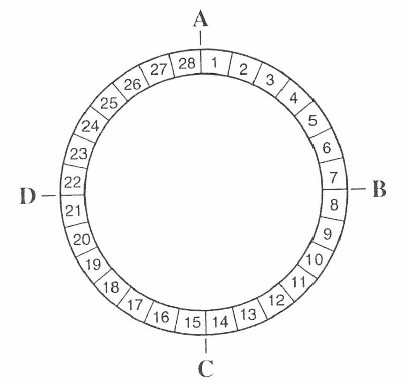
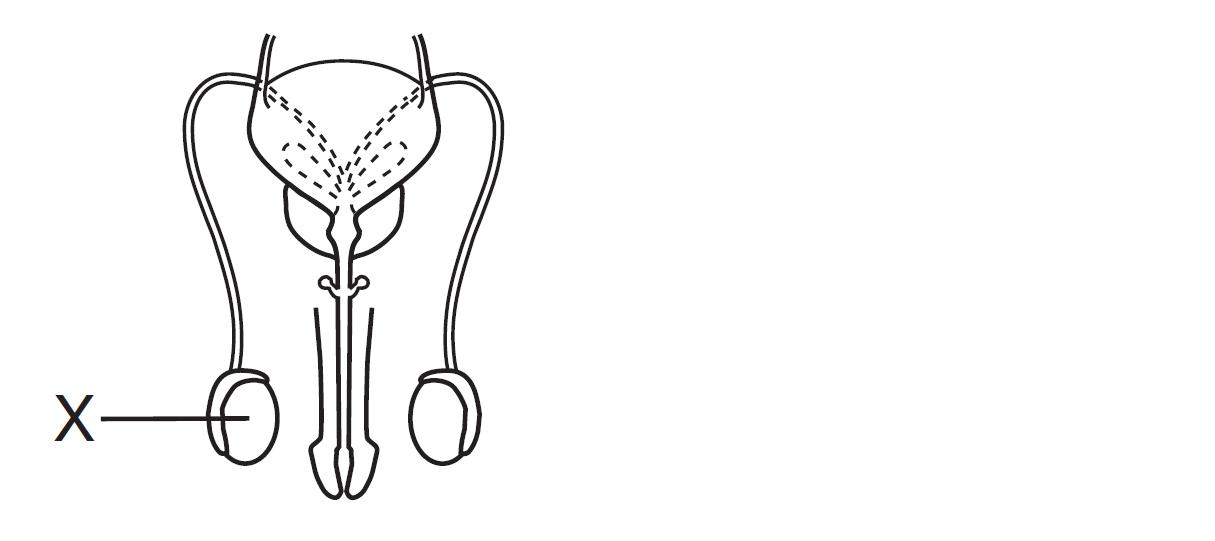
The diagram below represents a system in the human body. The function of structure X is to _____________
produce energy needed for sperm to move
provide food for the sperm to carry to the egg
produce and store urine
produce sperms and male sex hormones
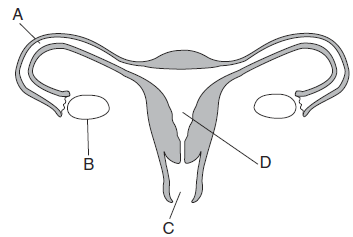
The human female reproductive system is represented below. Where will the embryo attach itself after fertilization?
A
B
C
D
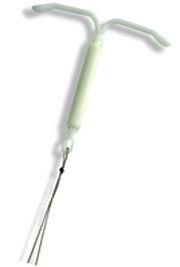
Which type of birth control is pictured here?
Diaphragm
Intra-uterine Device (IUD)
Condom
Contraceptive pill
What is Birth Control?
Pills that prevent STD
A method of preventing pregnancy
Sexually Transmitted Disease
Getting impregnated
What does IVF stand for?
In vitro fertilisation
Insert viable foetus
Internal variable fertilisation
Internal vitro fertilisation

